
Seeing the "Unfortunately, the keyboard has stopped" error pop up on your Galaxy Tab S10+ can really halt your productivity. This is a common Android glitch, but there are several straightforward ways to get your typing back on track.
Restart the Keyboard App
Force stopping the keyboard app is the quickest fix and often works immediately. It clears out any temporary hiccup the app is having. Go to Settings > Apps.
You might need to tap the three-dot menu and select Show system apps to find it. Look for Samsung Keyboard or Android Keyboard (AOSP) and tap on it.
On the app info screen, tap Force Stop and confirm. Exit Settings and try opening an app that uses the keyboard, like Notes or your browser.
Clear the Keyboard's Cache and Data
Corrupted temporary files can cause the keyboard to crash. Clearing the cache is safe, but clearing data will reset the keyboard to its default settings, so you'll lose any custom dictionaries or layouts.
Go back into Settings > Apps and find your keyboard app again. This time, tap on Storage. Tap Clear Cache first, then Clear Data and confirm.
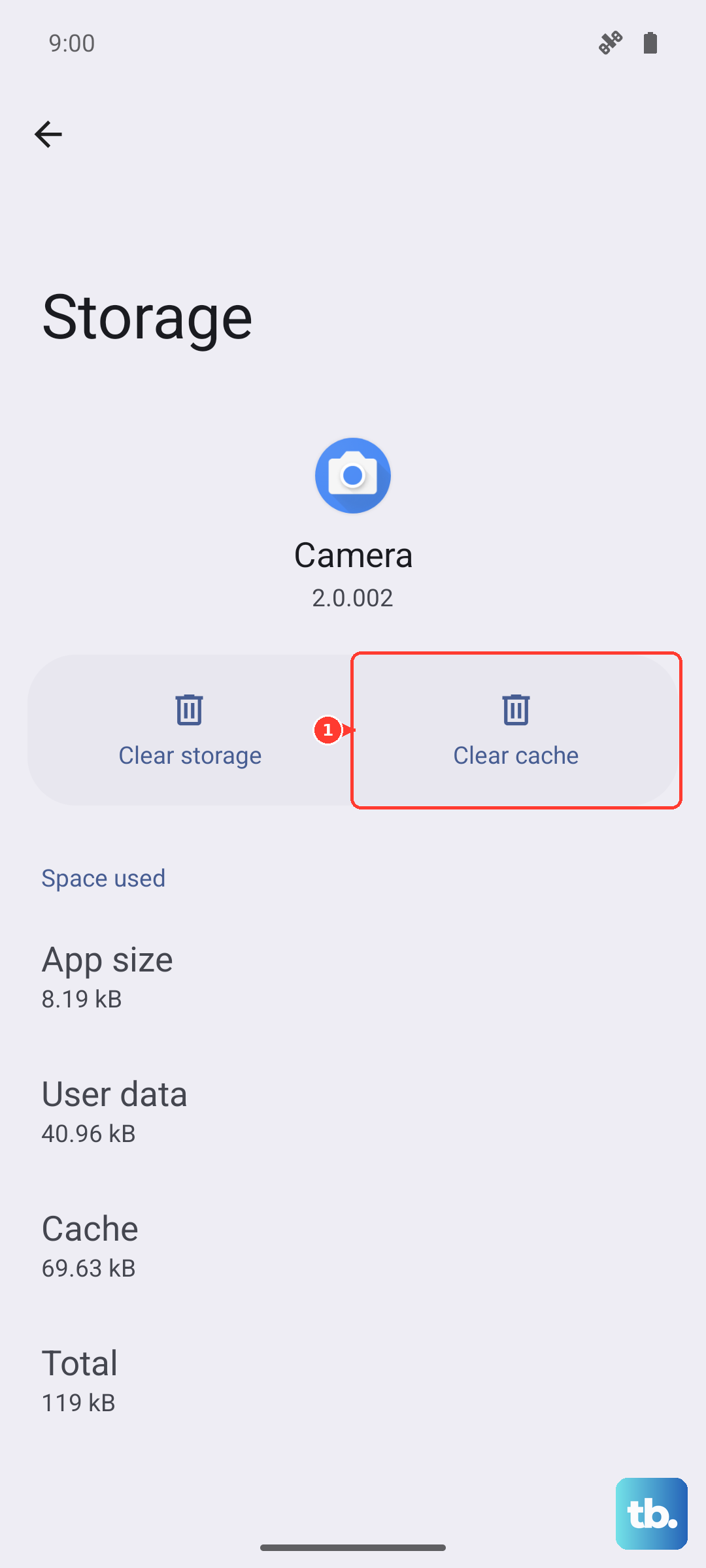
After doing this, I'd give your tablet a quick restart using the power menu to let the changes settle in properly.
Update Your Keyboard and Apps
An outdated keyboard app can have bugs that newer system updates expose. Open the Google Play Store, tap your profile icon, and go to Manage apps & device.
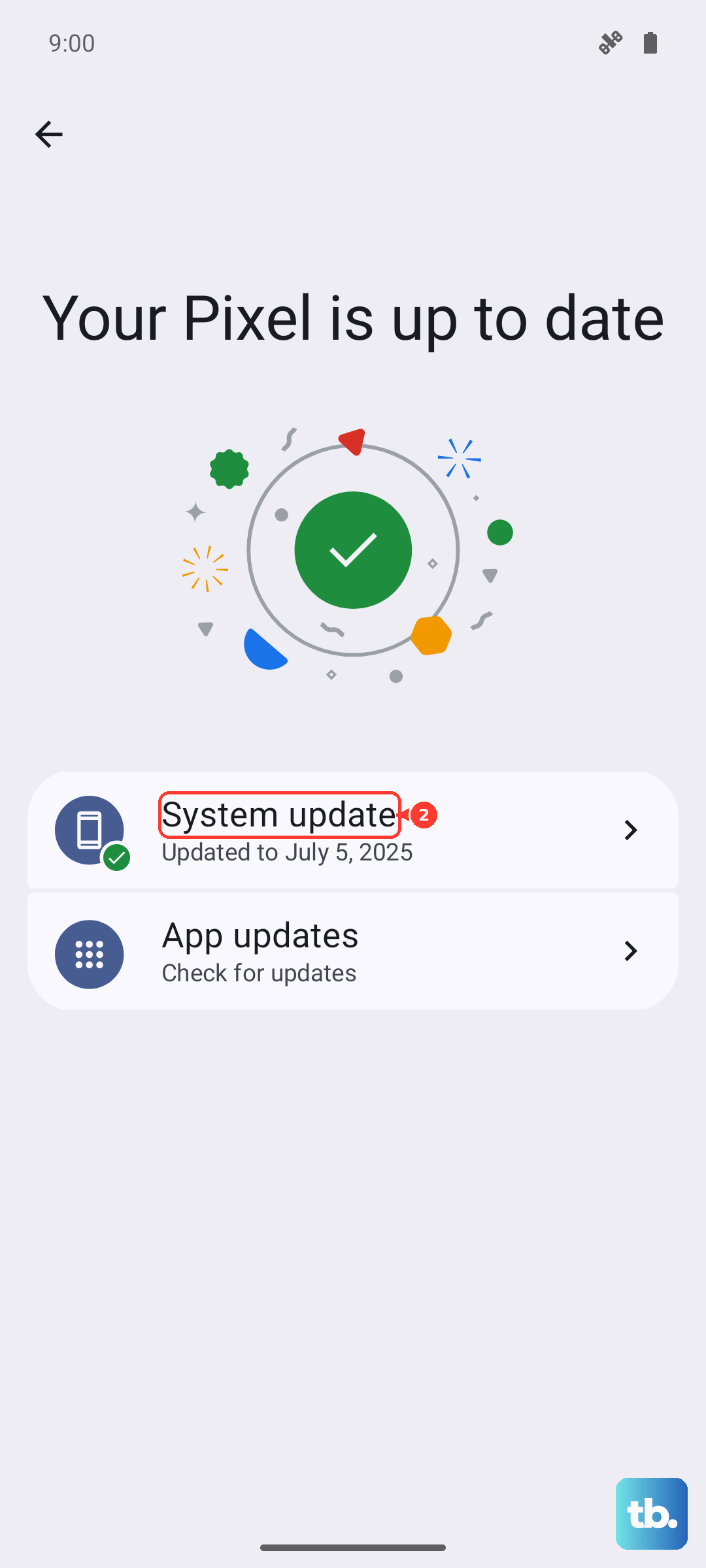
Under "Updates available," see if Samsung Keyboard or any other keyboard app you use is listed. If it is, tap Update. It's also a good idea to check for system updates while you're at it.
Go to Settings > Software update and tap Download and install. The Dimensity chip in the S10+ is powerful, but software harmony is key.
Reset Your Keyboard Settings
If you've changed a lot of settings, something might have gotten misconfigured. You can reset just the keyboard without affecting anything else on your tablet.
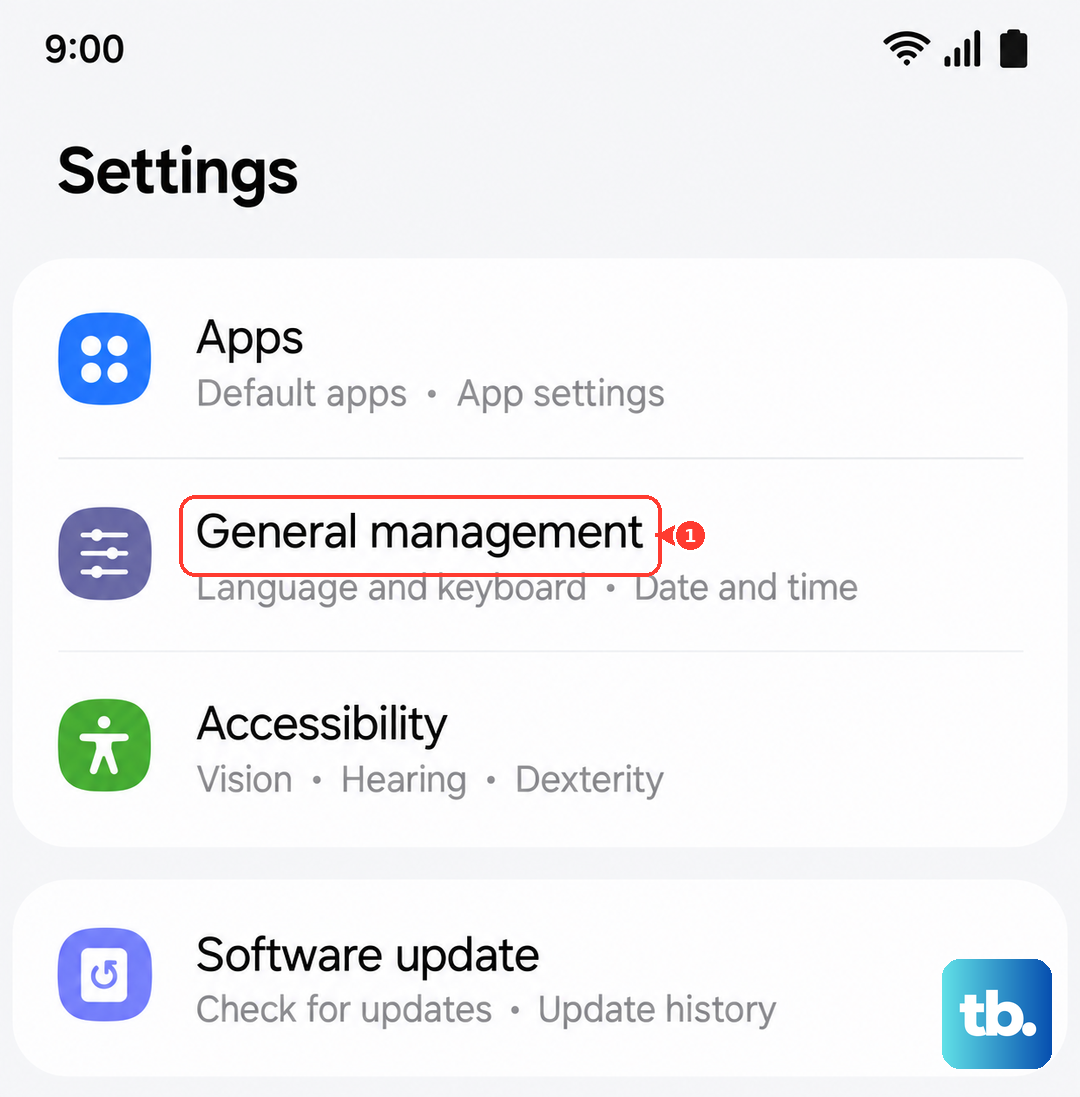
Navigate to Settings > General management > Language and input. Tap on On-screen keyboard and then select Samsung Keyboard.
Scroll down and tap Reset to default settings. This will wipe your personal dictionary and layout preferences, but it often resolves persistent crashing.
Check the Dictionary App
The dictionary provider works hand-in-hand with your keyboard for predictions and corrections. If its data is corrupt, it can cause issues.
Go to Settings > Apps, show system apps, and look for Dictionary or Dictionary Provider. Tap on it, go to Storage, and hit Clear Cache and Clear Data.
Try a Different Keyboard App
As a workaround, installing a third-party keyboard from the Play Store can get you typing again immediately. Popular options like Gboard or SwiftKey are great alternatives.
Once installed, you'll need to enable it. Go to Settings > General management > Language and input > On-screen keyboard and toggle on your new keyboard. You can then tap Default keyboard to switch to it.
Boot Into Safe Mode
If the keyboard only fails in certain apps or started after you installed something new, a third-party app might be the culprit. Booting into Safe Mode temporarily disables all downloaded apps.
Press and hold the power button until the power menu appears. Tap and hold the Power off option until you see a prompt to reboot to Safe Mode. Tap it.
If the keyboard works perfectly in Safe Mode, you know a downloaded app is causing conflict. Start by uninstalling apps you added around the time the problem began.
Reset All Settings
This is a broader step that resets all your system settings, like network, sound, and display, back to factory defaults without touching your personal data or apps. It can fix deeper configuration conflicts.
Go to Settings > General management > Reset. Select Reset all settings and enter your PIN if prompted. Your tablet will restart, and you'll need to reconfigure things like Wi-Fi and wallpapers, but your files will be safe.
Perform a Force Restart
Sometimes, a deeper system refresh is needed beyond a standard reboot. A force restart can clear more temporary system glitches that might be affecting input services.
Press and hold the Volume Down button and the Power button simultaneously for about 10 seconds. Release when you see the Samsung logo, and let the tablet boot up normally. This is different from just tapping "Restart" and can resolve stubborn issues.