
When your Samsung Galaxy Tab S10+ stops syncing email, it can leave you feeling disconnected, especially if you rely on it for work or communication. The problem could be with the Samsung Email app, your Gmail app, your account settings, or even a temporary glitch in One UI. I'd start by checking the basics, as that solves most issues.
First, make sure your tablet has a solid internet connection, either through Wi-Fi or mobile data. It's also worth a quick check on your email provider's status page or social media to see if they're reporting any widespread outages. Finally, double-check that you're using the correct email address and password.
Restart the Email App
A simple app restart can clear out temporary glitches that might be preventing emails from sending or receiving. Swipe up from the bottom of the screen and hold to enter the recent apps view. Find your email app, whether it's Samsung Email or Gmail, and swipe it all the way up to close it. Wait a few seconds, then tap the app icon to reopen it and see if your emails start flowing.
Check Your Sync and Fetch Settings
Your tablet's sync settings control how often it checks for new emails. If these are set too infrequently or are turned off, you won't get new messages automatically. Open the Samsung Email app, tap the three-line menu icon, and go to Settings. Select your email account and look for an option like Sync settings or Email check frequency.
Make sure sync is turned on and set to a frequent interval, like "Every 15 minutes" or "Push" if your provider supports it. In the Gmail app, you can manage sync by going to Settings > Your account and ensuring "Sync Gmail" is enabled. This ensures the app can check for new data in the background.
Toggle Airplane Mode
Airplane mode resets all your tablet's wireless radios at once, which can clear up transient network problems. Swipe down twice from the top of your screen to open the full Quick Settings panel. Tap the Airplane mode icon to turn it on, then wait about 15 seconds. Tap the icon again to turn it back off. Your tablet will reconnect to Wi-Fi and mobile data, which often resolves connectivity-related email stalls.
Switch Between Wi-Fi and Mobile Data
Sometimes the issue is isolated to one type of network. If you're on Wi-Fi and emails aren't working, try turning Wi-Fi off to force the tablet to use mobile data. You can do this from the Quick Settings panel. If the problem goes away, the issue is likely with your Wi-Fi network or router. Conversely, if you're only using mobile data, try connecting to a trusted Wi-Fi network to test if the cellular connection is the problem.
Verify Your Email Account Password
Passwords can expire or be changed from another device, which will break the connection on your tablet. The easiest way to check is to open a web browser on your tablet and try to log into your email account's webmail interface (like mail.google.com or outlook.com). If you can't log in there, you'll need to reset your password with your email provider.
Once you have the new password, you'll need to update it on your tablet. Go to Settings > Accounts and backup > Manage accounts. Select your email account and look for an option to update the password or re-authenticate. You may be prompted to sign in again.
Clear the Email App's Cache and Data
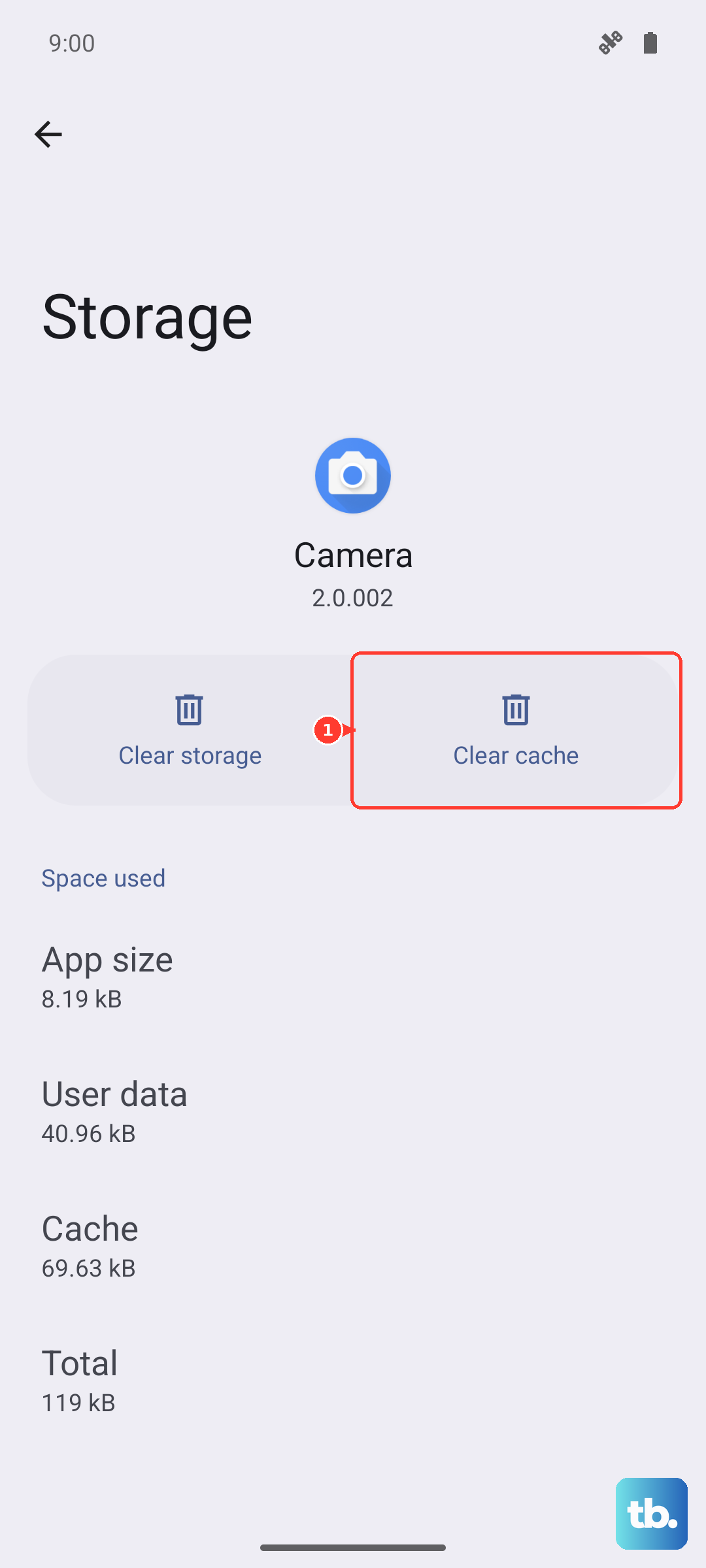
Corrupted app cache or data can cause all sorts of strange behavior. Clearing it is safe and won't delete your emails from the server, though you may need to sign back into the app. Go to Settings > Apps. Find and tap on your email app (e.g., "Samsung Email" or "Gmail"). Select Storage and then tap Clear cache first. If the problem persists, you can go back and tap Clear data. This will reset the app to its default state, so you'll have to set up your account again.
Check for App and System Updates
Outdated software often contains bugs that get fixed in later updates. First, check for app updates. Open the Google Play Store, tap your profile icon, and go to Manage apps & device > Updates available. See if there's an update for your email app or for "Android System WebView," which is a critical component for many apps.
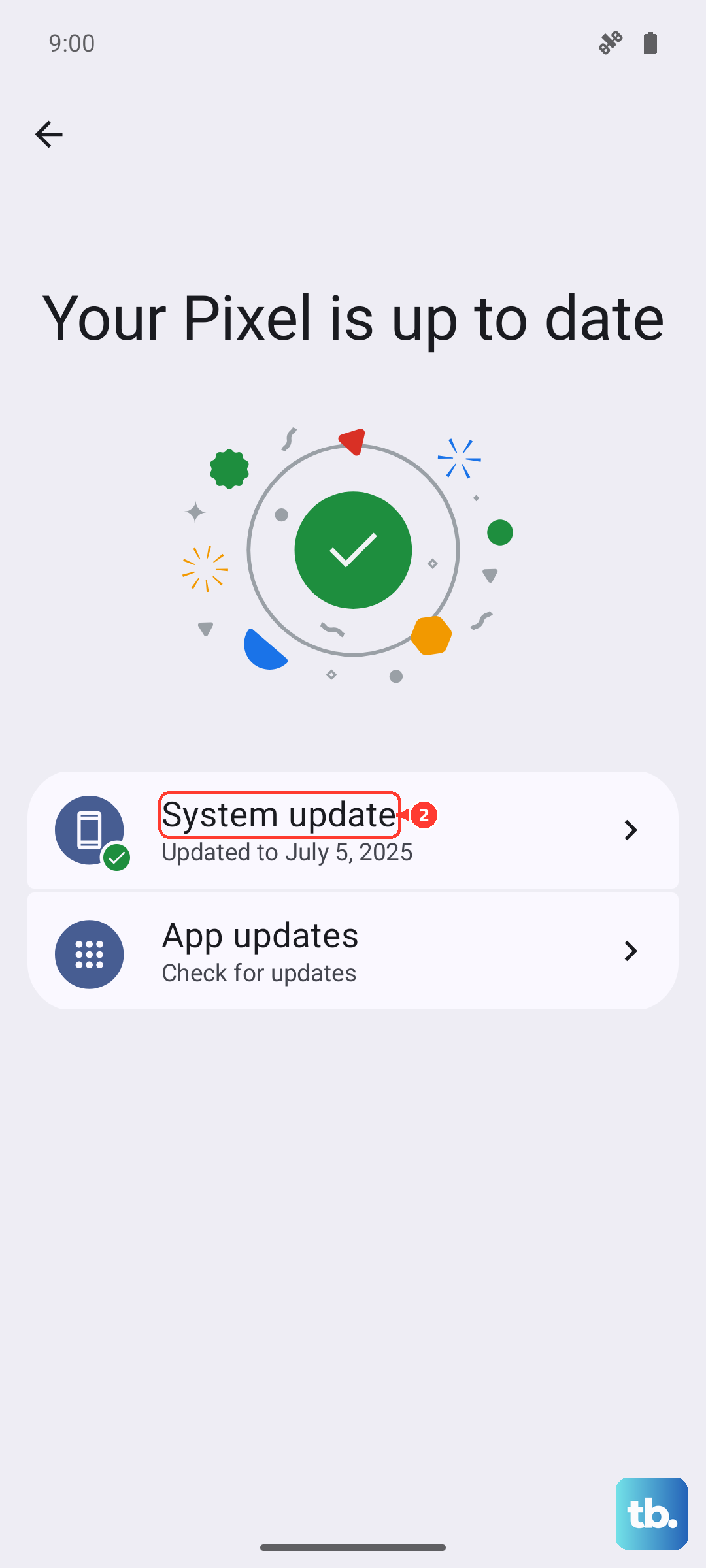
Next, check for a full system update. Go to Settings > Software update > Download and install. If an update is available, installing it can resolve underlying system issues affecting email and other apps. Make sure your tablet is connected to Wi-Fi and has at least a 50% charge before starting.
Disable Battery Optimization for the Email App
Android's battery optimization can sometimes be too aggressive, preventing apps from syncing in the background. To ensure your email app can run freely, go to Settings > Apps. Select your email app, then tap Battery. You'll likely see an option for "Optimize battery usage." Tap it, change the dropdown at the top from "Apps not optimized" to "All," find your email app in the list, and make sure the toggle is turned OFF. This tells the system not to restrict the app's background activity.
Remove and Re-add Your Email Account
This is a more thorough reset that can fix account-specific configuration errors. Go to Settings > Accounts and backup > Manage accounts. Tap on the problematic email account, then tap Remove account at the bottom. Confirm the removal. Don't worry, this only removes the account from your tablet, not from the email service itself.
After removing it, go back and add the account again. You can usually do this through the Samsung Email app or directly in Settings under "Accounts and backup." Follow the prompts to sign in. This fresh setup often resolves sync issues that built up over time.
Force Restart Your Galaxy Tab S10+
A force restart is different from a normal power off and on. It clears the device's working memory and can fix deeper software freezes. Press and hold the Volume Down button and the Power button simultaneously for about 10-12 seconds. Release the buttons when you see the Samsung logo appear on the screen. The tablet will reboot. This is a completely safe first step for many unexplained glitches.
Check Your Date and Time Settings
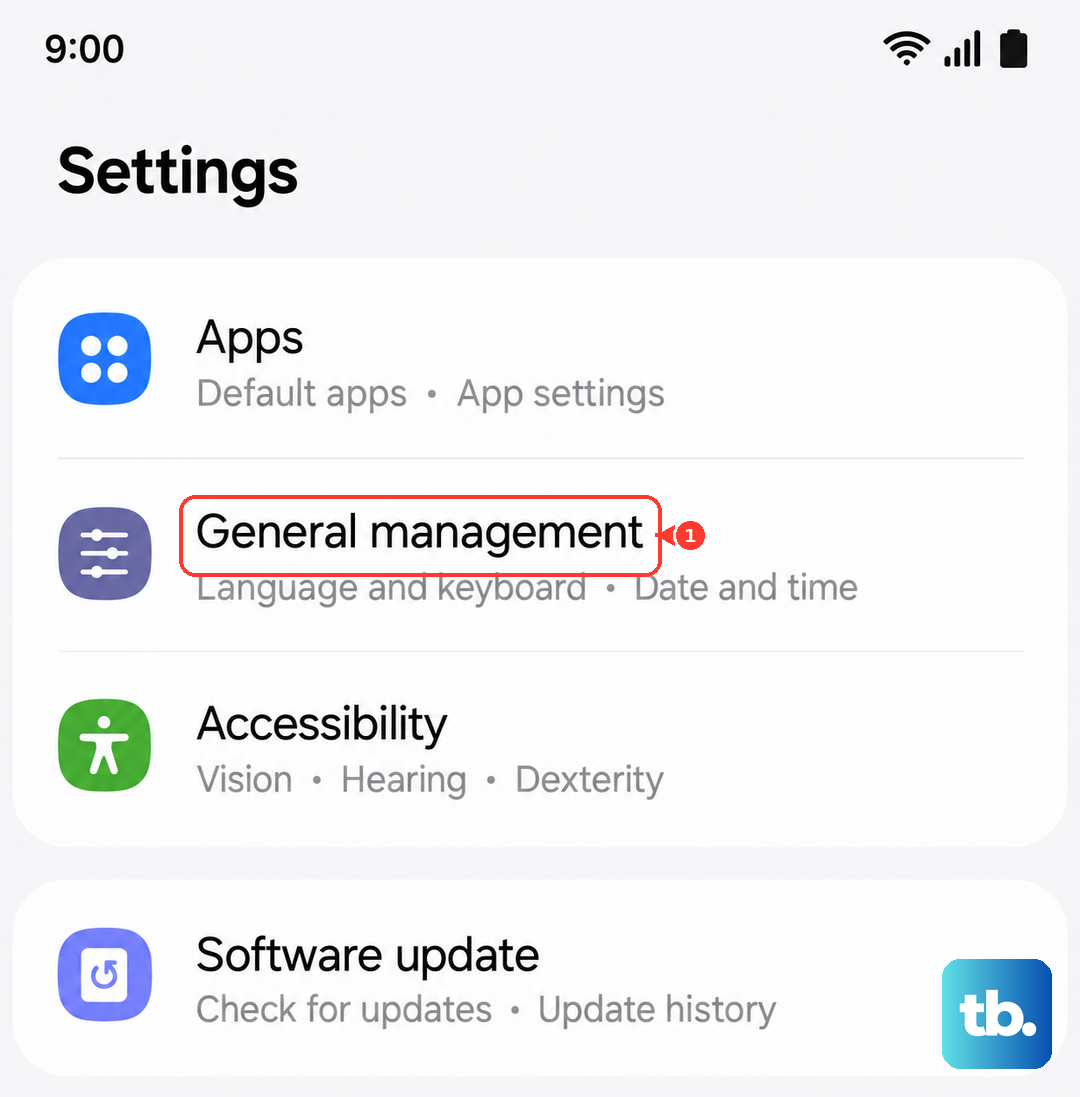
Incorrect date and time settings can interfere with secure connections to email servers. Your tablet needs to know the correct time to establish these connections. Go to Settings > General management > Date and time. Make sure the option for Automatic date and time is turned on. This allows your tablet to set the time via your network, ensuring it's always accurate.
Try a Third-Party Email App
If the problem seems isolated to the Samsung Email app, using a different app can be a great workaround while you figure out the root cause. Apps like Microsoft Outlook or Gmail (for Gmail accounts) are excellent alternatives. Download one from the Play Store, add your email account, and see if it syncs properly. If it does, the issue is specific to the Samsung app's configuration.
Review Your Notification Settings
If emails are arriving but you're not getting alerts, the notification settings might be muted. Go to Settings > Notifications > App notifications. Find your email app in the list and tap on it. Make sure notifications are turned "On." You can also tap on "Notification categories" to ensure that new message alerts are set to make a sound or pop up on your screen.
Reset All Network Settings
This step resets all network-related configurations back to factory defaults, including Wi-Fi, mobile data, and Bluetooth. It won't delete your personal data. Go to Settings > General management > Reset > Reset network settings. Tap to confirm. After the reset, you'll need to reconnect to your Wi-Fi networks and re-pair any Bluetooth devices, but it can resolve persistent and mysterious connection problems.