
Seeing a "No SIM" or "SIM card not detected" message on your Samsung Galaxy S24 can stop you from making calls or using mobile data. This is usually a temporary glitch you can fix yourself, often in just a few minutes.
I'd start with the simplest fix first, which is to restart your phone. A quick reboot clears out minor software hiccups that can confuse the SIM reader. Just press and hold the volume down button and the side button together for about ten seconds until you see the Samsung logo appear.
While you're waiting for it to restart, pull down the notification shade from the top of your screen. Look for the Airplane Mode icon and tap it to turn it on. Wait five seconds, then tap it again to turn it off. This forces your phone's modem to reconnect to the network from scratch.
Check Your SIM Card Settings
Sometimes the software can think the SIM is disabled. Open your Settings app and go to Connections. Tap on SIM manager to see the status of your SIM card. Make sure the toggle next to it is switched on.
If it's already on, try toggling it off and then back on. This simple action can refresh the connection between your phone's software and the physical SIM card. It's a quick step that often gets overlooked but solves the problem more often than you'd think.
Inspect and Clean the Physical SIM
If the software checks don't work, it's time to look at the hardware. First, power your Galaxy S24 off completely. Find the SIM ejector tool that came in the box (a paperclip works in a pinch) and gently push it into the small hole on the SIM tray.
Carefully pull the tray out and remove the SIM card. Hold it up to the light and look at the small gold contacts. You're looking for any visible scratches, dirt, or a white, powdery corrosion. Even a tiny bit of pocket lint can block the connection.
Gently wipe the gold contacts with a clean, dry microfiber cloth. Avoid using any liquids if you can. Blow a quick puff of air into the empty SIM slot on the phone to dislodge any dust. Then, reinsert the SIM card, making sure it's seated firmly and correctly in the tray, and push the tray back in until it clicks.
Update Your Phone's Software
Software bugs in One UI or Android can sometimes cause the SIM to stop being recognized. Samsung regularly releases updates that fix these kinds of issues. To check, go to Settings and scroll down to Software update.
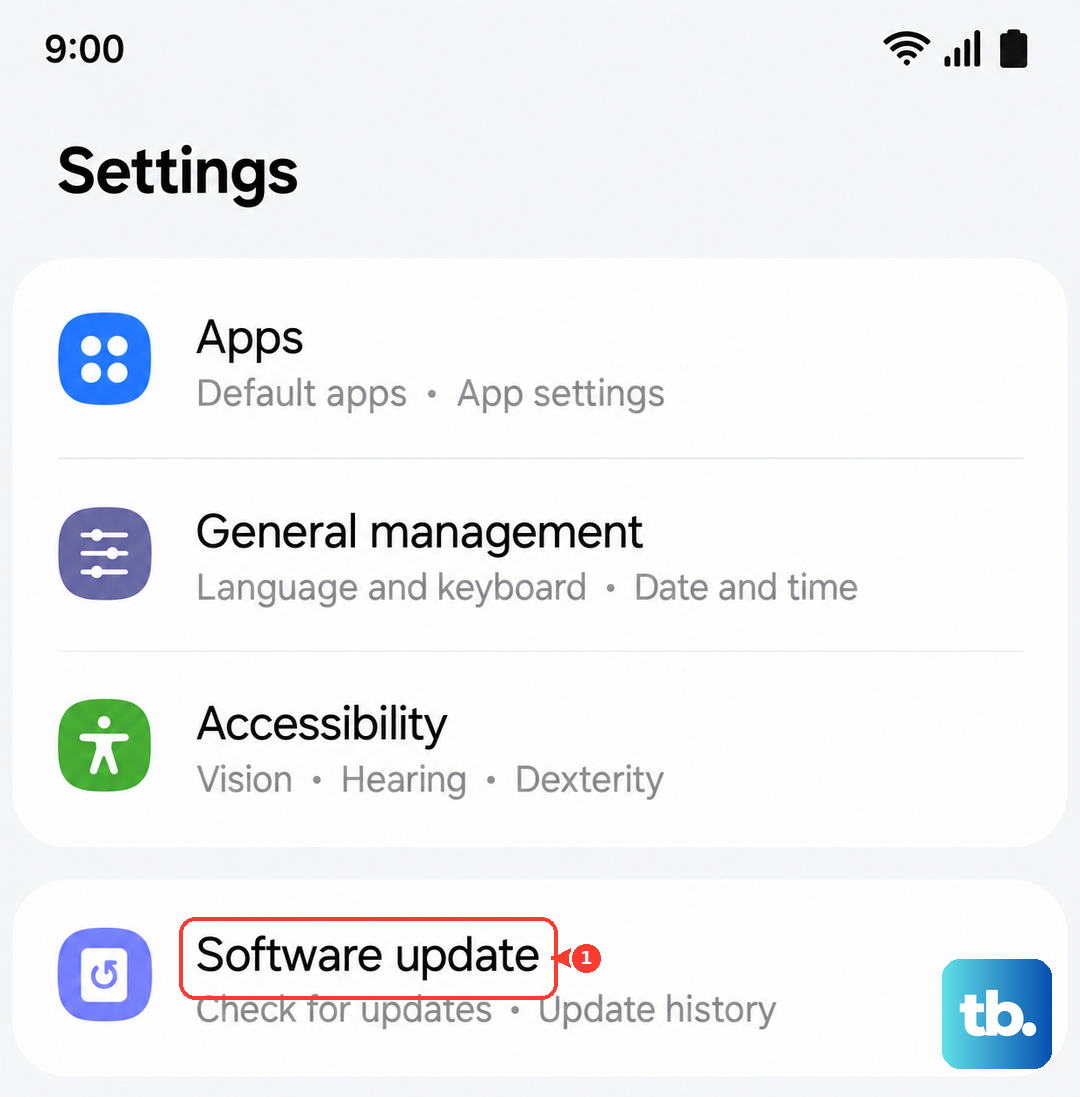
Tap on Download and install. If an update is available, let it download and install. Your phone will restart as part of this process. After it boots back up, check if your SIM is being detected. I've seen this resolve SIM issues that appeared after a previous update.
Reset Your Network Settings
This is a more thorough step that clears all your saved network configurations without touching your personal photos or apps. It will forget your Wi-Fi passwords and Bluetooth pairings, so be ready to re-enter those.
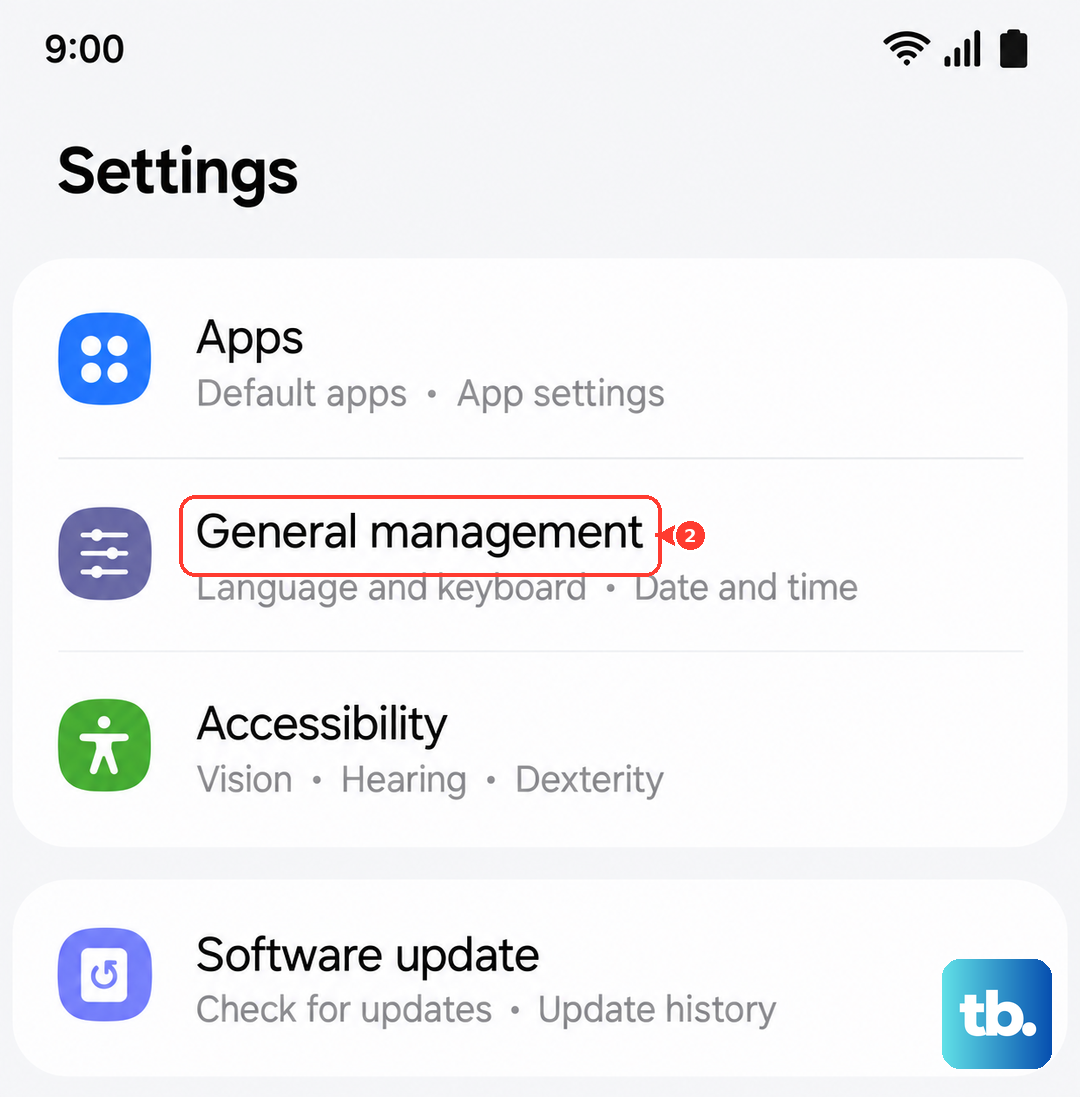
To do it, open Settings and go to General management. Scroll down and tap Reset. On the reset menu, select Reset network settings. You'll need to enter your PIN or password to confirm. This action resets your cellular, Wi-Fi, and Bluetooth settings back to factory defaults, which can clear up any corrupted data causing the "No SIM" error.
Clear the SIM Services Cache
System apps that manage your SIM card can accumulate corrupted cache data. You can clear this cache easily. Go to Settings, then Apps. Tap the three-dot menu in the top right and select Show system apps.
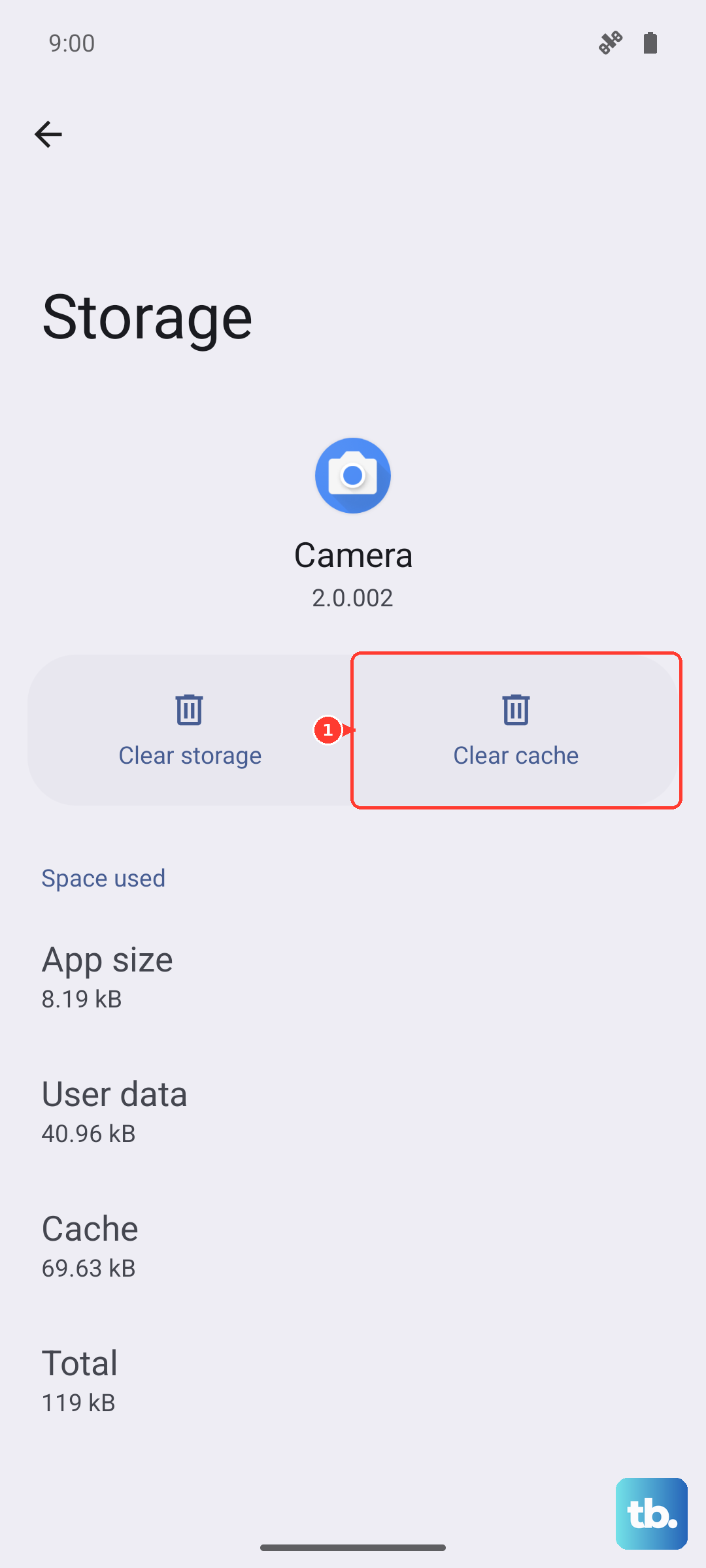
In the list, look for apps like SIM Toolkit or SIM services. Tap on one, then select Storage. Tap the Clear cache button. Do this for any SIM-related system apps you find. This doesn't delete any personal data, just temporary files that might be causing trouble.
Check Your Access Point Name (APN)
Incorrect APN settings can make it seem like your SIM isn't working, even though it's detected. These settings tell your phone how to connect to your carrier's data network. Go to Settings > Connections > Mobile networks > Access Point Names.
You should see a list of APNs. If the list is empty or looks wrong, tap the three dots in the top corner and select Reset to default. Your phone will often pull the correct settings from the SIM card itself. If you had to manually enter APN settings before, you may need to add them back in.
Try Manual Network Selection
Your phone usually searches for and connects to your carrier's network automatically. If that process is glitching, you can do it manually. Go to Settings > Connections > Mobile networks.
Tap on Network operators. Your phone will search for a moment. When a list appears, you should see your carrier's name. Select it from the list. This bypasses the automatic selection logic and forces a direct connection.
Consider Switching to an eSIM
The Galaxy S24 supports eSIM, which is a digital SIM profile downloaded to your phone. If your physical SIM tray or reader is having persistent issues, moving to an eSIM can be a great permanent solution. You'll need to contact your carrier's support to initiate the switch.
They can often help you convert your physical SIM to an eSIM over the phone or through their app. Once activated, your phone will use the digital profile, completely bypassing any potential problems with the physical SIM slot.
Test Your SIM in Another Phone
This is the definitive test to figure out where the problem lies. Power off another compatible phone, insert your S24's SIM card, and turn it on. If the other phone also shows "No SIM," then the issue is with the SIM card itself.
In that case, you'll need to contact your mobile carrier. They can check the SIM's status on their network and usually issue a replacement for free or a small fee. If the SIM works perfectly in another phone, then the issue is likely within your Galaxy S24, either with the software or the internal SIM reader hardware.