
Seeing a "No SIM card detected" or "Insert SIM card" message on your Realme GT 7 Pro can stop you from making calls or using mobile data right when you need it. This is usually a simple glitch you can fix yourself, often in just a few minutes.
I'd start with the most common fix, which is to simply restart your phone. Press and hold the power button until the restart menu appears, then tap restart. If your phone is completely frozen, you can force restart it by holding the power button down for about 10 seconds until you feel it vibrate and see the Realme logo.
Check the SIM Card Tray and Contacts
Since the GT 7 Pro has an IP69 rating for dust and water resistance, the SIM tray seal is very tight. Sometimes, a tiny piece of debris can get trapped when you insert it. Power the phone off completely, then use the included SIM ejector tool to pop out the tray.
Take out the SIM card and inspect the gold contacts. If you see any smudges or light corrosion, gently wipe them with a clean, dry microfiber cloth. Blow gently into the SIM card slot on the phone to dislodge any dust, then carefully reinsert the tray, making sure the SIM is seated correctly.
To rule out a faulty SIM card, try putting it into another phone. If it's not detected there either, you'll need to contact your carrier for a replacement. If it works in another device, the issue is with your GT 7 Pro.
Toggle Airplane Mode and Verify SIM Status
Swipe down from the top of your screen to open the Quick Settings panel. Tap the Airplane mode icon to turn it on, wait about 10 seconds, then tap it again to turn it off. This forces your phone's modem to re-establish a fresh connection with the network.
Next, check that the SIM is actually enabled in your settings. Go to Settings > Mobile network. You should see your SIM listed here. Make sure the toggle next to it is switched on. If you have a dual-SIM model, ensure the correct one is set for calls and data.
Update Your Software
Software bugs in Realme UI 6.0 or Android 15 can sometimes interfere with the modem. It's a good idea to check for any available system updates that might contain a fix. Go to Settings > About device > Software update.
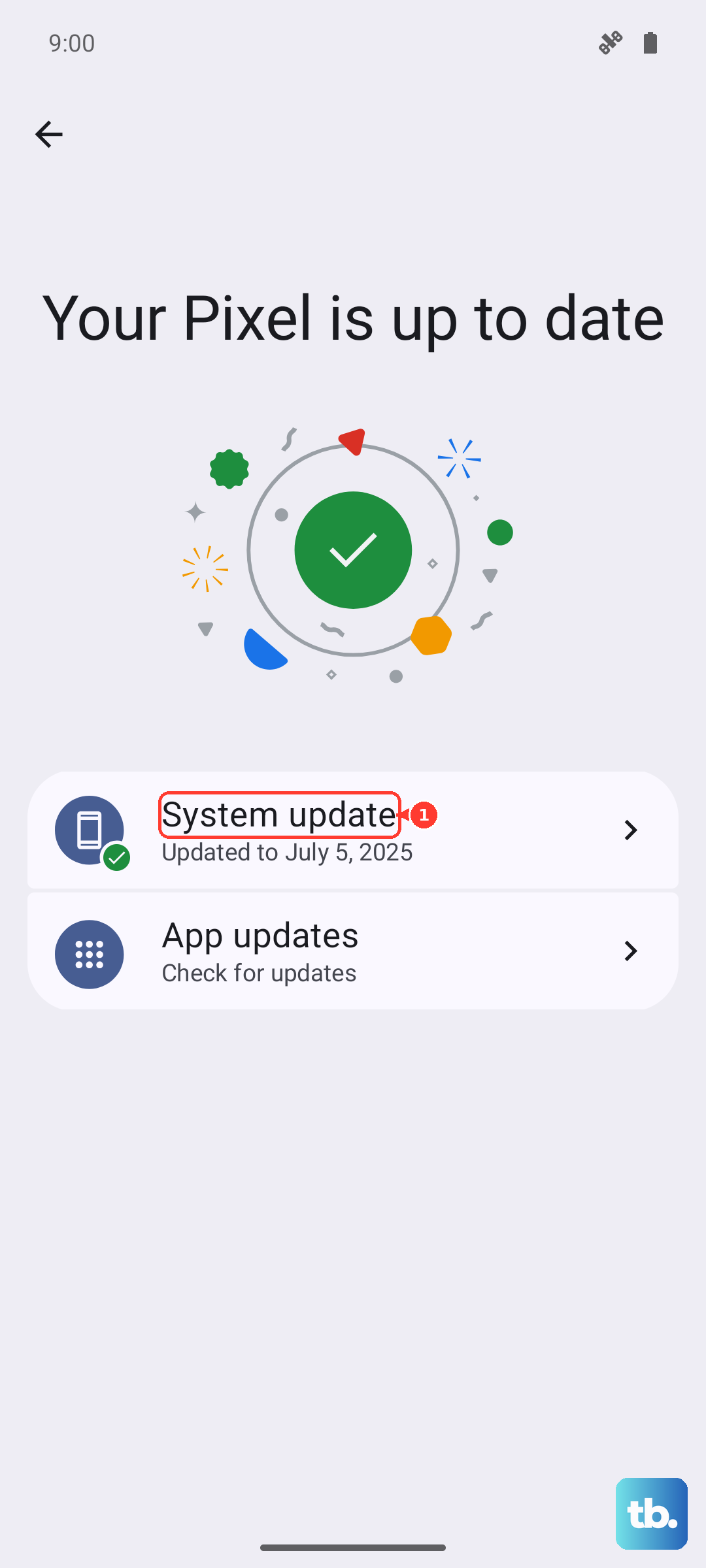
Tap "Check for updates" and install anything that's available. Your phone will restart as part of the process. After it boots up, give it a minute to reconnect to the network and see if the SIM is detected.
Reset Your Network Settings
This is a more thorough step that clears all your saved Wi-Fi passwords, Bluetooth pairings, and cellular network configurations. It won't delete your personal photos or apps, but you will have to reconnect to Wi-Fi networks afterward.
To do this, navigate to Settings > System settings > Backup & reset. Tap on "Reset phone" and then select "Reset network settings." Confirm your choice, and the phone will reset and reboot. This often resolves persistent connectivity glitches.
Check and Reset APN Settings
Incorrect Access Point Name (APN) settings can prevent your phone from registering on your carrier's network properly, which might show up as a SIM error. Go to Settings > Mobile network > select your SIM > Access Point Names.
You'll see a list of APNs. Tap the three-dot menu in the top right and select "Reset to default." This will load the standard settings for your carrier. If you need to enter custom APN details, your carrier can provide them via their website or customer support.
Try Manual Network Selection
Sometimes, letting the phone automatically choose a network can fail. You can manually select your carrier to force a connection. Go to Settings > Mobile network > Network operators.
Turn off the "Select automatically" option. The phone will search for available networks. When the list appears, choose your specific carrier's name from it. Wait a moment for the registration to complete.
Clear the SIM Toolkit Cache
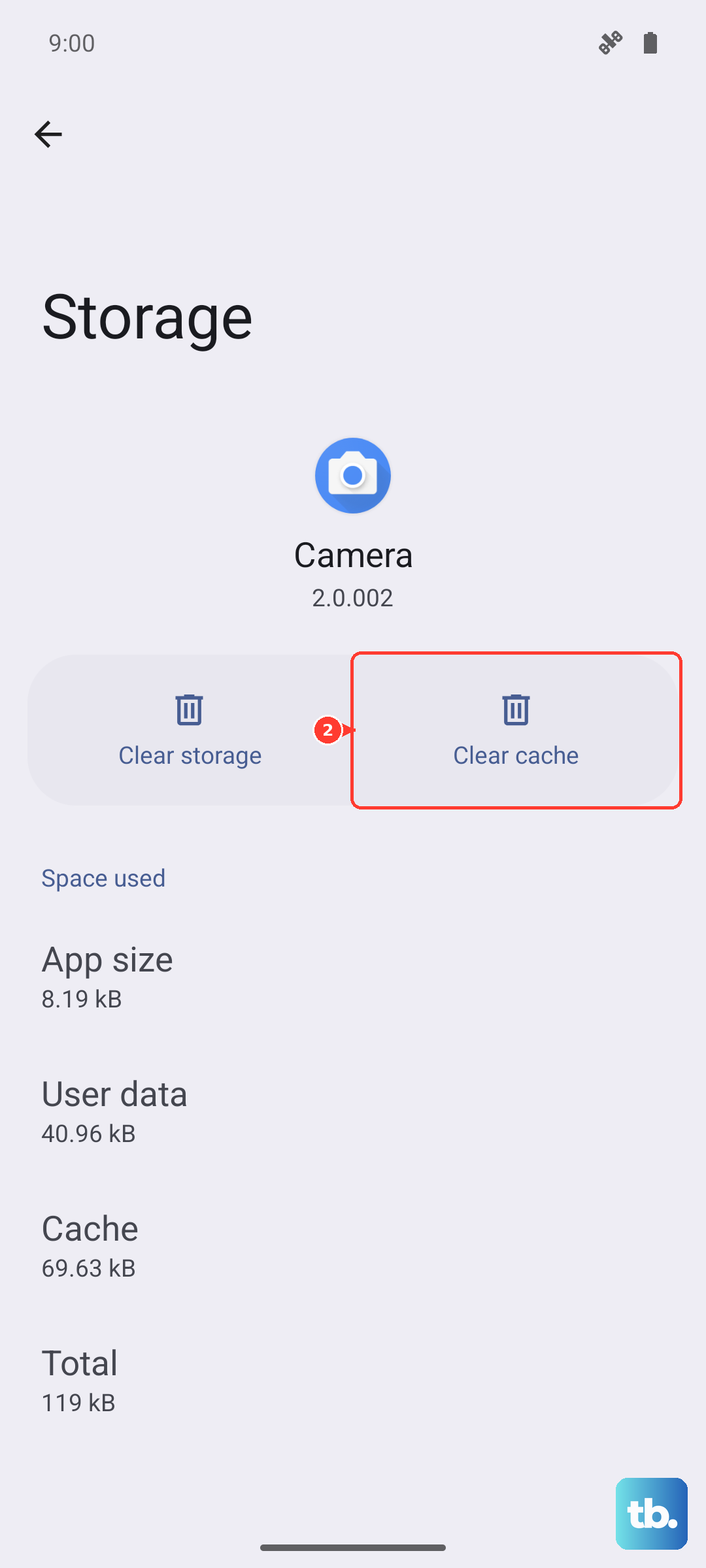
The SIM Toolkit app manages communication between your SIM card and the phone. Corrupted data in its cache can cause issues. Go to Settings > Apps > Manage apps.
Tap the three-dot menu and select "Show system." Scroll down and find "SIM Toolkit" in the list. Tap on it, then go to "Storage usage." Tap "Clear cache." Do not tap "Clear data" unless you're instructed to by your carrier, as it may remove carrier-specific services.
Consider a Factory Reset
If you've tried everything else and the SIM works in other phones, a deeper software issue might be the cause. A factory reset will wipe your phone back to its original state, so this is a last resort. You must back up all your important data first.
Once backed up, go to Settings > System settings > Backup & reset > Erase all data (factory reset). Follow the prompts to complete the reset. After the phone restarts, set it up as new and test the SIM card before restoring your backup.
Potential Hardware Considerations
The Realme GT 7 Pro's 120W charging is incredibly fast, but it also generates significant heat. While the phone is designed to handle it, consistent exposure to high temperatures over time could potentially affect internal components, including the SIM card reader.
If the SIM card is verified to work in other devices and a factory reset didn't help, the internal SIM card reader or a related motherboard component may be faulty. At this point, contacting Realme support or visiting an authorized service center for a hardware diagnosis would be the next step.