
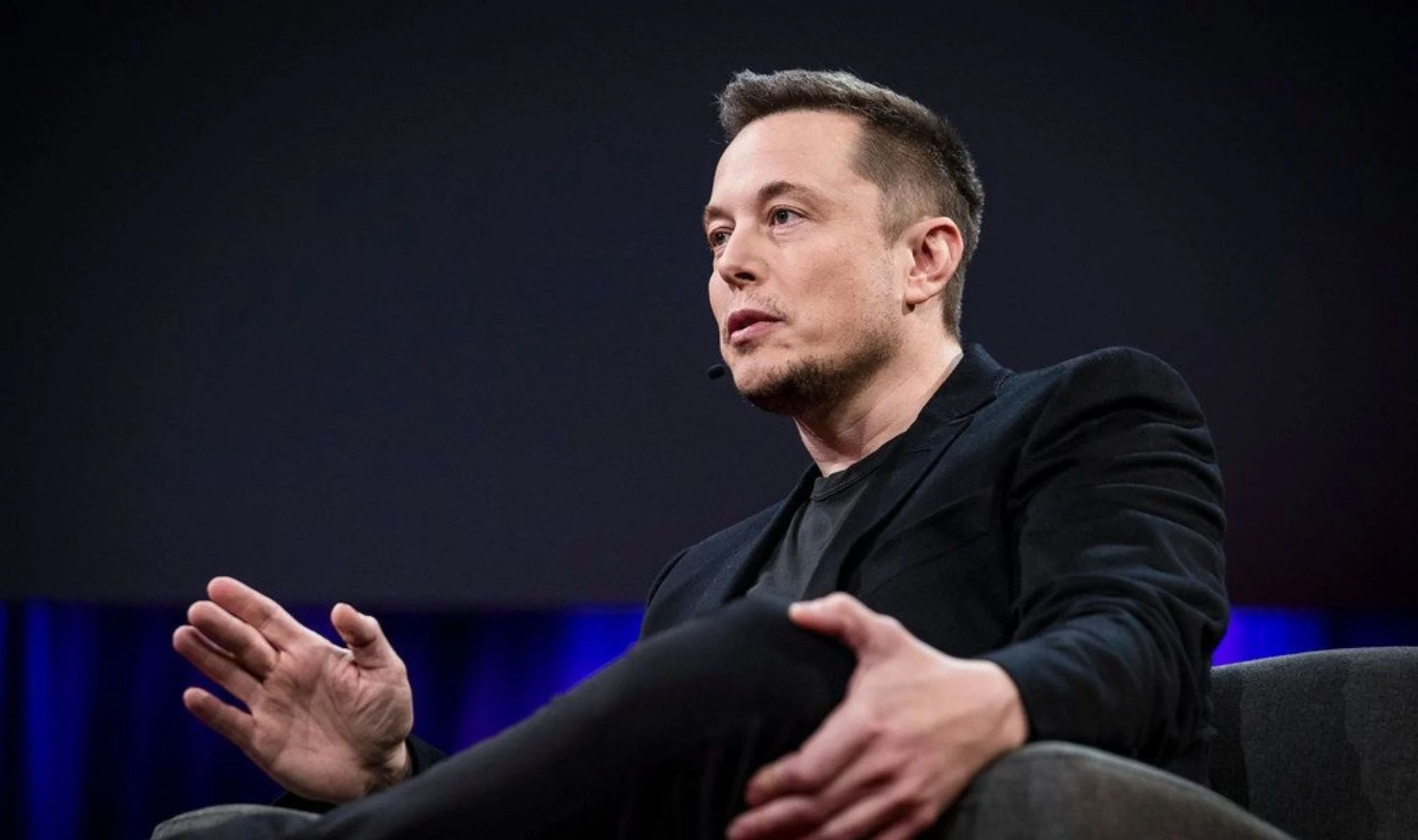
SpaceX showed investors a prototype of a handset-like AI device before its IPO last month, the Wall Street Journal reported, pitching a device slimmer than an iPhone that would run on a proprietary operating system and integrate xAI's technology. Elon Musk called the report "utterly false" in a two-word post on X.
The prototype, described by people familiar with the matter, uses a Qualcomm Snapdragon chipset and is designed around native AI interfaces rather than existing mobile platforms. SpaceX told investors the device is in early stages and the design could still change or be canceled entirely, per the Journal.
Musk's denial follows a pattern. He told Reuters in February that SpaceX is "not developing a phone" after similar speculation surfaced. But the company's broader ambitions in wireless are becoming harder to ignore.
SpaceX COO Gwynne Shotwell told investors last week the company is considering plans to offer a terrestrial mobile phone service, the Financial Times reported. Bloomberg reported the same day that SpaceX is in talks with Charter Communications about using the internet provider's ground infrastructure for phone traffic. The company already partners with T-Mobile for direct-to-cell satellite service via Starlink.
The AI hardware space is littered with failures. Humane's AI Pin, a $700 device with a $24 monthly subscription, was discontinued.
The Rabbit R1 similarly flopped. Even OpenAI, which is working with Apple's former design chief Jony Ive on an AI device, has struggled, reports from last autumn suggest the company has been wrestling with the details.
SpaceX has the manufacturing muscle and chip access to produce hardware at scale. But the graveyard of AI gadgets suggests that building the device is only half the problem. The harder question is whether anyone wants to buy one.