
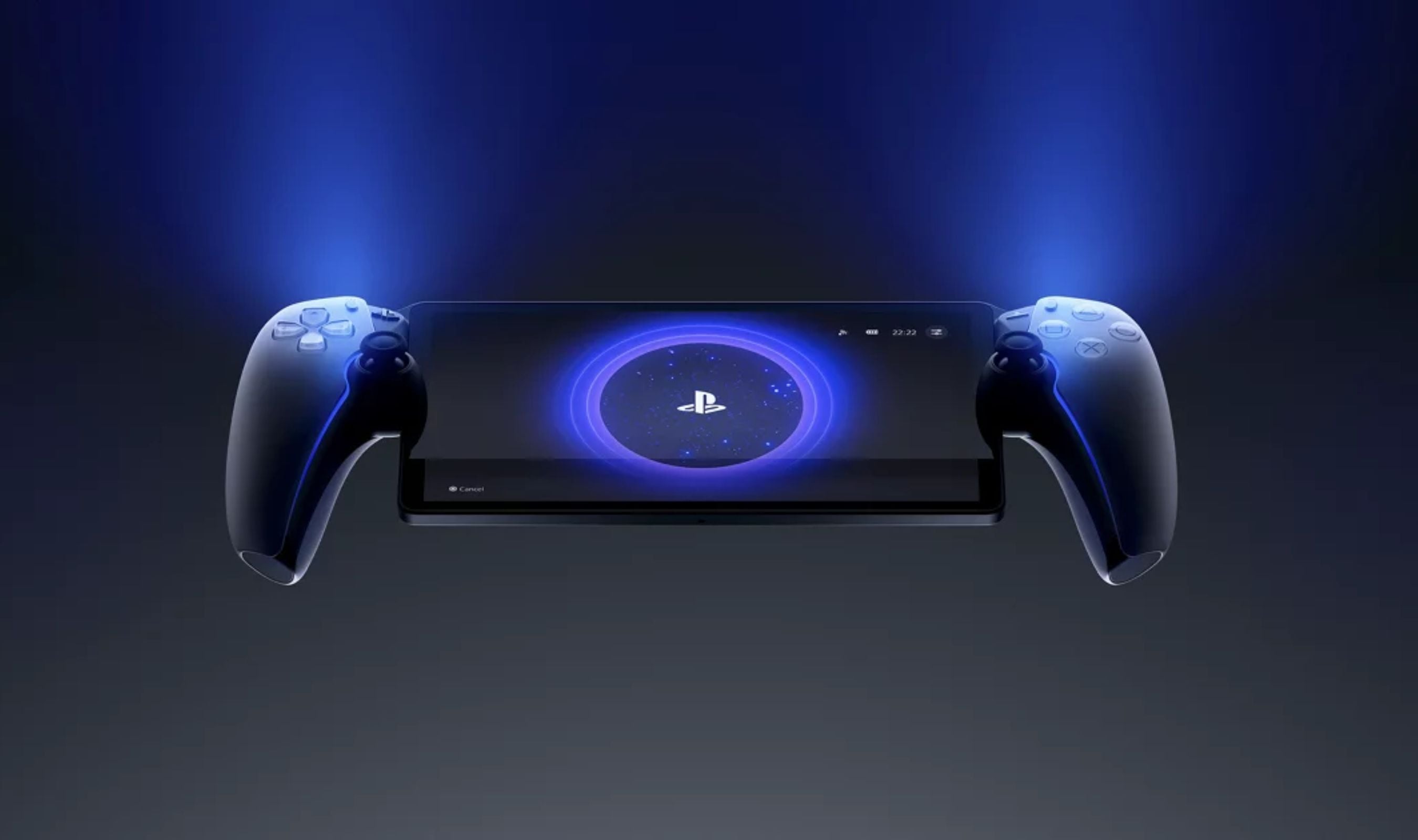
AMD engineer Vishal Badole submitted a Linux kernel patch this week defining a new "low-power" core type for Zen 6, marking the first official evidence that Sony's rumored PS6 Portable uses real silicon. The patch, published to the Linux mailing list, adds a third CPU core category alongside Zen 6 (performance) and Zen 6c (efficiency): the Zen 6 LP core.
According to the documentation, these cores are "designed for minimal power consumption during background or idle workloads." The operating system identifies them through extended CPU topology information so the kernel applies the correct power scaling behavior.
This matters because leakers Moore's Law Is Dead and KeplerL2 have claimed Sony's PS6 Portable -- codenamed "Canis" -- uses a custom AMD APU with six CPU cores: four Zen 6c and two Zen 6 LP. Until now, those reports were unverifiable speculation.
AMD's official kernel work confirms the exact core type those leaks described. Pure desktop processors don't need this level of idle power granularity. A handheld does.
The LP cores are expected to handle OS scheduling and background tasks, freeing the Zen 6c cores for gaming. Leaked specs peg the Canis APU at 16 RDNA 5 compute units, 24 GB of LPDDR5X memory on a 192-bit bus, and a 135 mm² TSMC 3nm die.
Sony itself hinted at the device last week. In a Famitsu interview, SIE President Hideaki Nishino said the company aims to "provide game experiences that suit increasingly diverse lifestyles." An investor Q&A this month went further, with Sony stating it plans to take its next-generation platform "beyond the living room" -- the company's first public acknowledgment of a non-traditional PS6 form factor.
The LP cores also solve a thorny developer problem. Microsoft's Xbox Series S, with its 10 GB memory ceiling, forced studios to make painful compromises this generation.
Sony's handheld reportedly lands at 24 GB, roughly 20% less than the home PS6 but enough that developers can scale resolution and assets without rebuilding game logic. The shared x86 instruction set across all three Zen 6 core types means no software compatibility issues.
AMD is expected to launch the Medusa APU family containing these LP cores around CES 2027, with Zen 6 desktop and notebook processors following later that year.