
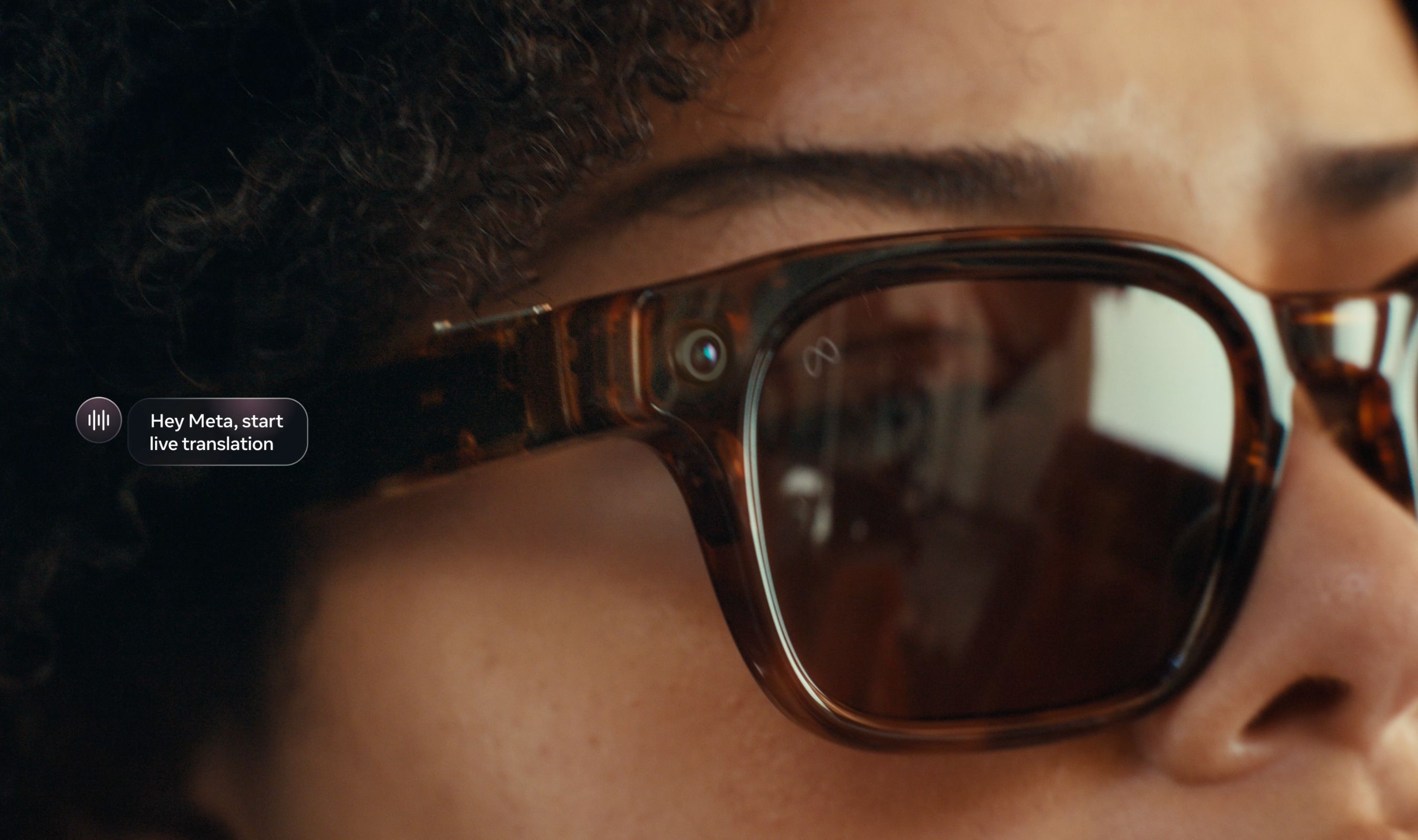
Meta is charging Ray-Ban Meta glasses owners a monthly fee to unlock more time with Conversation Focus, a hearing-assistance feature that runs entirely on the glasses' own hardware and works without an internet connection. The change, confirmed on a Meta support page this week and first reported by The Verge, caps free usage of Conversation Focus at three hours per month. Anyone who needs more must subscribe to Meta One Premium for $19.99 a month, which raises the limit to 15 hours.
Conversation Focus uses beam-forming microphones and on-device processing to isolate and amplify the voice of the person a wearer is talking to in noisy settings. The Verge tested the feature with mobile data turned off and confirmed it still functioned, meaning it does not rely on Meta's servers or a cloud connection.
That distinction matters. AI rate limits are common for cloud-powered features where each query costs the provider compute resources. Conversation Focus costs Meta nothing beyond the hardware the user already bought.
Meta told The Verge that most people don't use Conversation Focus for anywhere near three hours a month, framing the subscription as an option for power users who want expanded access alongside other premium benefits. But the logic gets thinner when the math is laid out.
Three hours spread across a month works out to roughly six minutes a day. A single loud dinner or a long meeting could burn through a meaningful chunk of that allowance in one sitting. Even the paid tier has limits. Subscribers get 15 hours per month, and unused time does not roll over. Free users wait for a monthly reset; paid users reset at their next billing cycle.
Meta One Premium is part of a wider subscription rollout announced in May that bundles AI access, device support, and social platform features across Instagram, Facebook, and WhatsApp. The plan is still in limited testing and not available everywhere.
What makes this move notable is the precedent it sets. Conversation Focus is the first on-device smart glasses feature to get a usage cap and paywall.
If Meta extends the same approach to other features that run on local hardware, owners of the $299+ glasses could face recurring fees for capabilities their devices already support.