
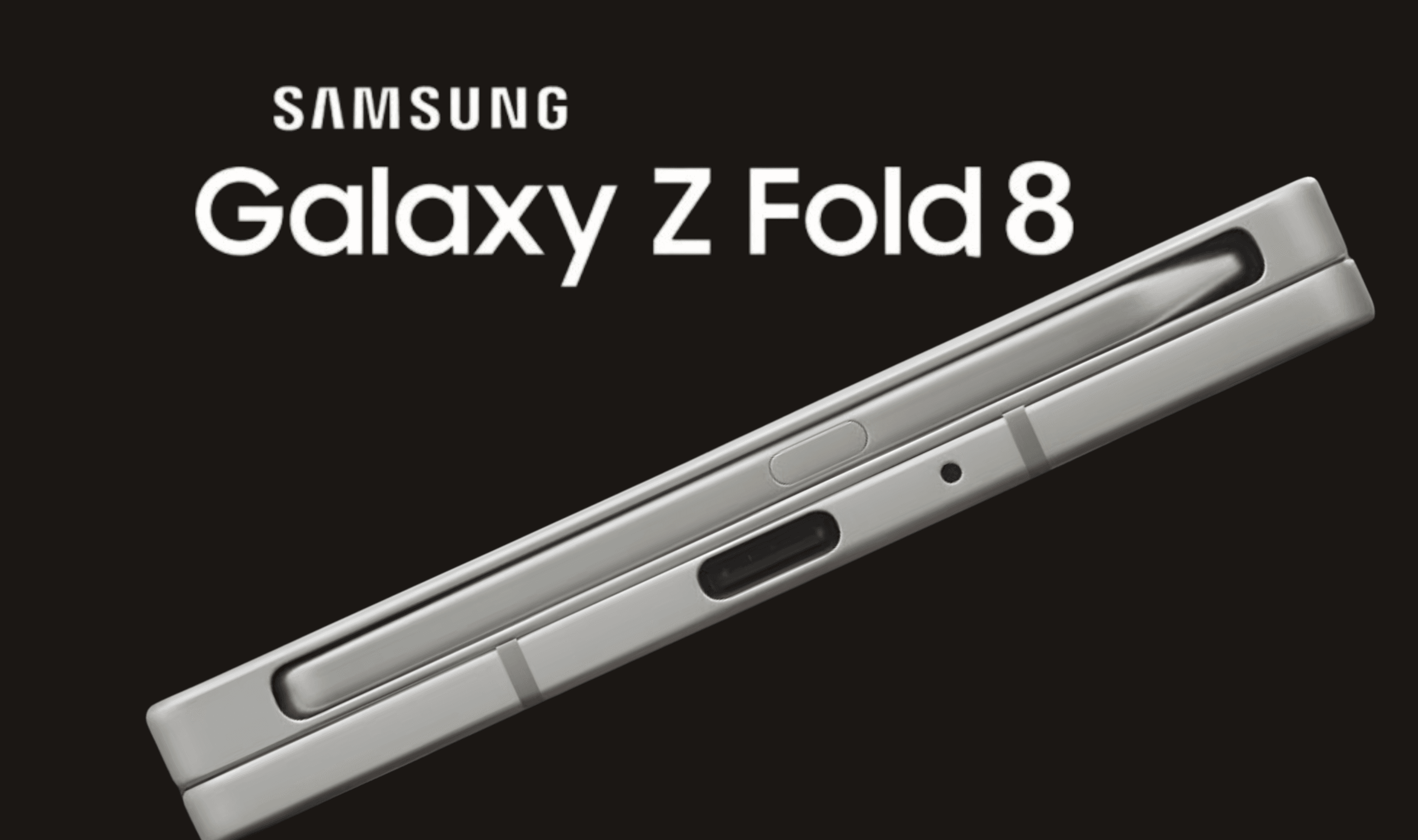
Samsung plans to manufacture 3.5 million Galaxy Z Fold 8 units this year, according to Korean media reports. The company reportedly targets only 2.5 to 3 million Z Flip 8 devices, marking the first time book-style foldables will outproduce clamshell models.
The production split reverses Samsung's historical approach. Previous Galaxy Z generations consistently prioritized clamshell production over book-style foldables. The shift follows the Z Fold 7's unexpected popularity surge last year, which marked the first time a Fold model outsold a Flip model.
Samsung's confidence stems from planned technical improvements. The Z Fold 8 will reportedly be thinner and lighter than its predecessor, continuing a weight reduction trend that saw the Z Fold 7 drop from 239 to 215 grams. Display crease visibility should decrease significantly through new manufacturing techniques.
Apple's upcoming foldable iPhone influences Samsung's strategy. Both devices may share the same laser-drilled metal display plate from South Korean supplier Fine M-Tec, enabling "crease-free" screens. The technology disperses bending stress across the display surface.
Camera upgrades differentiate the two 2026 foldables. Multiple reports indicate major camera improvements for the Z Fold 8, while the Z Flip 8 may retain similar hardware to its predecessor. This disparity explains Samsung's production allocation decisions.
Pricing will remain in the premium segment. The Z Fold 8 should start around $1,800-$2,000, consistent with recent generations. Higher storage configurations typically add $200-$400 to base prices depending on regional markets and carrier promotions.
Enterprise adoption continues driving foldable growth. Samsung reported 105% year-over-year increase in enterprise foldable sales from January to October 2022. Financial services firms particularly value the larger working area for complex workflows.
Samsung expands its foldable portfolio with the Wide Fold variant. The company reportedly plans one million units of this 4:3 aspect ratio device for 2026. This production target dwarfs the 30,000-unit TriFold allocation, indicating mainstream market ambitions.
Release timing follows established patterns. Both devices should debut at a summer Unpacked event, likely in July 2026. Samsung typically announces foldable updates alongside smartwatch refreshes during mid-year launches.
The production strategy reflects Samsung's focus on higher-margin products. Book-style foldables command premium pricing with better profit margins than clamshell models. By prioritizing Z Fold 8 development, Samsung encourages consumer migration toward more profitable devices.
Market competition intensifies as Apple prepares its first foldable iPhone. Industry estimates suggest Apple could ship around 10 million foldable units, significantly exceeding Samsung's current foldable volumes. Samsung's aggressive Z Fold 8 production aims to maintain market leadership.
Samsung's foldable shipments reached approximately six million units in 2025, boosted by strong Z Fold 7 performance. The company needs continued growth to counter Apple's anticipated market entry and maintain its position as the dominant Android foldable manufacturer.
The Z Fold 8's success depends on execution. Reduced weight, improved cameras, and diminished display crease must justify premium pricing. Samsung's production targets indicate confidence that these improvements will resonate with consumers seeking productivity-focused devices.
Enterprise customers represent a key growth segment. Larger displays support complex financial workflows, document editing, and multitasking scenarios that conventional smartphones cannot match. Samsung's enterprise sales growth suggests this market segment recognizes foldable advantages.
Samsung's three-foldable strategy for 2026 includes the Z Fold 8, Z Flip 8, and Wide Fold. This diversified approach addresses different user preferences while maximizing manufacturing efficiency across shared component platforms.
The company's production planning occurs months before formal announcements. Current targets may adjust based on component availability, market conditions, and competitive developments. Samsung typically finalizes production volumes closer to launch based on pre-order demand indicators.
Foldable technology maturation drives mainstream adoption. Early durability concerns have diminished through iterative hinge improvements and display protection advancements. Samsung's seven-year software support policy for recent flagships addresses longevity concerns that previously limited enterprise adoption.
Market dynamics favor productivity-focused devices. The pandemic-driven shift toward remote work increased demand for mobile productivity tools. Foldables bridge the gap between smartphones and tablets, offering expanded screen real estate without requiring separate devices.
Samsung's production strategy acknowledges changing consumer preferences. The Z Fold 7's unexpected popularity demonstrated market readiness for premium book-style foldables. The Z Fold 8 builds on this foundation with refinements that address previous generation limitations.
Component suppliers benefit from Samsung's expanded foldable production. Display manufacturers, hinge specialists, and camera module providers receive increased orders as foldable volumes grow. This supply chain investment supports further technological advancements across the industry.
The foldable market's evolution follows tablet adoption patterns. Early premium pricing limited initial uptake, but improving technology and expanding use cases drive broader acceptance. Samsung's production targets reflect confidence that foldables will follow similar growth trajectories.
Samsung faces balancing challenges between innovation and affordability. The Z Fold 8 represents the premium innovation flagship, while the Z Flip 8 serves as the more accessible entry point. This tiered approach maximizes addressable market while maintaining technological leadership.
Industry analysts monitor Samsung's production decisions as market indicators. The company's manufacturing volumes influence component pricing, competitor strategies, and retail channel allocations. Successful Z Fold 8 adoption could accelerate foldable technology across the Android ecosystem.
Samsung's 2026 foldable strategy emphasizes differentiation through form factor diversity. The Z Fold 8 targets productivity users, the Z Flip 8 appeals to style-conscious consumers, and the Wide Fold explores new aspect ratio possibilities. This multi-pronged approach maximizes market coverage.
The company's production confidence stems from accumulated foldable experience. Samsung has shipped foldable smartphones since 2019, refining manufacturing processes through six generations. This institutional knowledge supports ambitious production targets for 2026 devices.
Market reception will determine Samsung's future foldable direction. Strong Z Fold 8 sales could prompt increased investment in book-style form factors, while Z Flip 8 performance influences clamshell development priorities. The Wide Fold's reception will guide aspect ratio experimentation.
Samsung's foldable ambitions extend beyond consumer smartphones. The company explores foldable tablets, laptops, and hybrid devices that leverage similar hinge and display technologies. Successful smartphone foldable adoption creates foundation for broader product category expansion.
The 2026 foldable market represents a critical inflection point. Apple's entry validates the form factor while increasing competitive pressure. Samsung's production targets demonstrate commitment to maintaining leadership through aggressive innovation and volume manufacturing.
Component innovation drives foldable advancement. Thinner displays, more durable hinges, and efficient batteries enable improved user experiences. Samsung's supplier relationships and vertical integration provide advantages in implementing cutting-edge technologies.
Software optimization remains crucial for foldable success. Android's foldable support has improved significantly since initial implementations. Samsung's One UI enhancements specifically address multi-window workflows, app continuity, and aspect ratio adaptation.
The Z Fold 8's anticipated improvements address historical pain points. Weight reduction, crease minimization, and camera upgrades respond directly to consumer feedback. These refinements demonstrate Samsung's iterative approach to foldable perfection.
Market education continues influencing adoption rates. Early foldable misconceptions regarding durability and practicality have diminished through real-world usage and improved technology. Samsung's marketing emphasizes productivity benefits that resonate with professional users.
Samsung's production planning reflects sophisticated demand forecasting. The company analyzes previous generation sales, market trends, and competitive intelligence to determine manufacturing volumes. The Z Fold 8's production advantage indicates strong internal confidence.
The foldable market's growth trajectory suggests increasing mainstream acceptance. Samsung's production targets align with industry projections forecasting continued expansion. The company positions itself to capture disproportionate market share through aggressive investment.
Samsung's 2026 foldable portfolio represents the most comprehensive in company history. Three distinct form factors address varied user preferences while sharing technological foundations. This approach maximizes research and development efficiency across product lines.
Component standardization benefits manufacturing scale. Common displays, processors, and cameras across foldable models reduce complexity while maintaining differentiation through form factors. Samsung's production efficiency supports competitive pricing despite premium positioning.
The Z Fold 8's production priority signals Samsung's strategic focus. Book-style foldables offer greater differentiation from conventional smartphones, supporting premium pricing and profit margins. This aligns with Samsung's broader profitability objectives across its mobile division.
Market competition intensifies as Chinese manufacturers expand foldable offerings. Brands like Honor and OnePlus have gained traction with competitive pricing and innovative designs. Samsung's response emphasizes technological leadership and ecosystem integration advantages.
Samsung's foldable ecosystem extends beyond hardware. Galaxy AI features, DeX desktop integration, and S Pen support create differentiated user experiences. These software enhancements leverage foldable form factors in ways competitors cannot easily replicate.
Enterprise partnerships strengthen Samsung's foldable position. Collaboration with financial services firms, healthcare providers, and educational institutions drives specialized adoption. These vertical market applications demonstrate foldable practicality beyond consumer use cases.
The Z Fold 8's anticipated July release follows Samsung's established product cadence. Summer launches provide holiday shopping season availability while avoiding competition with spring flagship announcements. This timing maximizes market impact and retail channel support.
Samsung's production confidence reflects supply chain readiness. Component manufacturers have scaled foldable-specific production capabilities through multiple generations. This infrastructure supports ambitious volume targets without compromising quality or delivery timelines.
Market evolution favors Samsung's foldable strategy. Increasing remote work adoption, mobile productivity demands, and entertainment consumption patterns align with foldable advantages. The Z Fold 8's larger display addresses these evolving usage scenarios.
Samsung's manufacturing approach balances innovation with reliability. The company maintains conservative yield estimates while pushing technological boundaries. This methodology ensures consistent quality while advancing the state of foldable technology.
The 2026 foldable market represents a maturation phase. Early adopter enthusiasm transitions toward mainstream consideration. Samsung's production targets acknowledge this shift while maintaining innovation leadership through the Z Fold 8's anticipated improvements.
Samsung's foldable journey continues evolving. Each generation addresses previous limitations while introducing new capabilities. The Z Fold 8 represents the latest iteration in this ongoing refinement process, building upon six years of accumulated experience.
Market success depends on execution across multiple dimensions. Hardware reliability, software optimization, pricing strategy, and marketing effectiveness collectively determine adoption rates. Samsung's production planning indicates confidence across all these areas.
The foldable market's future remains dynamic. Technological advancements, competitive entries, and consumer preferences will continue evolving. Samsung's 2026 strategy positions the company to lead this evolution through aggressive innovation and volume manufacturing.