
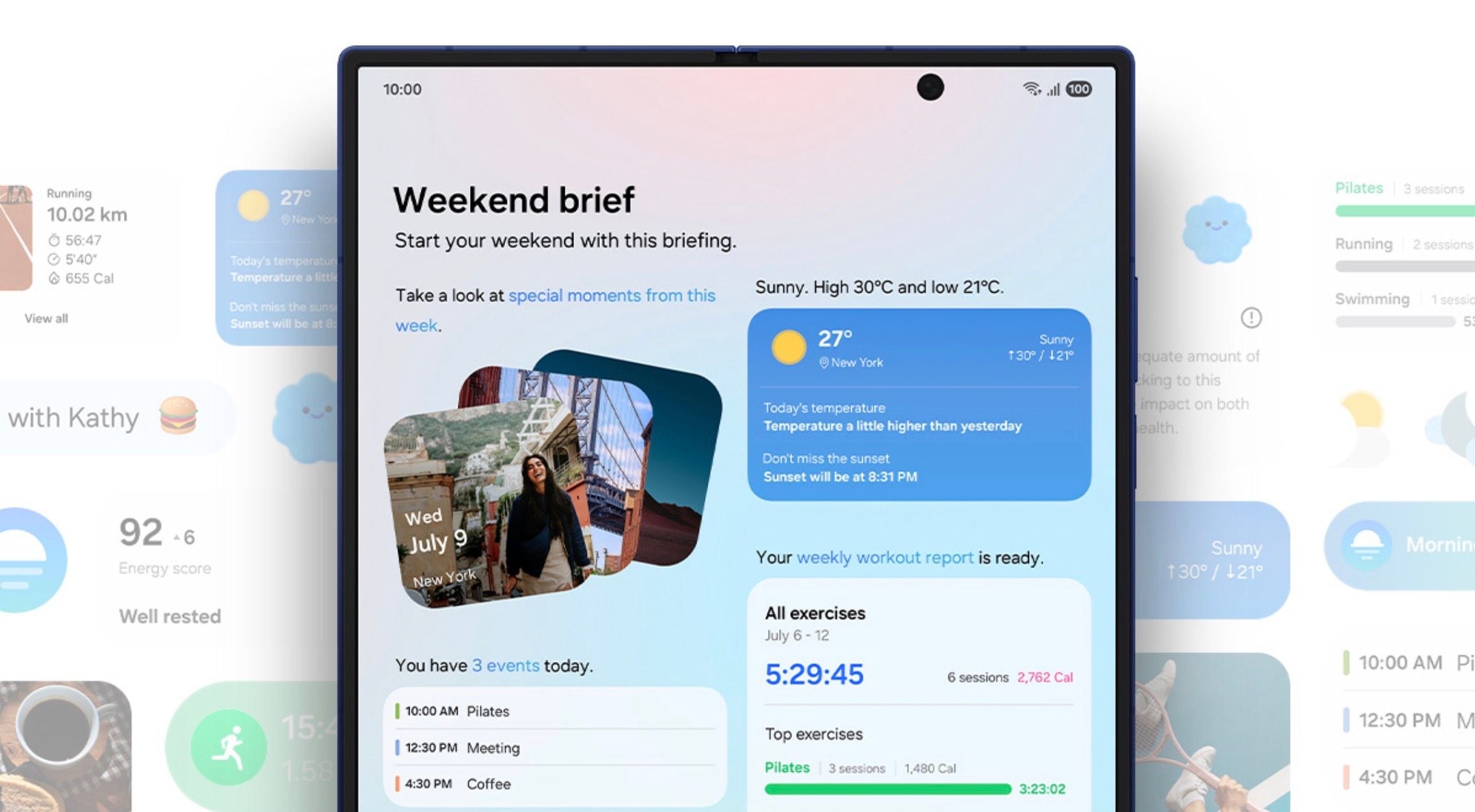
Samsung will reportedly use dual ultra-thin glass layers in its next foldable to reduce display creases by at least 20 percent.
The company showcased its "Advanced Crease-less" display technology at CES 2026 earlier this month. Industry sources now indicate this panel will debut in the Galaxy Z Fold 8, expected in the second half of this year.
South Korean publication DealSite reports Samsung plans to apply ultra-thin glass on both the top and bottom display layers. Current foldables like the Galaxy Z Fold 7 reportedly use a single UTG sheet beneath a plastic protective layer, according to industry analysis.
The dual UTG structure spreads folding stress more evenly across the display. Samsung also reportedly uses laser drilling on the internal backplate to create microscopic holes that disperse pressure.
This prevents stress concentration along the hinge area where creases typically form. The approach could make the Galaxy Z Fold 8's unfolded screen feel more like a traditional tablet.
Ultra-thin glass offers cost advantages over alternative materials, according to industry analysis. Samsung can source UTG more easily than proprietary solutions.
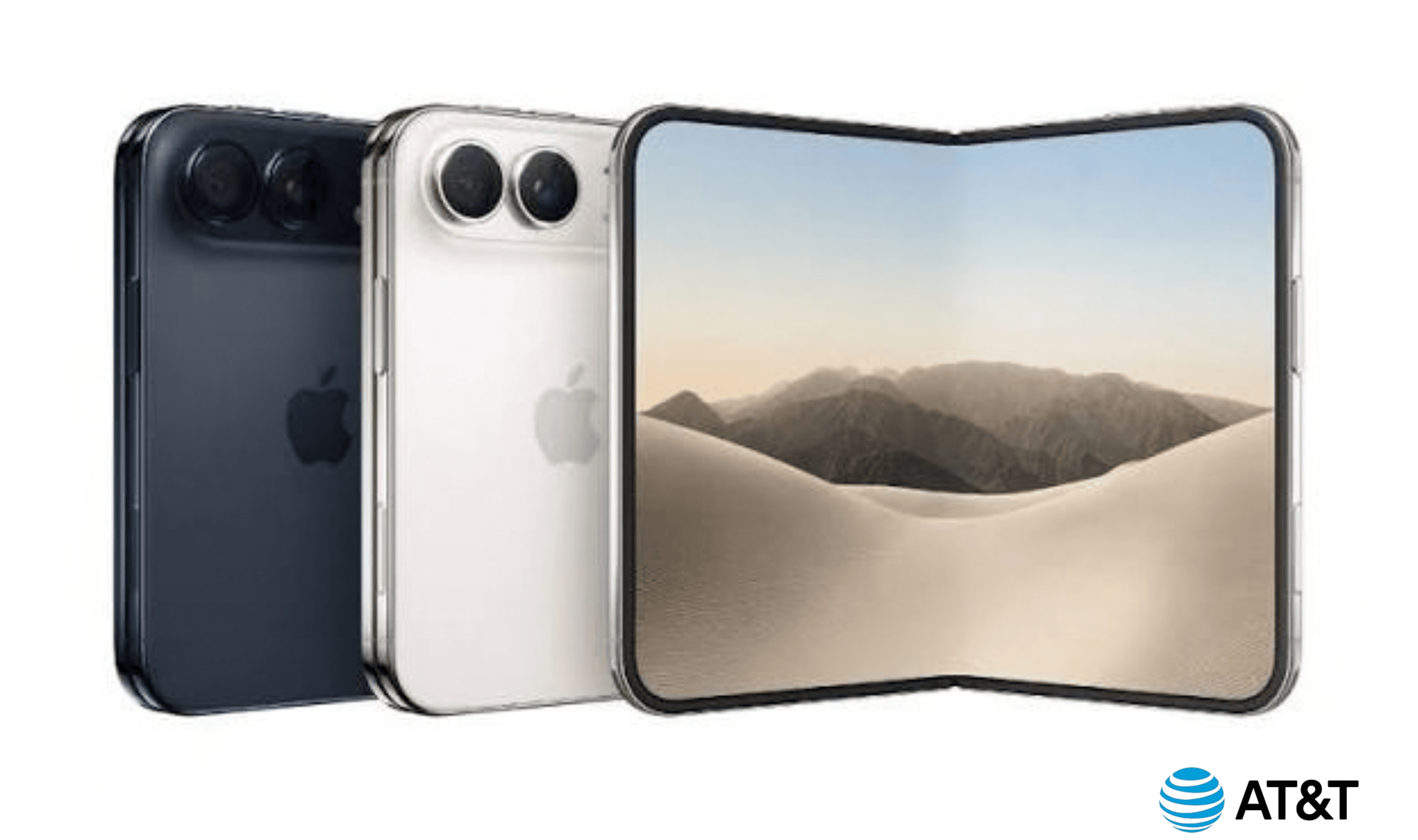
Apple's anticipated iPhone Fold reportedly drives Samsung's urgency to eliminate display creases. An industry insider told DealSite that Apple faces challenges achieving crease-free designs with its current patents.
Samsung may supply different panels to Apple than it uses in its own devices. The company's display division showcased the nearly wrinkle-free OLED technology in Las Vegas earlier this month.
The 20 percent crease depth improvement would represent a notable foldable display upgrade since Samsung introduced UTG. Early Galaxy Fold models, first released in 2019, used plastic screens that showed pronounced creasing.
Samsung's foldable display evolution reflects broader industry pressure to perfect flexible screen technology. Competitors including Huawei, Motorola, and Google continue refining their own foldable designs.
The Galaxy Z Fold 8's display improvements could arrive alongside camera upgrades for the Galaxy Z Flip 8. Samsung typically announces its foldable lineup in August.
Market analysts expect foldable shipments to grow 30 percent this year as prices decline and durability improves. Display crease elimination represents the final major technical hurdle for mainstream adoption.