
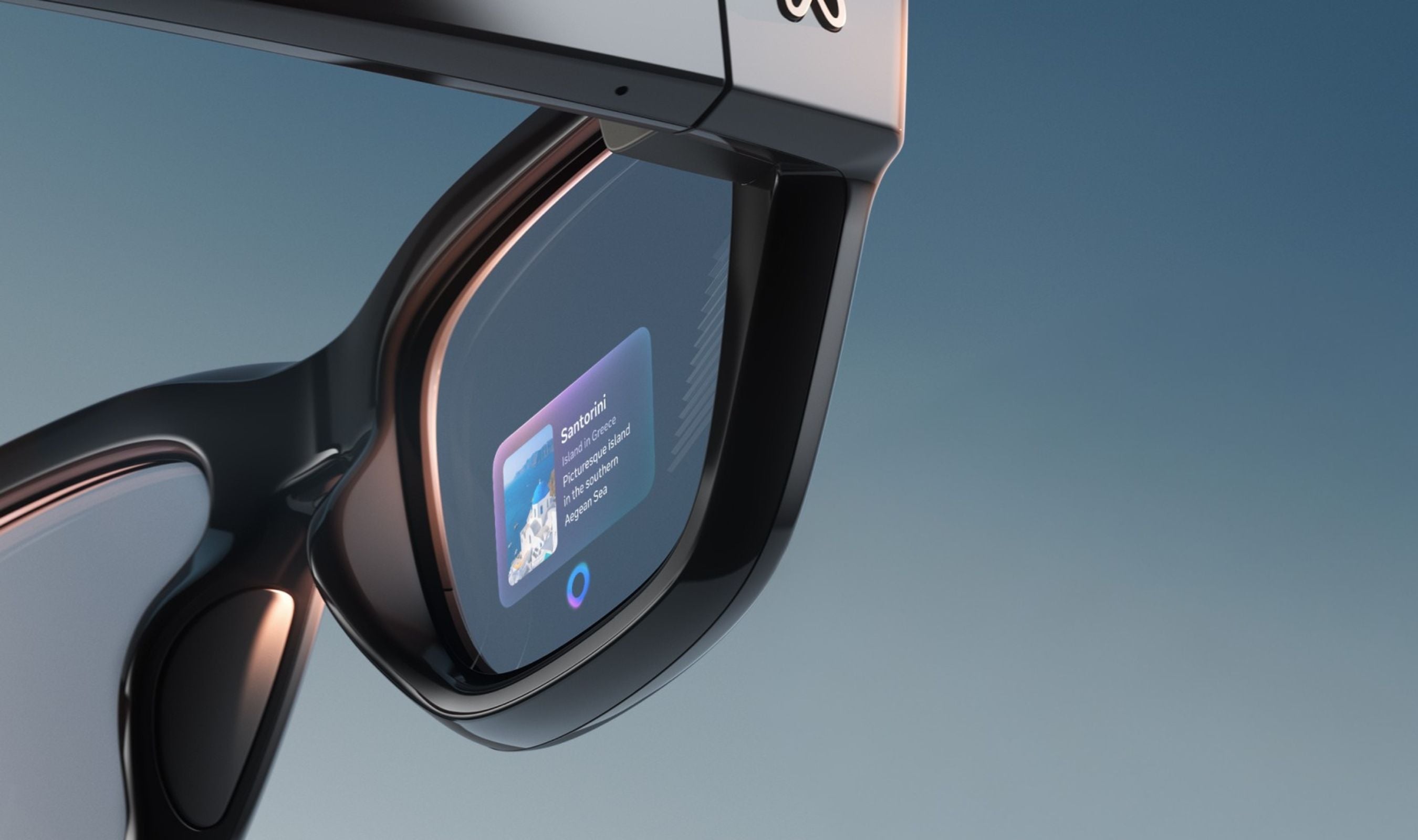
Human contractors in Kenya are reviewing intimate footage from Meta's Ray-Ban smart glasses, including people using bathrooms, changing clothes, and having sex. The Swedish newspaper investigation that exposed the practice reveals more than seven million pairs of the glasses have been sold to users who likely believed their private moments remained private.
Contractors at Kenya-based company Sama label footage captured by the glasses' cameras to train Meta's AI systems. According to Svenska Dagbladet and Göteborgs-Posten, the data pipeline delivers uncensored personal content directly to annotators who must catalog everything on screen.
One contractor described watching a man place his glasses on a bedside table before his wife entered and undressed, apparently unaware she was being recorded. The workers report seeing credit card details during store transactions and text messages when users glance at their phones.
Meta's terms of service for AI products state the company can review user interactions through automated or manual human review conducted by third-party vendors. The policy exists to improve services and monitor compliance with laws, but offers limited protection for accidental recordings.
Users are advised not to share sensitive information they don't want AI systems to retain.
An Android app called Nearby Glasses now detects when Meta's smart glasses are nearby by scanning Bluetooth Low Energy signals for manufacturer identifiers. Developed by Yves Jeanrenaud, a deputy professor at Darmstadt University of Applied Sciences in Germany, the tool warns users about potential surveillance but carries risk of false positives from other Meta hardware like VR headsets.
The LED indicator on Meta's glasses activates during recording but can be disabled using methods documented online. Jeanrenaud noted many people don't recognize smart glasses as recording devices despite growing concerns about non-consensual filming.
Earlier incidents include a December altercation where a woman smashed Meta AI glasses worn by a TikToker on the New York subway. Reports also document so-called "manfluencers" using smart glasses to secretly record interactions with women for misogynistic content posted online.
Meta responded that its terms require users to comply with laws and avoid harmful activities like harassment or privacy infringement. A spokesperson emphasized the LED light provides visual recording notification.
Contractors reviewing the footage face pressure to continue labeling intimate content without question.
"You understand that it is someone's private life you are looking at, but at the same time you are just expected to carry out the work," an employee told investigators. "You are not supposed to question it."
The investigation arrives as wearable cameras gain popularity for adult content creation and everyday use, creating new privacy challenges beyond traditional smartphone recording.