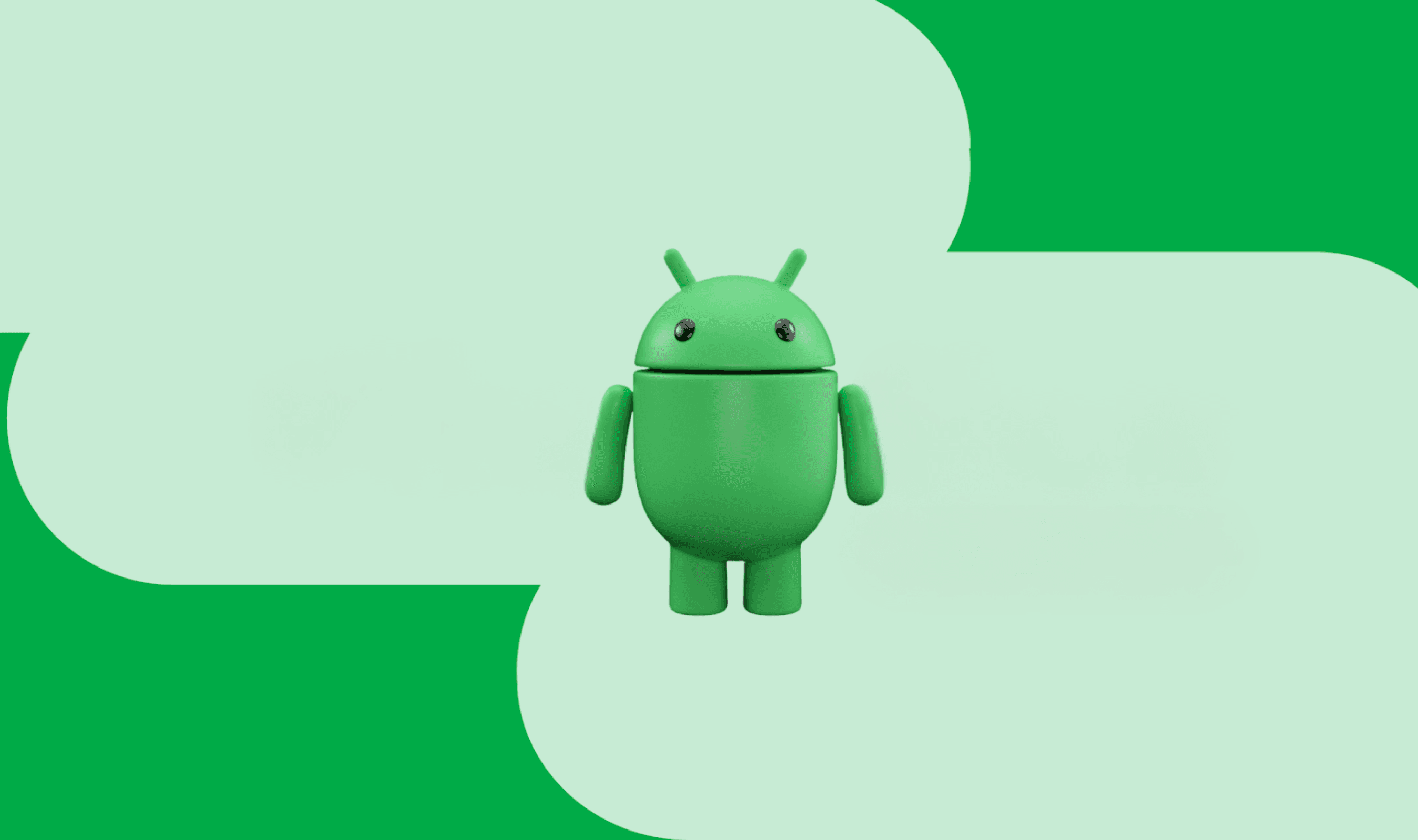
Google's Android 17 is expected to arrive in June 2026 with Pixel-first access, building on Android's established productivity and security foundations while adding significant polish to the platform.
The update carries over features from Android 16 QPR1 and QPR2 releases that Pixel users have tested throughout 2025. These quarterly drops typically debut on Google's hardware before reaching other Android devices months later.
Android 17 reportedly includes enhanced mouse and touchpad support with refined three-finger controls, action corners similar to macOS Hot Corners, and improved autoclick functionality. The update also brings a universal cursor system and mouse acceleration improvements for better desktop-like experiences on mobile devices.
Nokia Power User reports Google might be planning to shift more AI processing to local devices rather than cloud servers. This approach could improve notification summaries, reply suggestions, and offline AI functionality while potentially increasing privacy by keeping data on-device.
The trade-off may involve faster battery drain, though Google reportedly plans new battery management tools to address this.
9to5Google suggests Android 17 will split notification access from quick settings. Users would swipe down from the left side of the display for notifications and from the top-right for quick settings. The update also reportedly adds a mobile data quick settings tile for faster connectivity management.
Synergy Labs describes "Min Mode" as a new feature allowing apps to display full-screen, ultra-low-power interfaces providing at-a-glance information without opening the device. This departure from static Always On Display uses restricted color palettes to prevent excessive battery usage.
Live Mint reports Android 17 may include a refreshed camera interface, more expressive notification interactions, a resizable and magnifiable keyboard, and faster access to shortcuts and in-app tools.
The publication suggests the update "may feel like a brighter, more expressive version of Android 16" with smoother multitasking, more reactive widgets, tighter privacy controls, better battery optimizations, and additional AI features.
These improvements build on Android's existing productivity advantages. Android Police notes features like QR code hotspot sharing, which allows users to share Wi-Fi connections without passwords using Android 10 or later. The system requires fingerprint verification before displaying the QR code, maintaining security while simplifying connectivity.
Cross-device copy-paste functionality between Android and Windows PCs works through Microsoft's SwiftKey Keyboard app and Link to Windows integration. Samsung Galaxy users can access a universal clipboard that syncs text between phone and PC, creating seamless workflows across platforms.
Android's auto-fill OTP system automatically detects verification codes and injects them into app text fields, reducing manual entry while maintaining security through device-specific SMS reception. Notification history provides 24-hour access to cleared notifications, while notification snoozing allows temporary dismissal with scheduled reappearance.
Security improvements in Android 17 extend Google's recent theft protection expansion. A report says Google rolled out enhanced Failed Authentication Lock with dedicated toggles in Android 16 settings, allowing users to decide whether phones should lock after repeated incorrect PIN or biometric attempts.
Identity Check expands biometric verification to all apps using Android's Biometric Prompt, including third-party banking apps and password managers. The feature requires biometric authentication for sensitive actions like factory resets, changing screen locks, registering new fingerprints, or disabling Find My Device when outside trusted locations.
Theft Detection Lock uses on-device AI to identify sudden movements consistent with snatch-and-run thefts, automatically locking screens to block immediate data access. Offline Device Lock triggers if thieves disconnect phones from the internet to prevent location tracking.
Both features require active device use while unlocked and can lock screens up to twice daily.
Google enables Theft Detection Lock and Remote Lock by default on new Android activations in Brazil, a testing ground chosen for higher device theft rates. Remote Lock allows device locking from web browsers using verified phone numbers, with optional security challenges preventing malicious locks.
Factory reset protection upgrades prevent thieves from setting up wiped devices without knowing original device or Google account credentials. This approach targets the secondary market for stolen phones by eliminating the economic incentive for theft.
Android 17's polish-focused approach follows Google's pattern of refining existing systems rather than introducing radical changes. The update arrives as Android maintains productivity advantages over iOS through features like notification management, cross-platform integration, and security layers that work before, during, and after potential theft incidents.
Pixel users receive first access to these improvements in June 2026, with broader Android device rollout continuing throughout the year. The update represents Google's continued focus on making stolen Android devices harder to exploit while enhancing daily productivity through refined interfaces and smarter AI integration.