
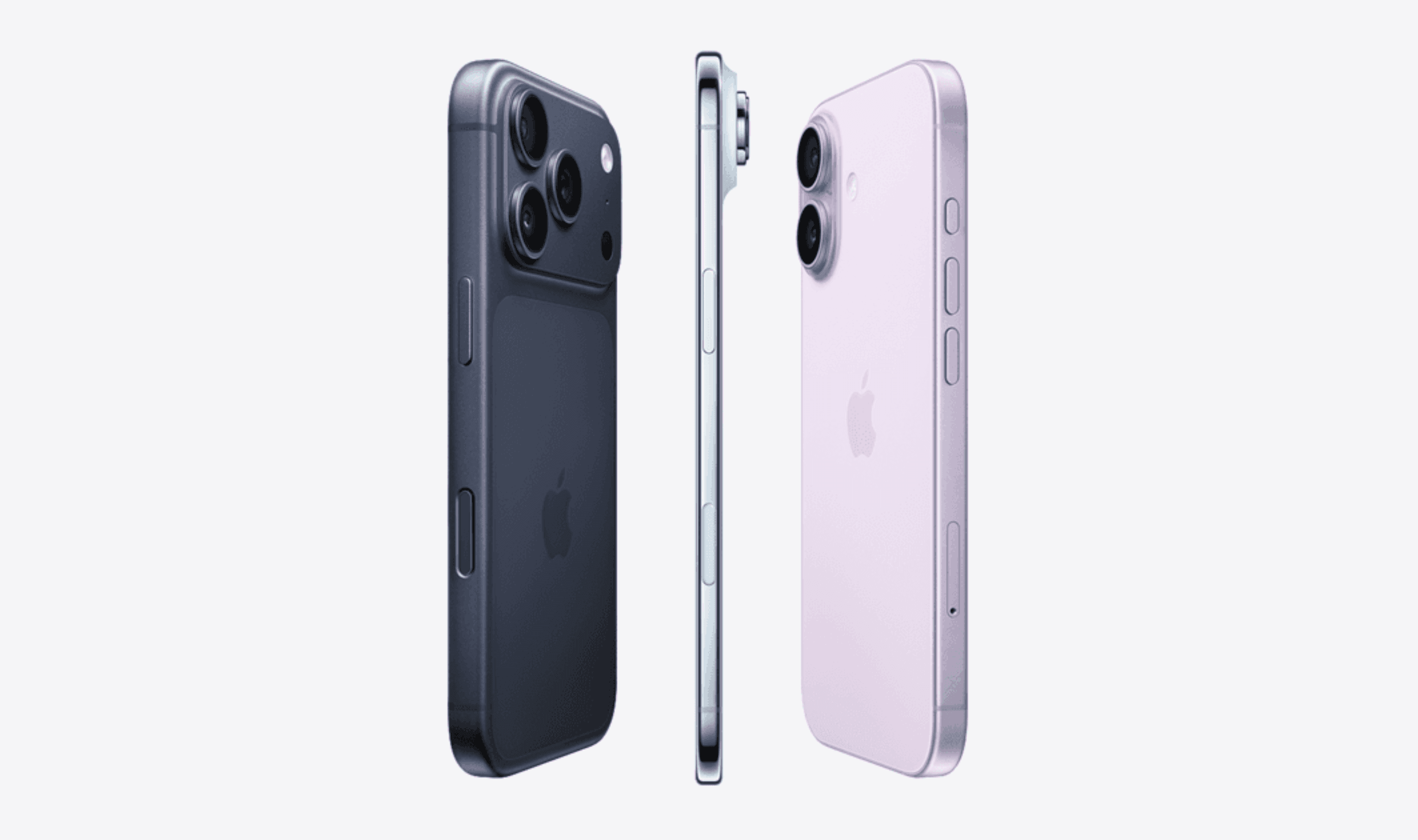
Apple's iPhone 18 will feature significantly brighter displays this fall, according to leaks from Chinese supply chain sources. The brightness requirements for late 2026 are reportedly so steep that display supplier BOE may drop out of the project entirely.
Weibo leaker Instant Digital claims Apple's screen specifications for the iPhone 18 exceed current capabilities. BOE, which supplied some iPhone 17 displays for the Chinese market, cannot meet the new brightness standards according to the leak shared by MacRumors.
The iPhone 17 currently delivers 1,000 nits typical brightness, 1,600 nits HDR peak, and 3,000 nits outdoor peak brightness. BOE successfully produced panels matching those specifications, suggesting the iPhone 18 will push beyond existing limits.
This display upgrade arrives as Apple reportedly considers restructuring its iPhone release schedule. Multiple sources suggest the company may separate standard and Pro model launches, with regular iPhones potentially moving to spring releases alongside budget e-series models.
The brightness increase represents Apple's continued focus on display technology as a key differentiator. Over four years, the company has doubled HDR peak brightness from 800 nits on iPhone 13 to 1,600 nits on iPhone 17, while outdoor brightness jumped from 2,000 to 3,000 nits.
Display improvements come alongside uncertainty about Apple's iPhone Air lineup. Leaker Fixed Focus Digital claims the iPhone Air 2 could launch this fall with modest upgrades, contradicting Bloomberg's Mark Gurman who called the original Air "a technology exercise and a prototype en route to the foldable iPhone."
The Information reported Apple canceled iPhone Air 2 trial production last year following weak sales of the first model. The company reportedly considers a major redesign with a second rear camera and lower price point for 2027.
Current iPhone Air models feature Apple's thinnest smartphone design at 165 grams with the A19 Pro chip matching iPhone 17 Pro performance. UK carrier Sky offers the device for £27 monthly with £12 upfront during its winter sale, down from £31 monthly.
Samsung's Galaxy S25 Edge remains slightly thinner at 5.8mm and 163 grams with larger screens and better speakers, though Apple maintains performance advantages according to comparative analysis.
Apple's display strategy appears focused on closing the gap between standard and Pro models. The iPhone 17 gained 120Hz ProMotion displays previously reserved for Pro variants, eliminating artificial brightness limitations that once differentiated product tiers.
If iPhone 18 brightness increases materialize, they would likely apply across both standard and Pro models. Apple has typically avoided giving standard models superior displays to Pro counterparts, suggesting any upgrade would be platform-wide.
The company's display roadmap may include more advanced LTPO+ panels potentially tied to under-display Face ID technology. Such innovations would likely debut in Pro models first, maintaining Apple's traditional product segmentation.
Supply chain challenges with BOE highlight the technical demands of Apple's display ambitions. The Chinese manufacturer reportedly struggled with LTPO OLED panel production for iPhone 17's 120Hz displays, its first attempt at the more complex technology.
Samsung Display remains Apple's primary supplier for Pro model screens using LTPO technology since iPhone 13 Pro. The Korean company's experience with advanced panel manufacturing gives it an advantage in meeting Apple's escalating brightness requirements.
Apple's display improvements arrive amid broader smartphone industry competition on screen technology. While some Android manufacturers push refresh rates to 144Hz or 165Hz, most industry observers consider those specifications overkill for general smartphone use.
Brightness represents a more practical upgrade path that directly impacts outdoor visibility and HDR content quality. Apple's systematic increases suggest the company views display performance as a core competitive advantage in the premium smartphone market.
The iPhone 18's rumored brightness boost would continue Apple's pattern of annual display enhancements while addressing real-world usability concerns. Higher peak brightness improves sunlight readability and enhances HDR video playback quality.
Industry analysts note that display technology has become a primary battleground for premium smartphones. Apple's reported specifications suggest the company intends to maintain leadership in screen performance through the iPhone 18 generation.
Final display specifications and supplier arrangements will likely solidify closer to Apple's traditional September announcement timeframe. The company typically confirms display details during its annual iPhone launch events.