
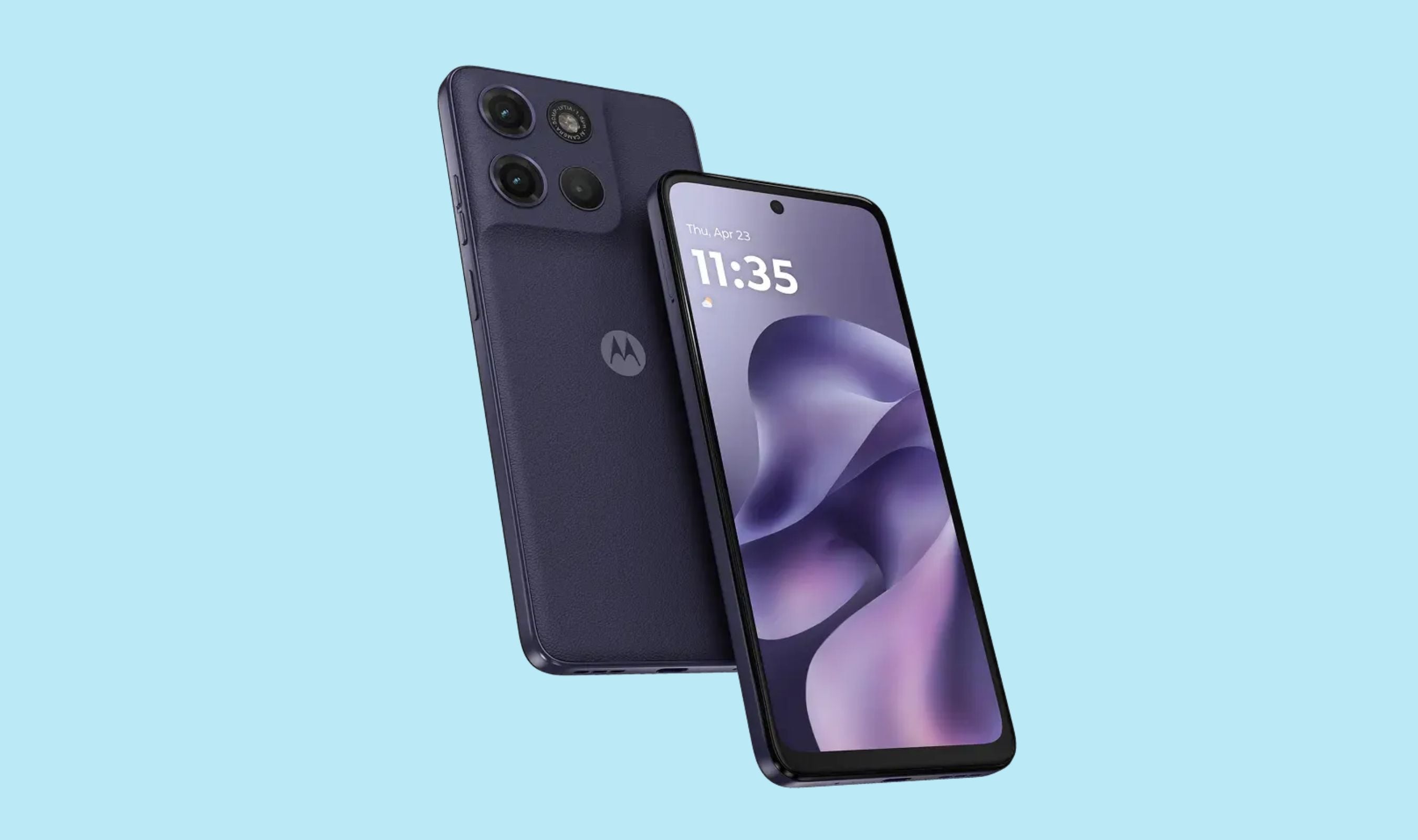
Motorola's new Moto G17 ships with Android 15 and receives zero promised OS upgrades, exploiting what appears to be an EU regulatory loophole. The budget phone launched last week across European markets at £149.99.
The device runs on the MediaTek Helio G81 Extreme processor, the same chip used in the previous Moto G15. Its most significant upgrade is a 32MP front-facing camera, while other specifications remain largely unchanged from the 2024 model.
Motorola UK's product page explicitly promises two years of security updates through early 2028. No mention of Android version upgrades appears on listings in France, Germany, or Finland.
The company cites EU Ecodesign regulations, which require manufacturers to provide security, corrective, and functionality updates for five years after a product stops selling. However, the rules reportedly only mandate major Android upgrades if manufacturers choose to offer them.
This interpretation allows Motorola to meet legal requirements while skipping OS version updates entirely. Android 16 launched in June 2025 and already runs on 7.5% of active Android devices, making the G17's Android 15 software a generation behind at launch.
Budget competitors offer significantly longer support. Samsung's Galaxy A17 receives six Android version updates, while Xiaomi's Redmi Note 15 line gets four years of OS upgrades. Both phones compete in similar price segments.
Motorola's approach highlights a growing divide in the budget smartphone market. Some brands now treat extended software support as standard, while others continue treating it as optional.
The situation contrasts sharply with Motorola's recent premium offerings. The company's new Signature phone, announced earlier this year, promises seven years of updates. US-market Moto G (2026) models ship with Android 16 and receive two OS updates.
At roughly £150, the Moto G17 includes a 6.72-inch FHD+ display, 5,200 mAh battery, 50MP main camera, and IP64 water resistance. The Moto G17 Power variant features a larger 6,000 mAh battery.
Industry analysts note that while Motorola's interpretation may comply with EU regulations technically, it falls short of consumer expectations established by competitors.
The European Union requires manufacturers to provide at least five years of updates from a phone's launch date, but the wording leaves room for manufacturers to provide only security and feature updates without major OS upgrades.
Motorola has not responded to requests for clarification on the Moto G17's update policy. The phone continues rolling out across EMEA markets this month.