
Dell executives admitted at CES 2026 that consumers aren't buying laptops based on AI features, marking a significant shift from last year's aggressive AI PC marketing push.
Kevin Terwilliger, Dell's head of product, told PC Gamer during a pre-CES briefing that the company's 2026 product messaging deliberately avoids AI-first positioning. "One thing you'll notice is the message we delivered around our products was not AI-first," Terwilliger said. "So, a bit of a shift from a year ago where we were all about the AI PC."
The admission comes as Microsoft and its PC partners have been pushing AI PCs since Windows 10 reached end of support on October 14, 2025. Dell's consumer data shows less than 20% of buyers cite AI as a top-three purchase driver, according to internal surveys shared at CES.
"What we've learned over the course of this year, especially from a consumer perspective, is they're not buying based on AI," Terwilliger explained. "In fact I think AI probably confuses them more than it helps them understand a specific outcome."
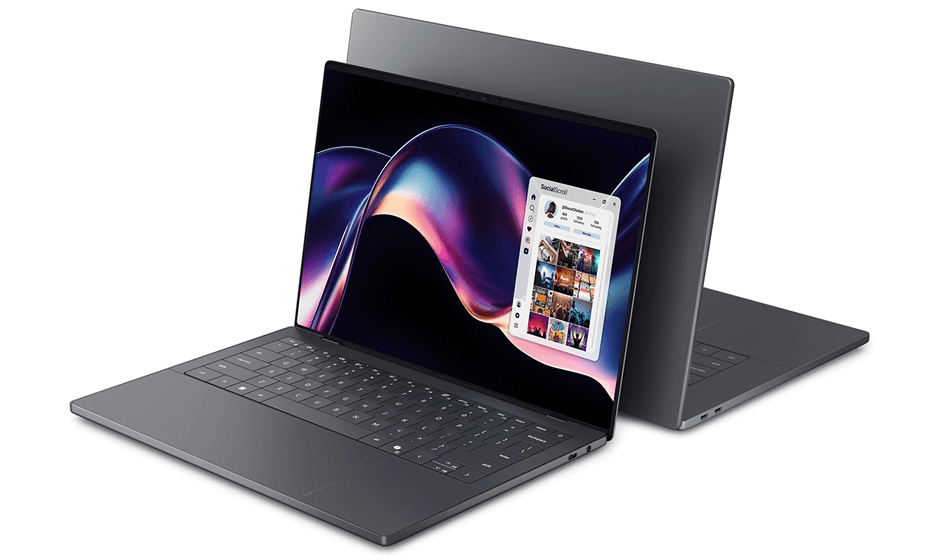
Dell's CES 2026 lineup reflects this strategic pivot. The company revived its XPS laptop series after admitting killing it was a mistake, expanded Alienware's product suite, and introduced two monitors including a 52-inch 6K display. All new devices contain neural processing units but aren't marketed primarily for AI capabilities.
Industry analysts note AI PCs often carry $100 to $300 premiums that deter price-sensitive consumers. Market research from Canalys shows global PC shipments grew modestly in 2025, with AI-specific models accounting for only a fraction of that increase.
The timing of Dell's admission follows Microsoft CEO Satya Nadella's recent criticism of the term "AI slop." Nadella argued companies need to move beyond "slop vs sophistication" debates, but consumer backlash against Windows 11's AI features has grown throughout 2025.
Dell's enterprise business tells a different story. The company's AI server revenue hit record highs in late 2025, with Reuters reporting Dell nearly doubled profit growth targets through 2029 based on data center demand. This enterprise success buffers consumer-side softness.
Competitors HP and Lenovo showcased more tempered AI pitches at CES 2026, focusing on hybrid work solutions rather than futuristic narratives. Microsoft has adjusted its Windows AI strategy to emphasize optional integrations over mandatory hardware specifications.
Dell's stock experienced a minor dip following the CES comments, but analysts remain optimistic about its diversified portfolio. The company's AI infrastructure growth continues to drive enterprise revenue despite consumer indifference to AI PC features.
The consumer electronics sector faces a broader challenge where AI hype has outpaced practical utility. Features like real-time language translation and automated photo editing were positioned as must-haves but failed to resonate with mainstream buyers prioritizing price, battery life, and performance.
Dell's candid admission at CES 2026 could influence broader tech trends toward more measured AI integration. The company now emphasizes core improvements like better displays, ergonomics, and sustainability over generative AI demos that dominated previous industry events.