
Apple released critical updates for older iPhones, Macs, and Apple Watches on February 2, 2026, fixing emergency call failures and extending service support beyond January 2027. The patches address connectivity issues introduced in previous updates while maintaining basic functionality for devices that can no longer run current operating systems.
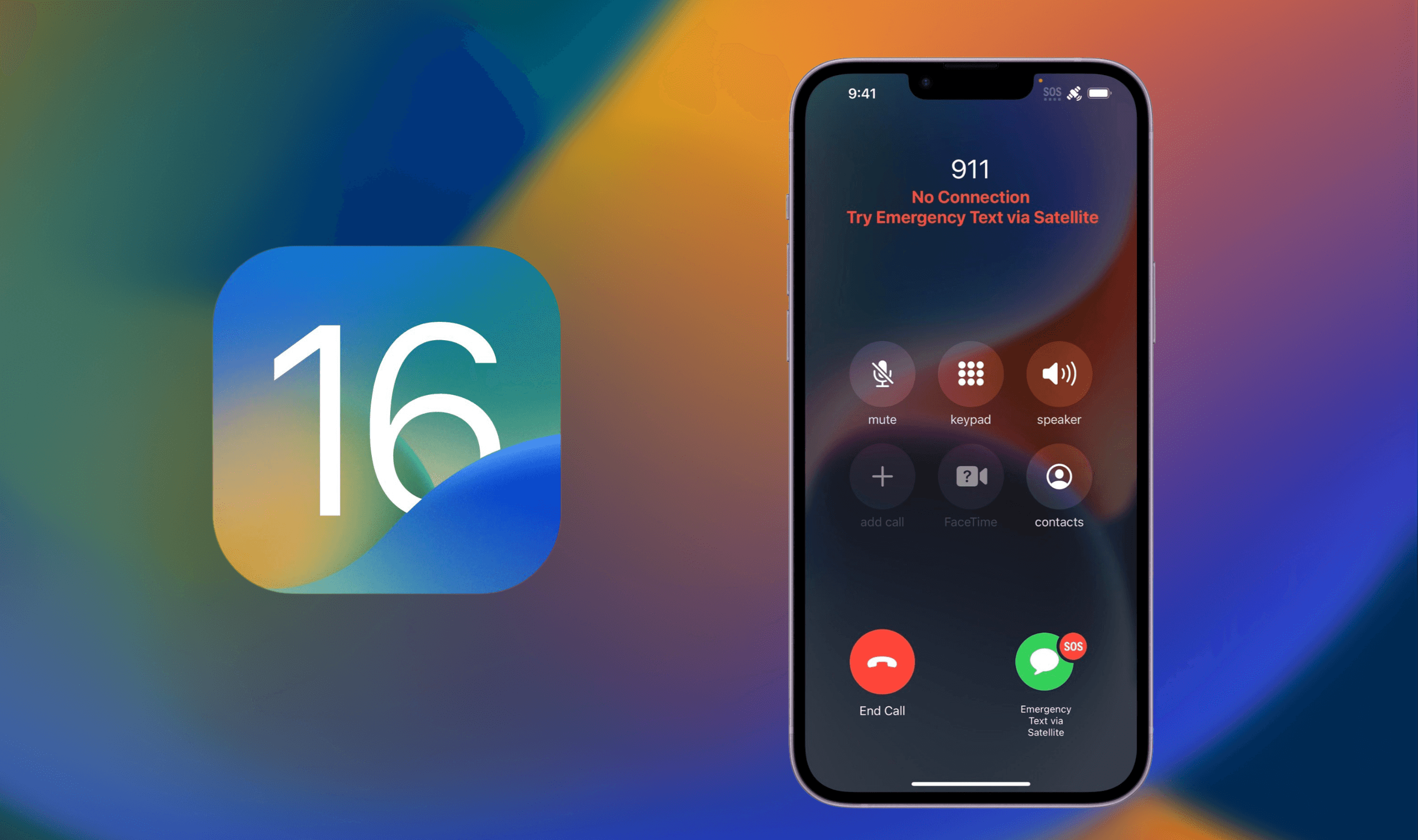
iOS 16.7.14 resolves a network bug that prevented iPhone 8, iPhone 8 Plus, and iPhone X models from making emergency service calls on Australian mobile networks. The previous iOS 16.7.13 build had been withdrawn after carriers including Telstra confirmed connectivity problems affecting emergency services access.
The updates also extend certificate validity for iMessage, FaceTime, and device activation services beyond January 2027. Without these patches, older devices would lose access to core communication functions when current certificates expire later this year.
macOS Big Sur 11.7.11 and macOS Catalina Security Update 2026-001 provide similar certificate extensions for Intel-based Macs that cannot upgrade to macOS 26.
These systems maintain basic functionality without receiving feature updates or security patches for newer vulnerabilities.
Apple Watch models receive watchOS 10.6.2 for Series 4, Series 5, and original SE devices, while watchOS 9.6.4 serves as the final supported release for older watches paired with iOS 16 devices. watchOS 6.3.1 continues support for legacy Apple Watch hardware.
These updates represent Apple's ongoing commitment to maintaining basic service functionality for older hardware. Devices that cannot install iOS 26, macOS 26, or watchOS 11 will retain iMessage, FaceTime, and activation capabilities through at least 2027.
The certificate-focused updates differ from traditional security patches. They do not include new features, interface changes, or protection against recently discovered vulnerabilities. Instead, they ensure continued access to Apple's communication ecosystem for hardware that has reached its official update lifespan.
Users can install the updates through standard software update channels. iPhone owners navigate to Settings > General > Software Update, while Mac users access System Preferences > Software Update.
Apple Watch updates deploy through the Watch app on paired iPhones.
This approach allows Apple to balance development resources between cutting-edge features and legacy support. The company maintains service continuity for customers using older devices as secondary phones, backup computers, or daily communication tools without requiring hardware upgrades.
The emergency call fix specifically addresses regulatory concerns in Australia, where network connectivity issues had prevented access to essential services. Apple's rapid response follows carrier investigations and user reports of failed emergency connections.
Older device support has become increasingly important as Apple extends product lifecycles. Many users continue operating iPhone 8 and X models released in 2017, along with Intel Macs from the Catalina and Big Sur eras.
These updates demonstrate Apple's recognition that device functionality extends beyond official software support periods. By maintaining certificate validity, the company ensures basic communication tools remain available throughout a product's usable lifespan.
The strategy contrasts with Apple's 2020 €25 million fine in France for slowing older iPhones without user notification. Current transparency around update limitations and continued basic service support represents an evolved approach to legacy device management that aligns with Apple's broader business strategy for managing product lifecycles.
Apple's certificate extension program provides a model for balancing innovation with customer retention. Devices maintain core functionality while development focuses on newer platforms, creating a graduated support system that serves both cutting-edge and legacy users.