

Amazon paid $11.6 billion for satellite provider Globalstar this week, securing spectrum rights and infrastructure that extend far beyond consumer internet service. The acquisition positions the cloud giant against SpaceX's Starlink while anchoring future iPhone satellite features through a new partnership with Apple.
Globalstar stockholders will receive either $90 per share in cash or 0.3210 share of Amazon common stock, valuing the deal at approximately $11.57 billion according to CNBC reporting. This marks Amazon's second-largest acquisition by value, trailing only its 2017 purchase of Whole Foods.
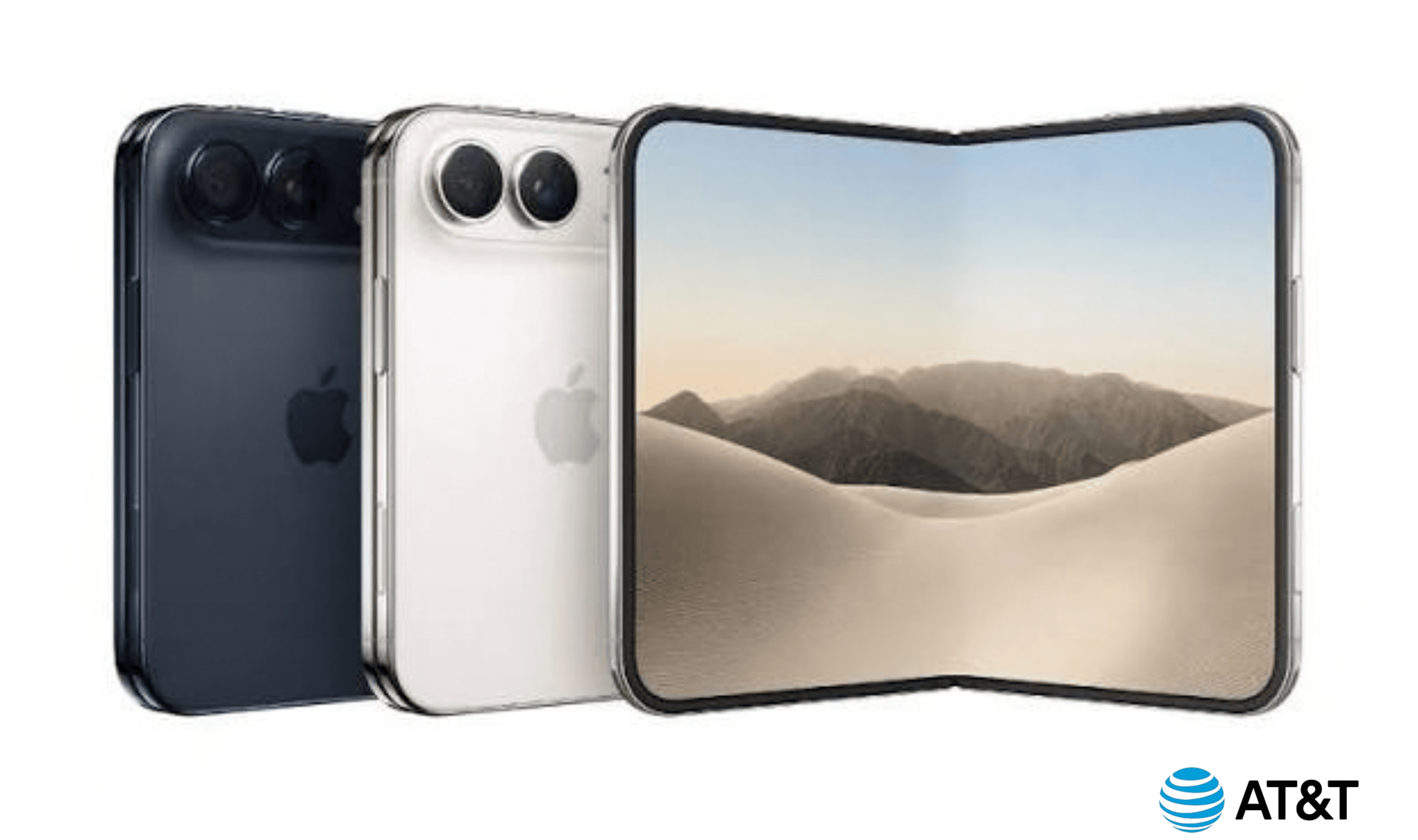
Alongside the purchase, Amazon announced a long-term agreement to power satellite features on future iPhone and Apple Watch models including Emergency SOS, Messages, Find My, and roadside assistance services. Apple retains an existing 20% stake in Globalstar from a $1.5 billion investment made in 2024.
The transaction gives Amazon immediate access to Globalstar's aging but operational low-Earth orbit constellation alongside valuable spectrum licenses with global authorizations. Amazon expects to begin deploying its own direct-to-device satellite system by 2028, combining Globalstar's infrastructure with its Project Kuiper network currently under development.
SpaceX's Starlink currently operates more than 10,000 satellites serving over 9 million users globally, establishing early dominance in the satellite internet market that Amazon now aims to challenge. But connectivity represents only part of Amazon's strategic calculation.
Cloud providers including Amazon, Microsoft, and Google have been quietly developing plans for orbital data centers capable of running AI workloads closer to end users with lower latency than ground-based facilities can achieve. Globalstar's licensed spectrum and existing LEO infrastructure provide exactly the platform needed for commercial orbital compute networks.
SpaceX is preparing for an initial public offering targeting a $1.75 trillion valuation according to investor reports, which would provide Elon Musk with billions in new capital to expand Starlink's capabilities including potential orbital compute nodes.
Amazon secured this deal before SpaceX goes public and before Musk gains access to public market funding for space-based infrastructure expansion. The company now controls licensed spectrum that would otherwise require lengthy regulatory approval processes.
Globalstar was actively seeking a buyer to remain competitive against newer satellite operators like AST SpaceMobile and SpaceX's rapidly expanding constellation. Its existing fleet will operate alongside Amazon's Project Kuiper satellites once integration completes around 2027.
FCC Chairman Brendan Carr told CNBC the agency will review Amazon's Globalstar acquisition but emphasized regulatory openness to space-based innovation including potential orbital data center deployments.