
That "Unfortunately, the keyboard has stopped" message popping up on your Motorola Edge 40 can really stop you in your tracks. It's a common Android hiccup, but it's usually something you can fix yourself without too much fuss.
Restart the Keyboard App
Let's start with the quickest fix. Force stopping the keyboard app clears out any temporary glitch that's causing it to crash. On your Edge 40, open Settings and go to Apps.
Tap See all apps and find your keyboard in the list. If you're using the default, it might be called Gboard or something similar. Tap on it, then tap Force Stop and confirm. Try opening an app to type something right after.
Give Your Phone a Quick Reboot
If the app restart didn't do it, a full phone reboot is the next logical step. It clears the system's working memory and can resolve a surprising number of small software conflicts. Just press and hold the power button, then tap Restart.
For a more thorough refresh, you can perform a force restart. Press and hold the Volume Down button and the Power button together for about 10 to 15 seconds. Let go when you see the Motorola logo appear on the screen.
Clear the Keyboard's Cache and Data
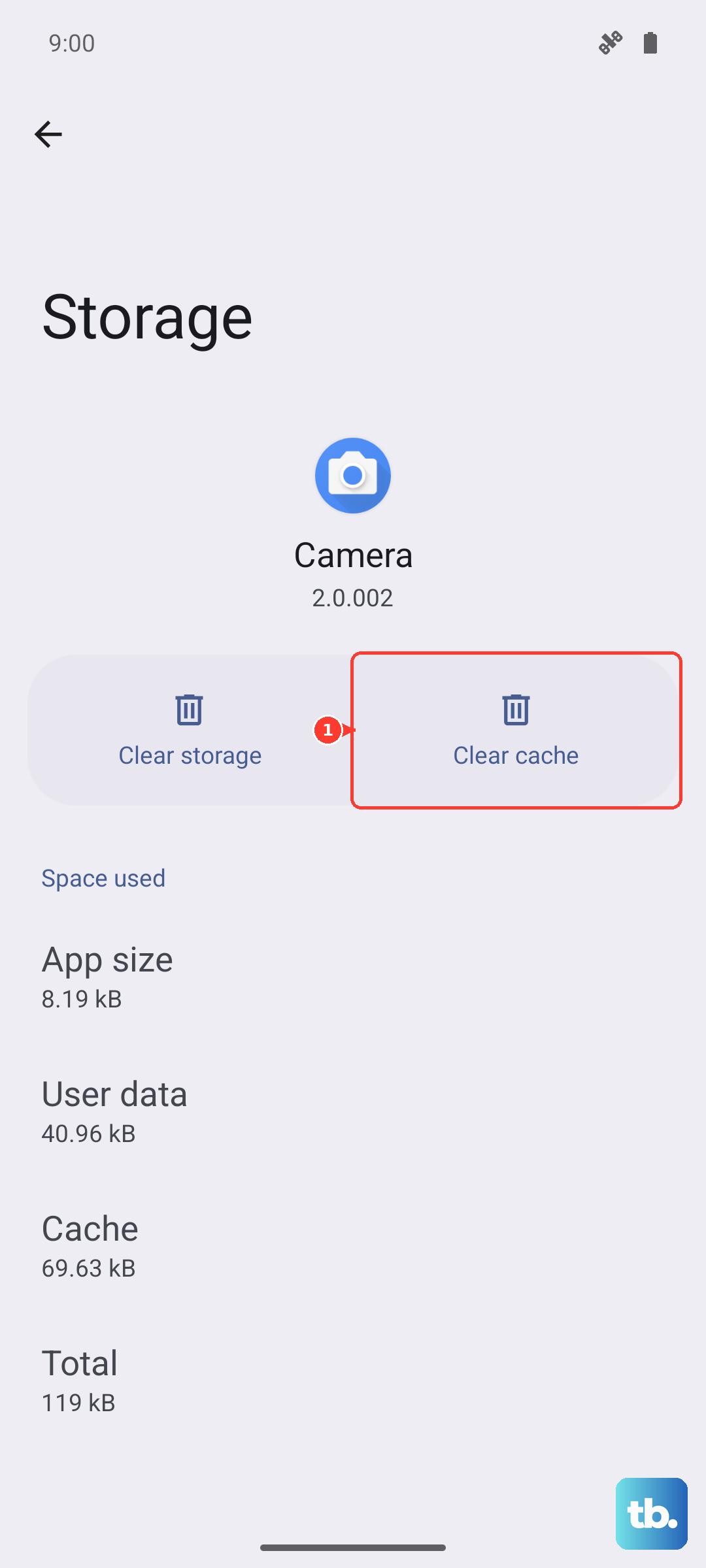
Corrupted temporary files are a frequent culprit. Clearing the cache is safe, it just removes junk data. Clearing the data will reset the keyboard to its default settings, so you'll lose any custom dictionaries or preferences.
Go back to Settings > Apps > [Your Keyboard App] > Storage & cache. Tap Clear cache first and test the keyboard. If it's still failing, come back and tap Clear storage or Clear data.
Check for Keyboard Updates
An outdated keyboard app can have bugs that newer system updates expose. Open the Google Play Store and tap your profile icon in the top right. Go to Manage apps & device and look under updates available.
If your keyboard app is listed, update it. I'd also recommend enabling auto-update for it to prevent this issue in the future.
Try a Different Keyboard App
This is a great way to figure out if the problem is with your specific keyboard app or with the system itself. Installing a popular alternative like Microsoft SwiftKey or even another version of Gboard from the Play Store gives you an immediate workaround.
Once installed, you'll need to enable it. Go to Settings > System > Languages & input > On-screen keyboard and toggle on the new keyboard you installed.
Update Your Motorola Edge 40's Software
System updates often contain fixes for app compatibility issues, including keyboard problems. Motorola is generally good about pushing out optimizations for their devices.
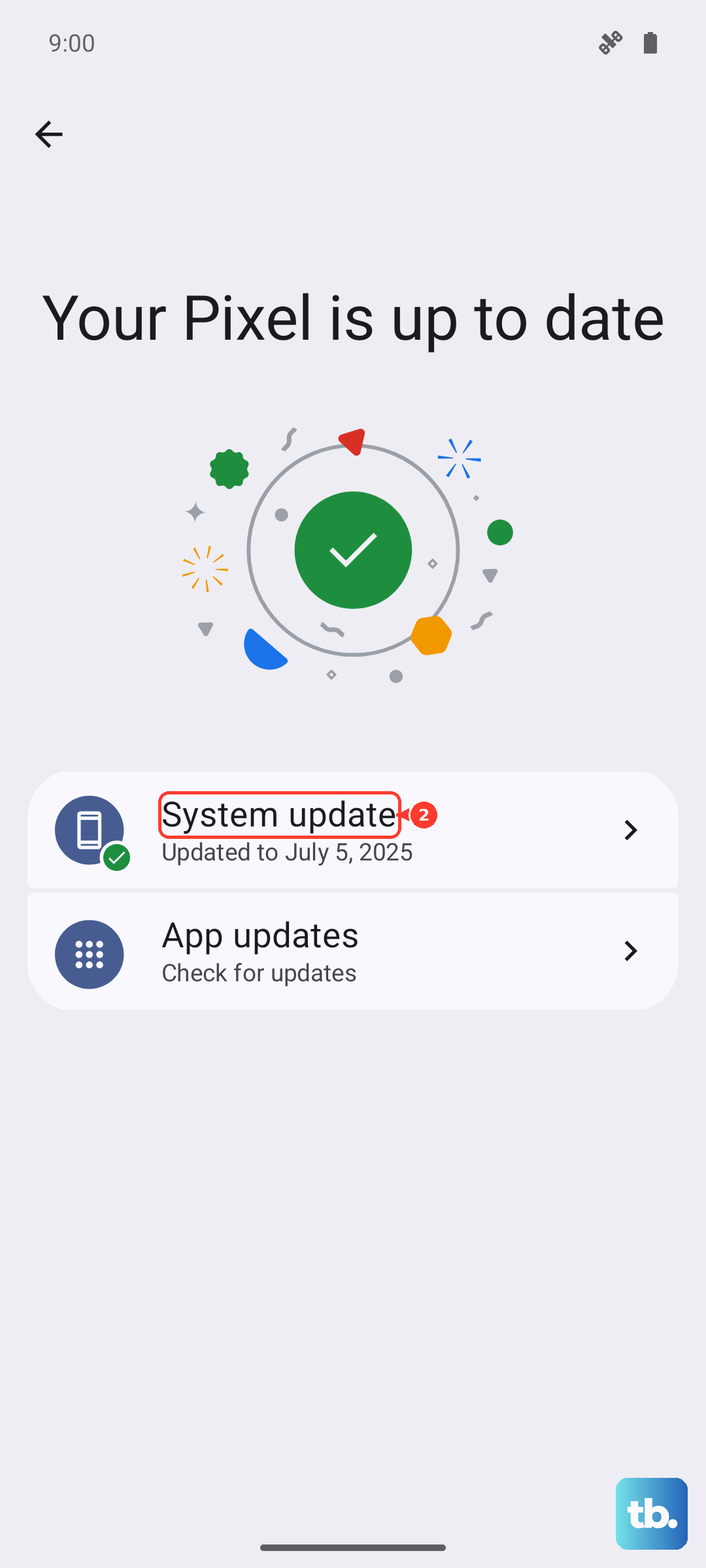
On your phone, go to Settings > System > System updates. Tap Check for update. If one is available, I'd suggest installing it while connected to Wi-Fi and with decent battery life.
Boot Into Safe Mode
Safe mode temporarily disables all third-party apps you've downloaded. If your keyboard works perfectly in safe mode, you know one of your installed apps is causing a conflict.
To enter safe mode, press and hold the power button until the power off menu appears. Then, tap and hold the Power off option on your screen. You'll get a prompt to reboot to safe mode, tap OK. To exit, just restart your phone normally.
Reset All App Preferences
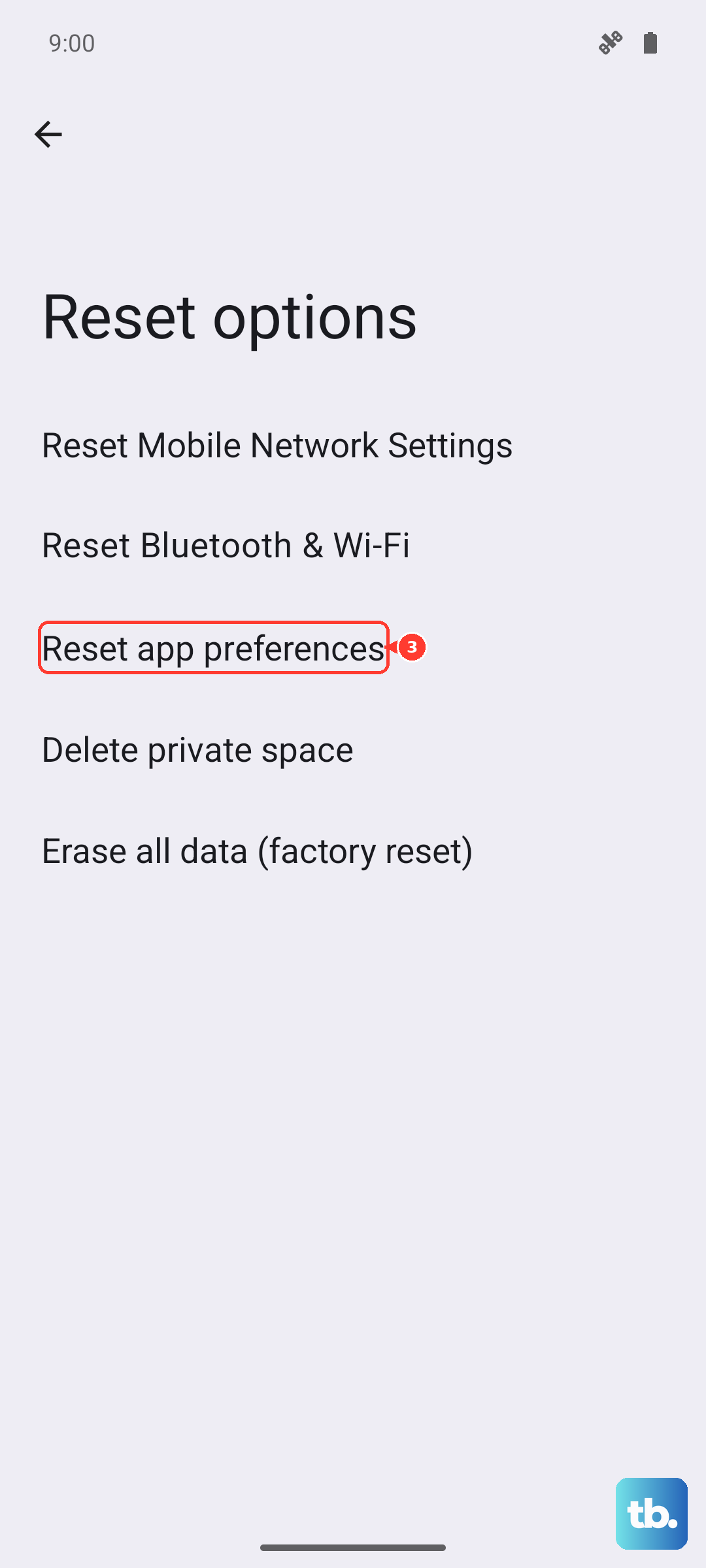
This is less drastic than a factory reset. It resets permissions, default apps, and background restrictions back to their original settings. It won't delete any of your personal data like photos or messages.
Navigate to Settings > System > Reset options. Tap on Reset app preferences and confirm. After your phone reboots, you'll need to re-grant permissions to apps as you use them.
Check for Conflicting Accessibility Services
Sometimes services like password managers, screen readers, or other tools that interact with text input can interfere with the keyboard. It's worth checking if you have any of these enabled.
Go to Settings > Accessibility. Look through the list of installed services and try temporarily turning off any that aren't absolutely essential. Test your keyboard after disabling each one to see if it resolves the issue.