
When your Motorola Edge 40 GPS stops locking on, it can leave you stranded mid-navigation. This is usually a quick software fix, not a sign of a broken phone. I'd start with the simplest steps first, as they resolve most issues in under a minute.
Refresh Your GPS Connection
Pull down the Quick Settings panel from the top of your screen. Tap the Location icon to turn it off, wait about ten seconds, and then tap it again to turn it back on. This forces the GPS radio to reset and reacquire satellites, which often clears up a temporary glitch.
If that doesn't do it, try a quick restart. Press and hold the power button, then tap "Restart" on your screen. This clears out any minor system hiccups that might be interfering with location services.
Check Your Location Mode and Permissions
Your Edge 40 has a few different location accuracy modes. For the best GPS performance, especially for turn-by-turn navigation, you'll want it set to High Accuracy. Open Settings > Location and make sure "Use location" is on.
Then, tap on "Location services" or "Mode" and select High accuracy. This mode uses GPS satellites, Wi-Fi, and mobile networks together to give you the fastest, most precise lock.
Next, verify your apps have permission. Go to Settings > Apps and select your navigation app, like Google Maps or Waze. Tap Permissions and ensure "Location" is set to "Allow all the time" or "Allow only while using the app."
Disable Battery Optimization for Navigation
Android's battery saving features can sometimes limit background GPS activity. If you notice your location dropping when the screen is off, this is a likely culprit. Go to Settings > Battery and make sure any battery saver or adaptive battery mode is turned off while you need navigation.
For a more permanent fix for your maps app, go to Settings > Apps > [Your Maps App] > Battery. Change the setting from "Optimized" to Unrestricted. This tells the system not to restrict the app's background activity.
Reset Network and Location Services
A broader network reset can help if there's a conflict with your radio connections. Swipe down for Quick Settings and tap the Airplane mode icon. Wait 15-20 seconds for all radios to fully disable, then tap it again to turn Airplane mode off.
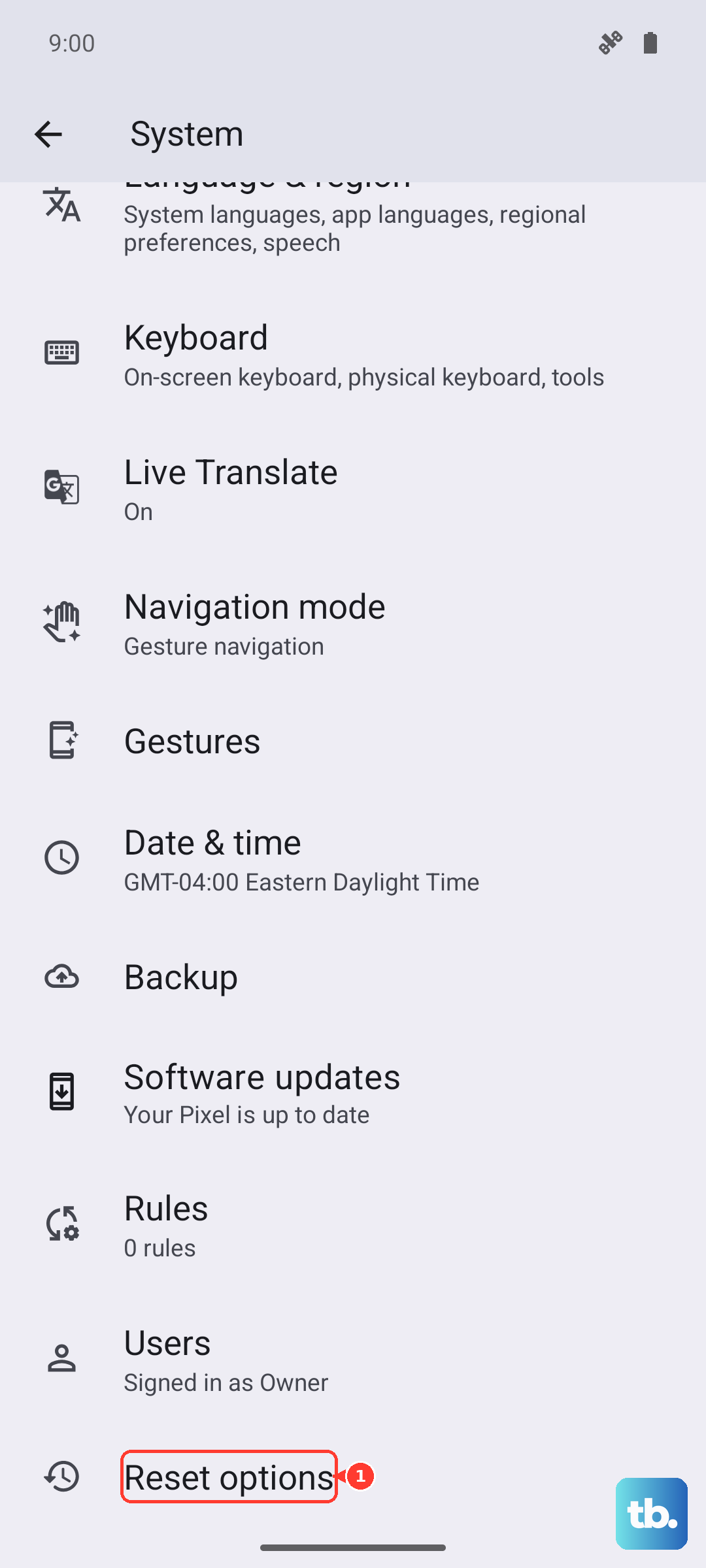
For a deeper reset, you can refresh your network settings. Go to Settings > System > Reset options. Tap on Reset Wi-Fi, mobile & Bluetooth. You'll need to re-enter Wi-Fi passwords and re-pair Bluetooth devices afterward, but it can resolve persistent location bugs.
Update Your Software and Apps
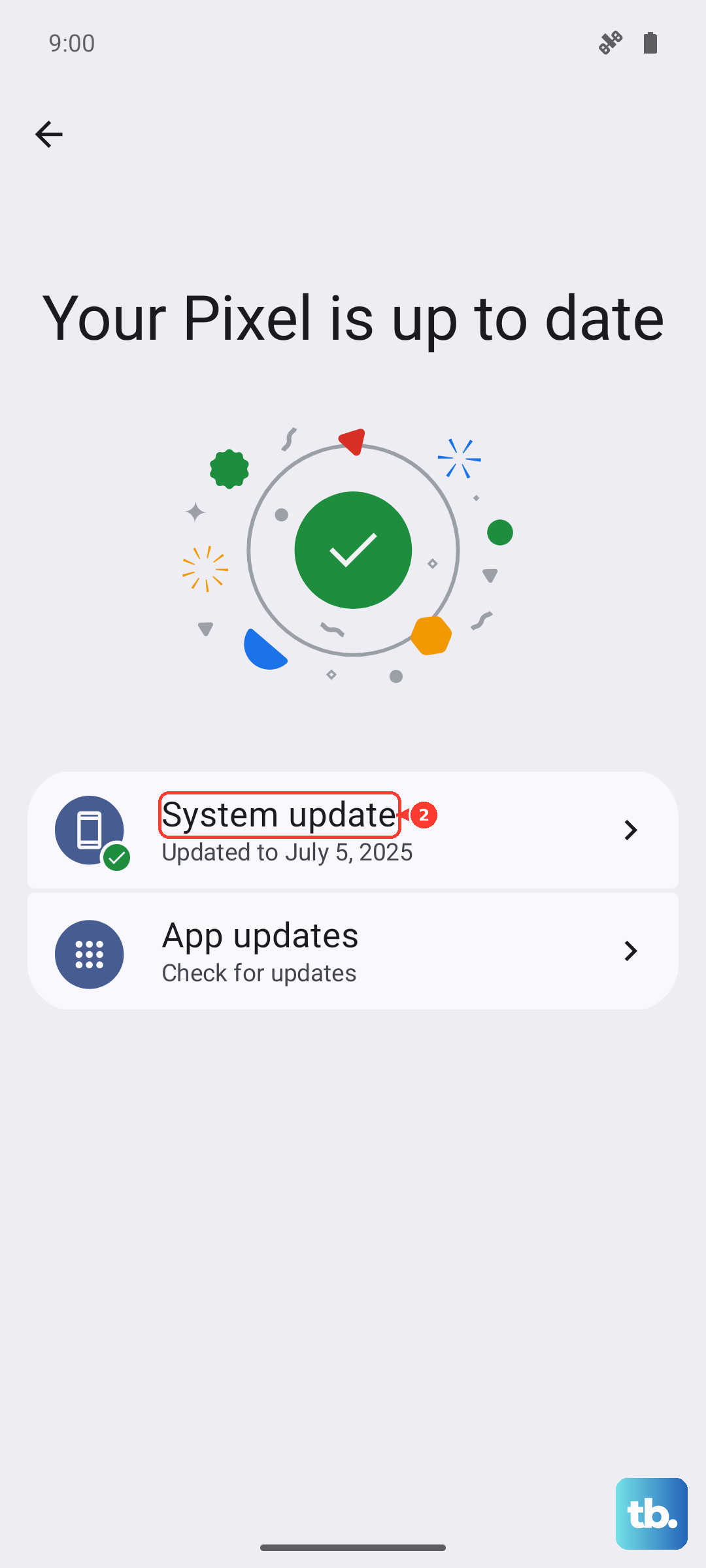
Outdated software is a common source of GPS problems. Motorola and Google regularly release updates that fix bugs and improve location accuracy. Check for a system update by going to Settings > System > System updates.
Also, head to the Google Play Store, tap your profile icon, and select "Manage apps & device." Install any pending updates, especially for Google Play Services and Google Maps, as these are core to your phone's location functionality.
Clear the App Cache and Data
If a specific app is acting up, its stored data might be corrupted. Go to Settings > Apps and select the problematic app. Tap Storage & cache, then hit Clear cache. This deletes temporary files without affecting your saved data.
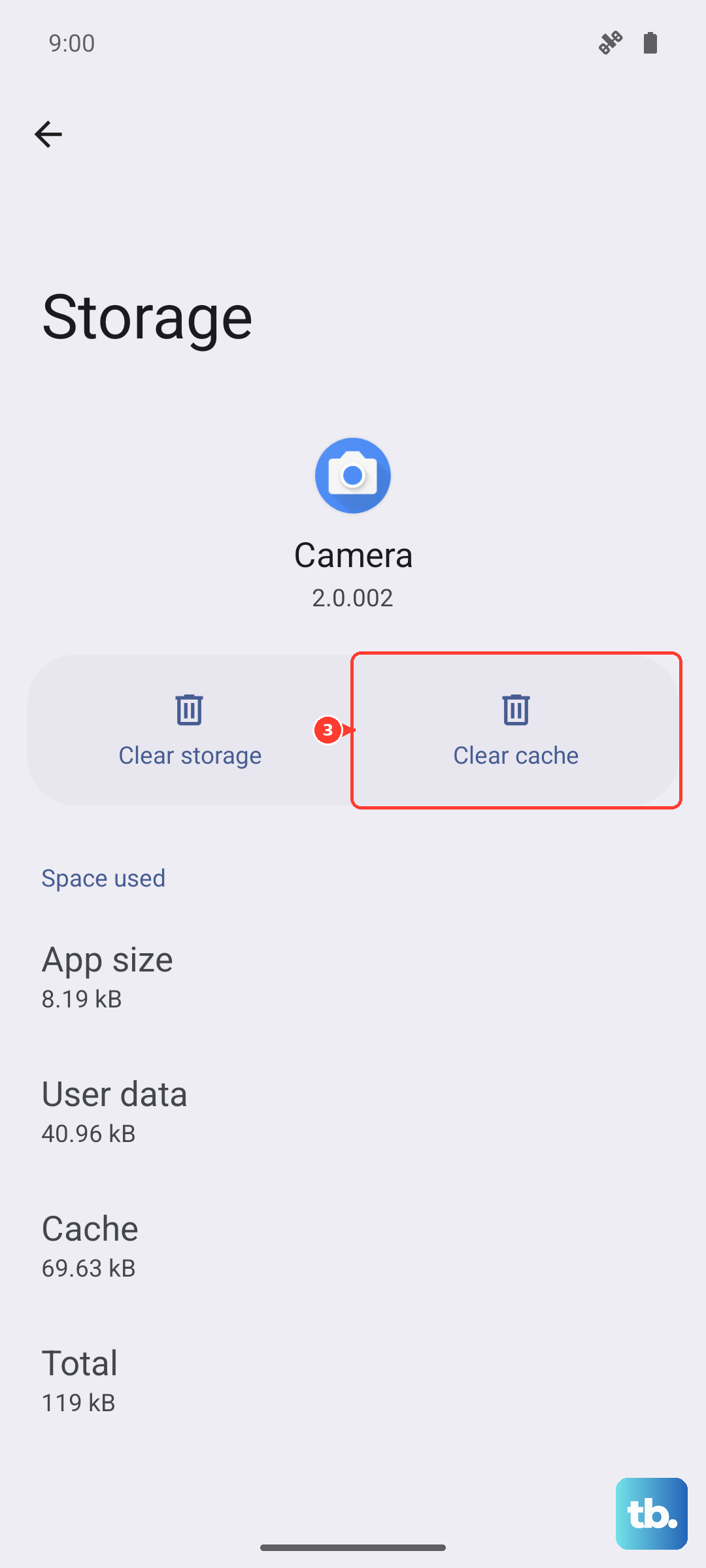
If the GPS is still broken in that app, you can tap Clear storage or Clear data. Be aware this will reset the app to its default state, so you may lose saved addresses or preferences within the app.
Test in Safe Mode
This helps you figure out if a third-party app you installed is causing the trouble. Press and hold the power button until the power menu appears. Then, tap and hold the "Power off" option on your screen until you see a prompt to reboot into Safe Mode.
Tap "OK." Once booted, you'll see "Safe mode" in the bottom corner. Try using your GPS now. If it works perfectly in Safe Mode, a recently downloaded app is likely the culprit. Restart your phone normally to exit Safe Mode and try uninstalling apps one by one to find the offender.
Check for Physical and Environmental Issues
GPS signals are line-of-sight to satellites. Thick metal phone cases, especially ones with magnetic closures or plates, can interfere with the antenna. Try removing your case to see if accuracy improves.
Your environment matters too. Being inside a building, in a dense urban area with tall buildings, or under heavy tree cover can weaken or block signals. Move to an open area with a clear view of the sky for the best results.
Use a GPS Diagnostic Tool
To see what's happening behind the scenes, download a free app like "GPS Test" or "GPS Essentials" from the Play Store. Open it and look for a screen showing satellites.
If the app shows your phone connecting to multiple satellites (the bars fill in) but your maps app still can't get a fix, the problem is software-related in the app or OS. If the diagnostic app shows zero satellites, even outdoors, there could be a deeper system or hardware issue.
Perform a System Cache Wipe
This clears temporary system files that can sometimes become corrupted. First, power off your Motorola Edge 40. Press and hold the Volume Down button and the Power button together until the Motorola logo appears, then release.
You'll see a screen with "No Command." Press and hold the Power button, then tap the Volume Up button once and release both. Use the volume buttons to highlight "Wipe cache partition," then press the power button to select it. Confirm and reboot.