
A touchpad that stops working on a gaming laptop like the Legion Pro 16 is a major roadblock, pulling you out of the game. Whether the cursor is frozen, taps aren't registering, or multi-finger gestures are gone, you can usually get it back with a few checks.
Toggle the Touchpad On
First, check if you accidentally disabled it. On the Legion Pro 16, you can quickly toggle the touchpad by pressing Fn + F10. Look for an on-screen indicator or a light on the key itself. Also, head into Windows Settings > Bluetooth & devices > Touchpad and make sure the main switch at the top is turned on.
Perform a Full Restart
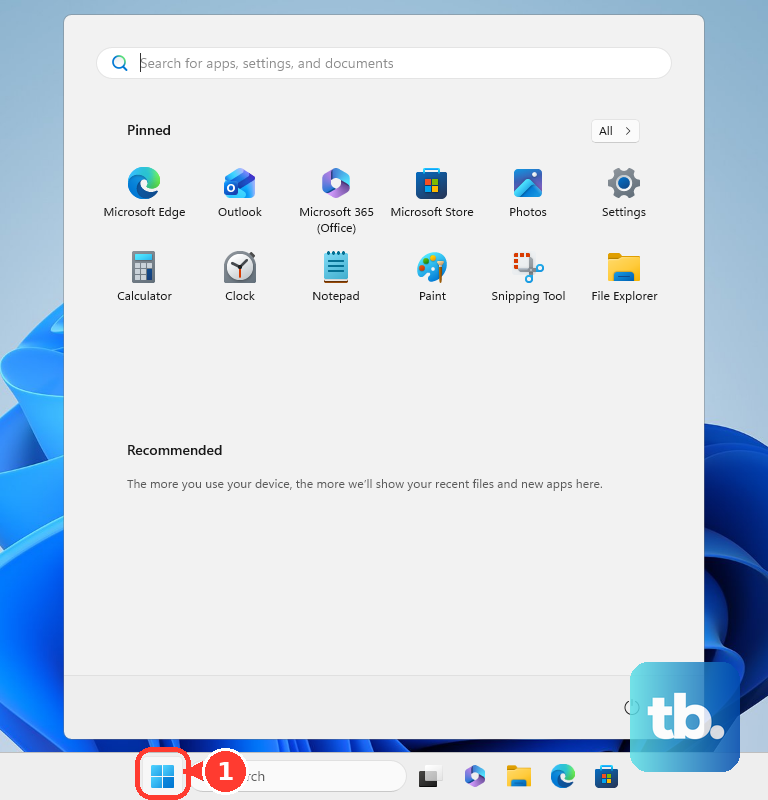
If the touchpad glitched after waking from sleep or a game, a full restart is your best first fix. It clears the system's memory and reloads all drivers, including the one for your touchpad. Use your keyboard to navigate: press the Windows key, tab to the power icon, select restart, and hit Enter.
Disconnect Any External Mouse
Windows has a setting that can automatically disable the internal touchpad when an external mouse is connected. Unplug any USB mouse or disconnect your Bluetooth mouse. Then, go to Settings > Bluetooth & devices > Touchpad and look for the setting that says "Leave touchpad on when a mouse is connected" to make sure it's checked for the future.
Update Your Touchpad Driver
Outdated or corrupted drivers are a common culprit. Press the Windows key + X and select Device Manager. Expand the "Mice and other pointing devices" section. Right-click on the device listed (it might be called a Precision Touchpad or Synaptics device) and choose Update driver. For the most reliable fix, I'd download the latest driver directly from the Lenovo Support website using your laptop's serial number.
Check the Legion Space App
Since the Legion Pro 16 is managed through the Legion Space software, it's worth a look. Open the Legion Space app and navigate through the settings. Look for any system controls or performance profiles that might affect input devices. Sometimes, a specific performance mode can have unintended effects on hardware drivers.
Clean the Touchpad Surface
Gaming sessions can leave behind oils and moisture. A dirty touchpad surface will often behave erratically. Power down the laptop, then gently wipe the touchpad with a dry, soft microfiber cloth. If needed, slightly dampen a corner of the cloth with water, wipe the surface, and immediately dry it with another part of the cloth.
Inspect BIOS Settings
The touchpad can be disabled at a hardware level in the BIOS. To check, restart your Legion Pro 16 and immediately press the F2 key repeatedly to enter the BIOS. You can also use the Novo button on the side of the laptop when it's off. Once in the BIOS, look for a Configuration or Advanced menu and find an option for the Internal Pointing Device. Make sure it is set to Enabled.
Reinstall the Touchpad Driver
If updating didn't work, try a clean reinstall. Go back to Device Manager under "Mice and other pointing devices." Right-click the touchpad driver and select Uninstall device. Check the box that says "Attempt to remove the driver software" if it appears, then restart your laptop. Windows will install a basic driver upon reboot. After that, install the official driver from Lenovo's site for full functionality.
Run a System Scan
Corrupted Windows system files can cause all sorts of hardware issues. Open the Start menu, type cmd, right-click on Command Prompt, and select Run as administrator. In the window, type sfc /scannow and press Enter. Let the scan complete and repair any files it finds, then restart your laptop.
Consider Hardware Issues
If the touchpad is completely dead, no response in the BIOS, during startup, or in Windows Safe Mode, it could be a hardware problem. The internal ribbon cable connecting the touchpad to the motherboard can come loose, especially if the laptop has been moved around a lot. In this case, the fix would require opening the chassis to reseat the cable or seeking professional repair.