
When your iPhone 16 starts restarting on its own, it's more than just an annoyance. It can interrupt calls, disrupt your work, and make the phone feel unreliable. This behavior is often tied to software, especially with a new operating system like iOS 26, but it's worth methodically checking a few things.
Before you dive into any fixes that might erase data, it's a good idea to make sure you have a recent backup. You can do this quickly through iCloud by going to Settings > [Your Name] > iCloud > iCloud Backup and tapping Back Up Now.
Perform a Force Restart
This is almost always the first thing I'd try. A force restart clears the phone's temporary memory and can stop a minor software glitch in its tracks. For the iPhone 16, the process is straightforward.
Quickly press and release the Volume Up button. Then, quickly press and release the Volume Down button. Finally, press and hold the Side button. Keep holding it until you see the Apple logo appear, then you can let go.
Check for App Updates and Issues
Third-party apps that haven't been optimized for iOS 26 are a common trigger for random restarts. Start by updating everything. Open the App Store, tap your profile icon in the top right, and scroll down to see pending updates. Tap Update All.
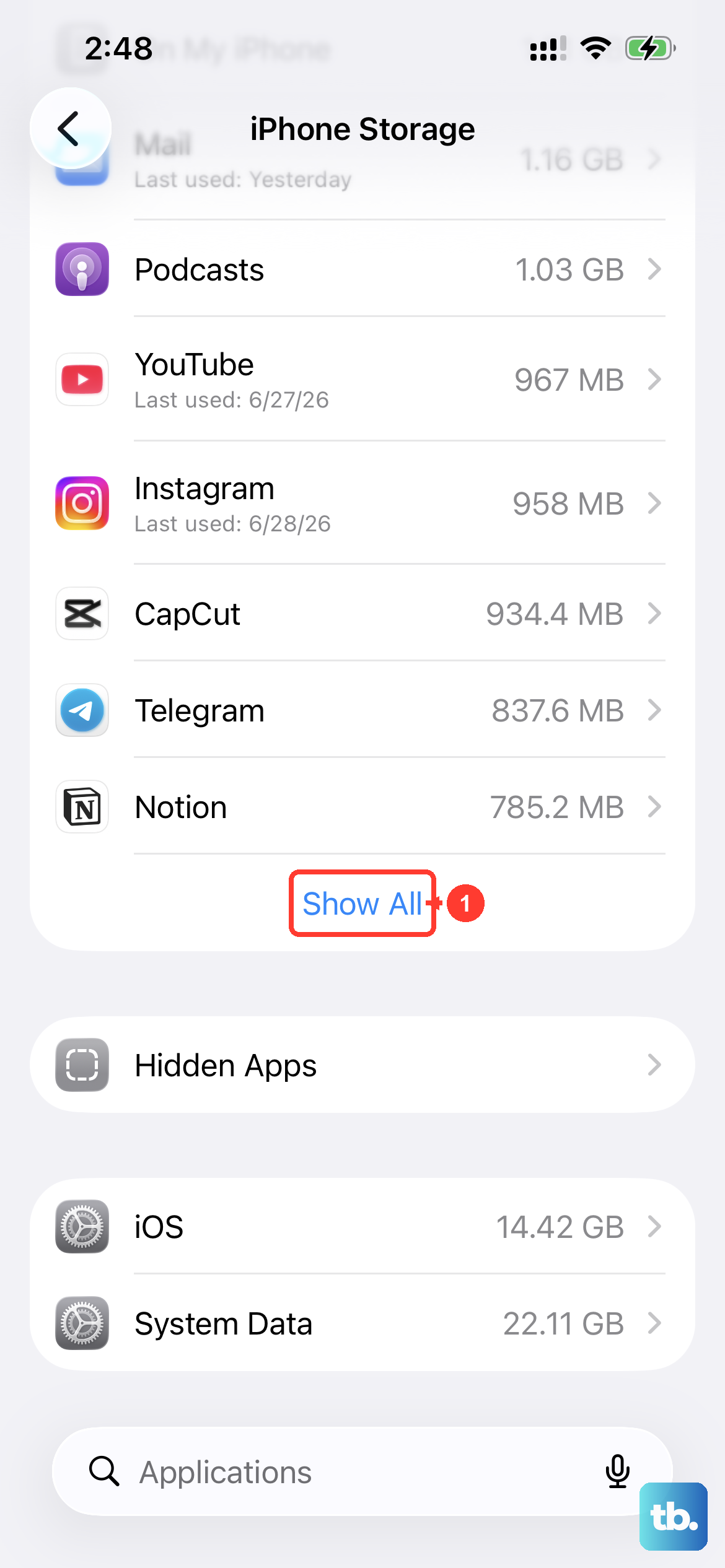
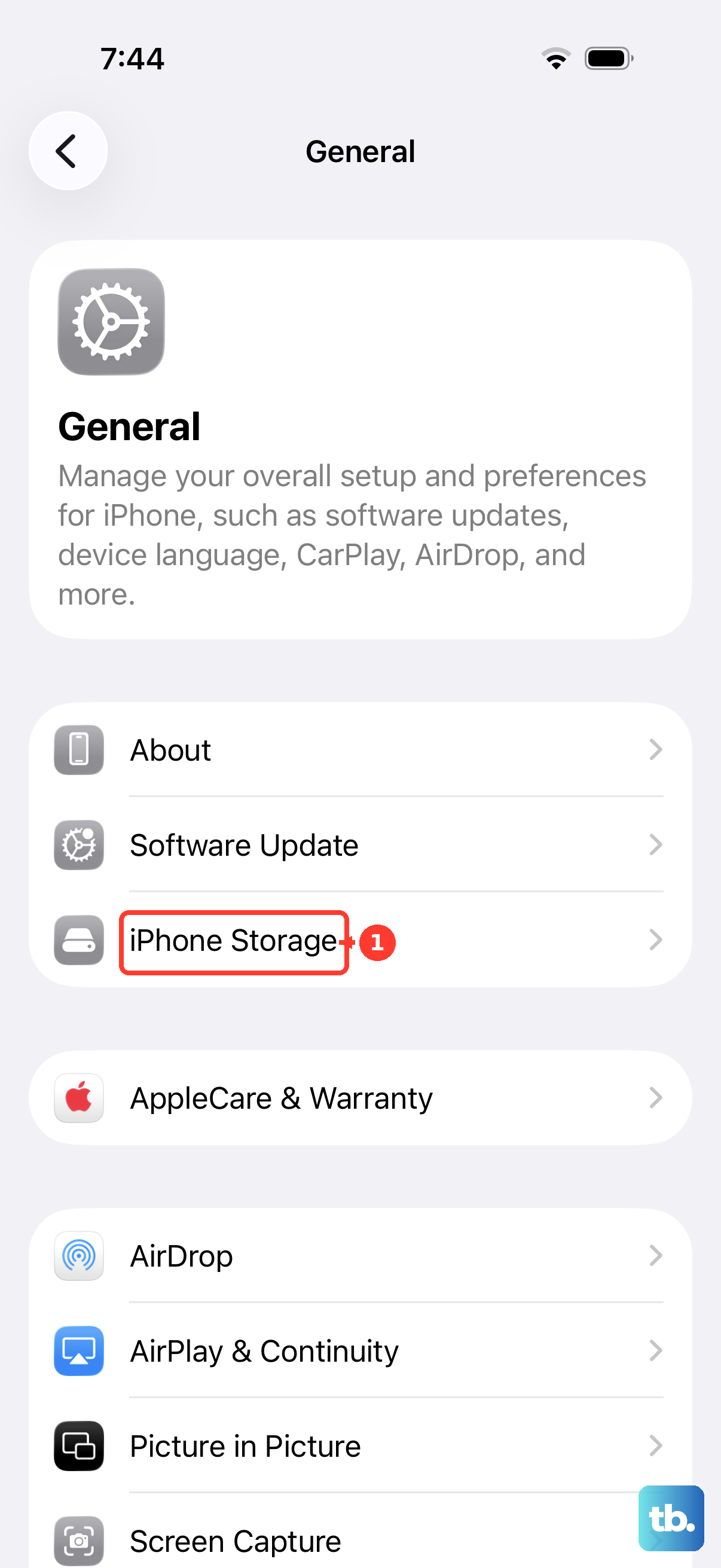
If the restarts seem to happen while using a specific app, you can try offloading it. This removes the app but keeps its documents and data. Go to Settings > General > iPhone Storage, find the app, and select Offload App. You can reinstall it later from the App Store to see if the issue returns.
Install the Latest iOS Update
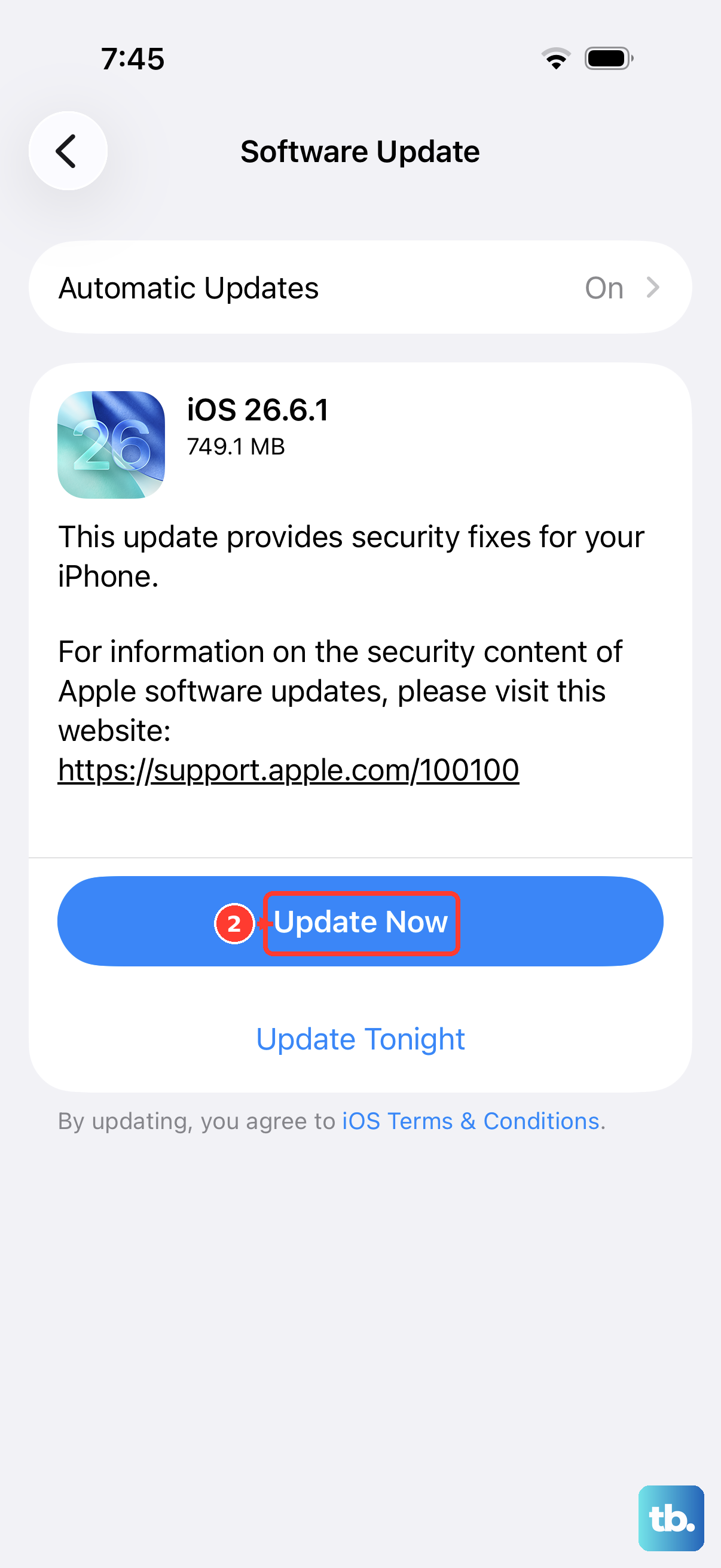
Apple frequently releases iOS updates to patch bugs that can cause system instability. Since the iPhone 16 ships with iOS 26, there will likely be several point updates in its first year to address these kinds of issues.
Go to Settings > General > Software Update. If an update is available, tap Download and Install. It's best to do this while your phone is connected to Wi-Fi and a power source.
Review Analytics Data for Clues
Your iPhone 16 keeps detailed logs of every crash and system panic. You can look at these logs yourself to see if a particular app or process is named. Navigate to Settings > Privacy & Security > Analytics & Improvements > Analytics Data.
Scroll through the list and look for entries that start with "panic-full" or that include the name of an app you use frequently followed by the word "crash." This can point you directly to the culprit.
Free Up Storage Space on Your Device
When your iPhone's storage is critically full, the operating system doesn't have room to work properly, which can lead to crashes and restarts. Head to Settings > General > iPhone Storage.
The system will show you a breakdown and often provide recommendations, like reviewing large attachments in Messages or enabling iCloud Photos. Clearing out a few gigabytes can sometimes make all the difference.
Reset All Settings
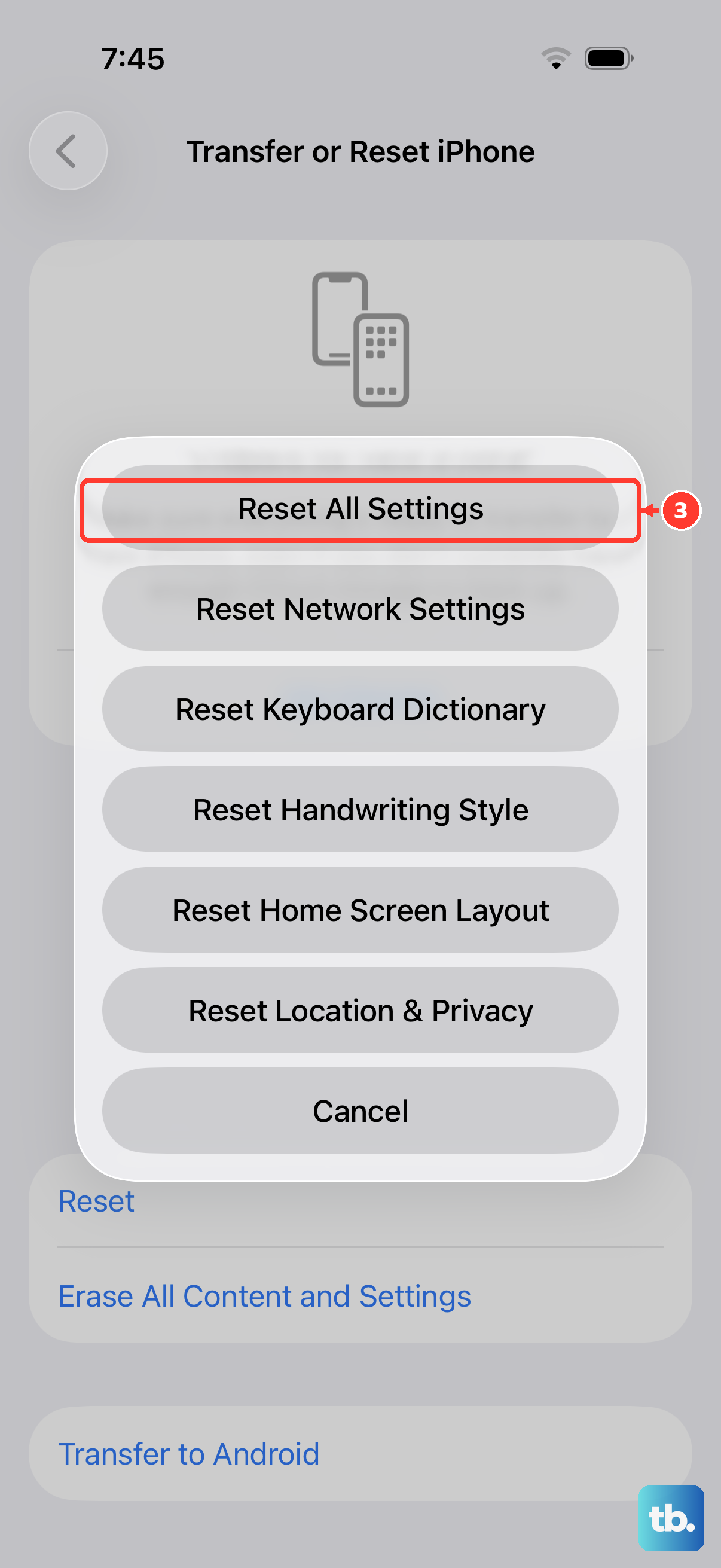
If the problem persists, resetting all settings can help. This won't delete your personal data like photos or messages, but it will revert all system settings back to their defaults. That includes Wi-Fi passwords, wallpaper, privacy permissions, and keyboard dictionaries.
To do this, go to Settings > General > Transfer or Reset iPhone. Tap Reset and then choose Reset All Settings. You'll need to enter your passcode to confirm.
Check for Overheating
The iPhone 16's powerful chip can generate heat, especially during intensive tasks like gaming or video editing. As a safety measure, iOS will automatically restart the device if it gets too hot. If your restarts happen during heavy use, feel the back of the phone.
If it's very warm to the touch, let it cool down in a shaded area. Remove any thick case that might be trapping heat. This is a protective feature, not necessarily a defect.
Restore via Recovery Mode
For persistent restart loops that won't stop, you may need to use Recovery Mode to restore iOS. This is a more thorough process that will erase your phone, so ensure you have that backup we mentioned first.
Connect your iPhone 16 to a Mac or PC with a USB-C cable. Open Finder on a Mac (or iTunes on a Windows PC). Quickly press and release the Volume Up button, then quickly press and release the Volume Down button. Immediately press and hold the Side button.
Keep holding the Side button even after you see the Apple logo. Wait until you see the Recovery Mode screen (a cable pointing to a computer icon), then you can release the button. Your computer will give you the option to Update or Restore. Choose Restore to install a fresh copy of iOS.
Inspect the SIM Card
A faulty or improperly seated SIM card can sometimes cause communication errors that lead to a restart. It's a simple thing to check. Locate the SIM tray on the left side of your iPhone 16 and use a paperclip or SIM eject tool to pop it open.
Remove the SIM card and gently clean the gold contacts with a soft, dry cloth. Look for any obvious signs of damage on the card itself. Reinsert the SIM card carefully, ensuring it's seated flat in the tray, and push the tray back into the phone.