
When your iPhone 15 gets stuck on an update, it's a common roadblock. You might see a download that won't start, an error message, or an install that fails partway through. The good news is there are several straightforward ways to get things moving again.
Free Up Storage Space on Your iPhone 15
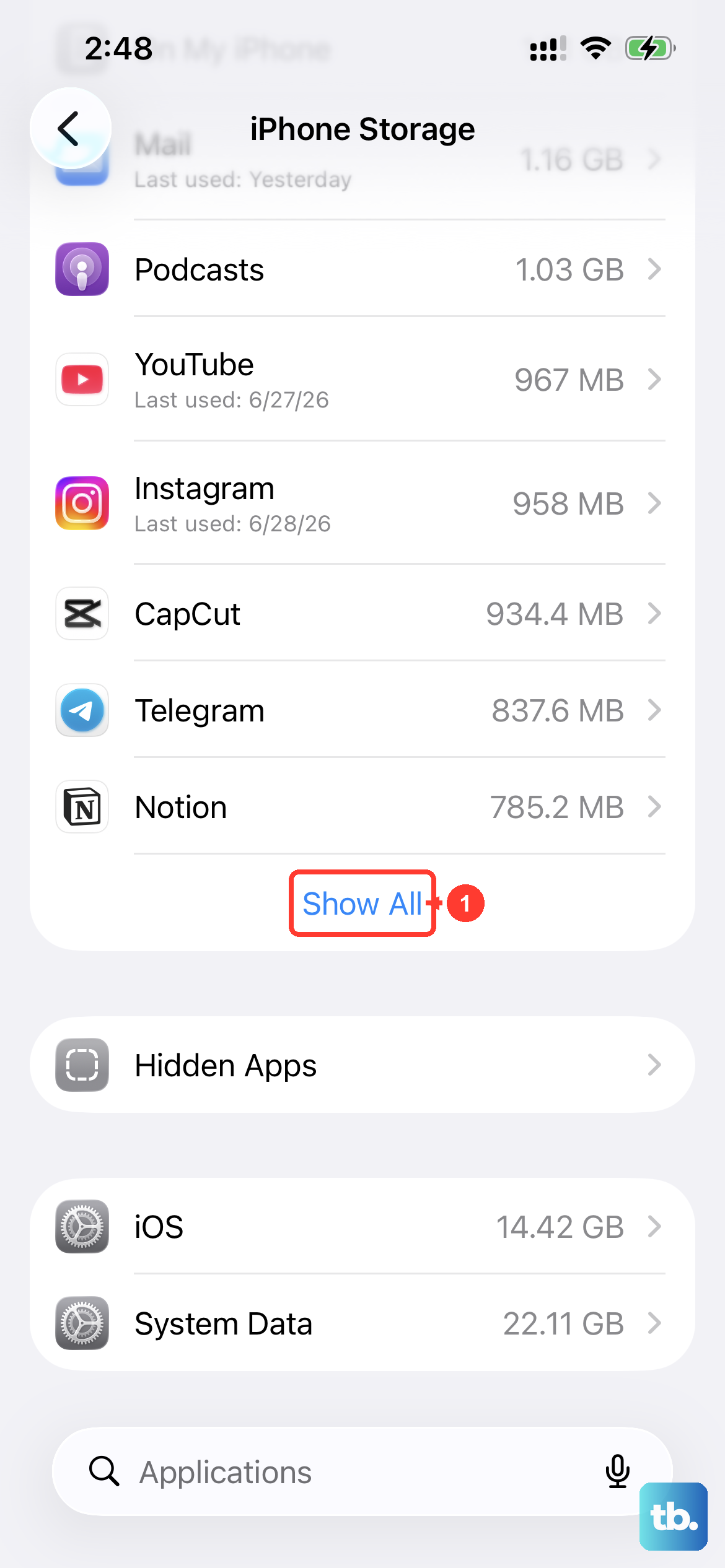
iOS updates need a surprising amount of free space to download and unpack. Head to Settings > General > iPhone Storage to see what's available. For a major update, make sure you have enough available storage; if prompted to temporarily remove apps, tap Continue.
If you're short, the quickest fix is to offload unused apps. This removes the app but keeps its documents and data. You can also review large video files in Photos or clear out old message threads to make room.
Delete the Downloaded Update File
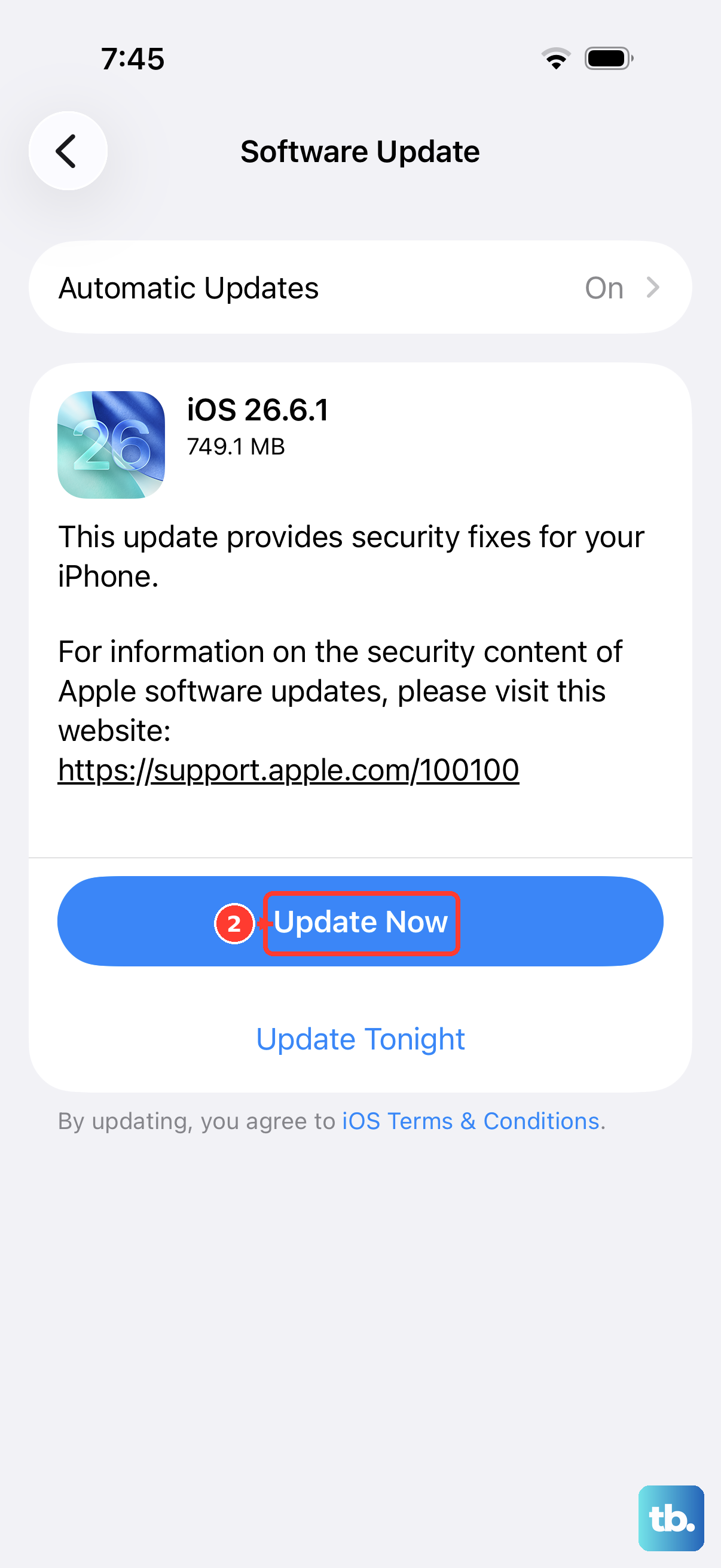
If the update still won't install, delete the downloaded update and try downloading it again. Go back into Settings > General > iPhone Storage and scroll down the list.
Look for the iOS update file, tap on it, and select Delete Update. After it's gone, navigate to Settings > General > Software Update to start a fresh download. If the update isn't listed or the problem returns, update using a computer.
Restart Your iPhone 15
A simple restart can clear out temporary glitches that interfere with the update process. To force restart, press and quickly release the Volume Up button, press and quickly release the Volume Down button, then press and hold the side button until you see the Apple logo appear.
Once it boots back up, go straight to Settings > General > Software Update and try again. If "Unable to Check for Update" appears again, try another network or update using a computer.
Check Your Wi-Fi Connection
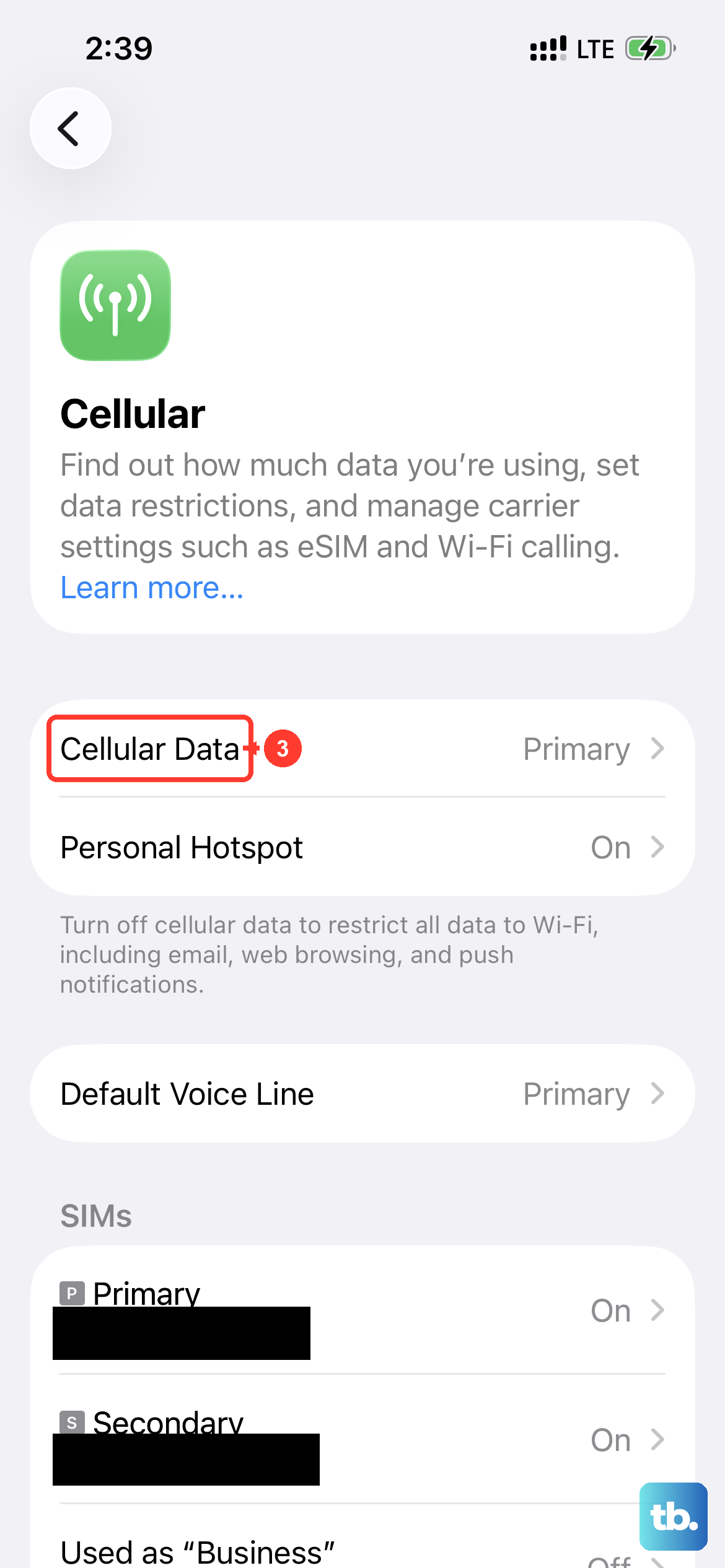
Your iPhone 15 works best on a stable Wi-Fi connection to download updates, but because it's a 5G iPhone it can also download them over cellular if you turn on Allow More Data on 5G in Settings > Cellular > Cellular Data Options > Data Mode. Make sure you're connected and test the speed by loading a webpage in Safari.
If the connection seems slow or unstable, try restarting your router. If the update fails on a public or corporate Wi-Fi network, try another network and avoid downloading other content during the update.
Reset Your Network Settings
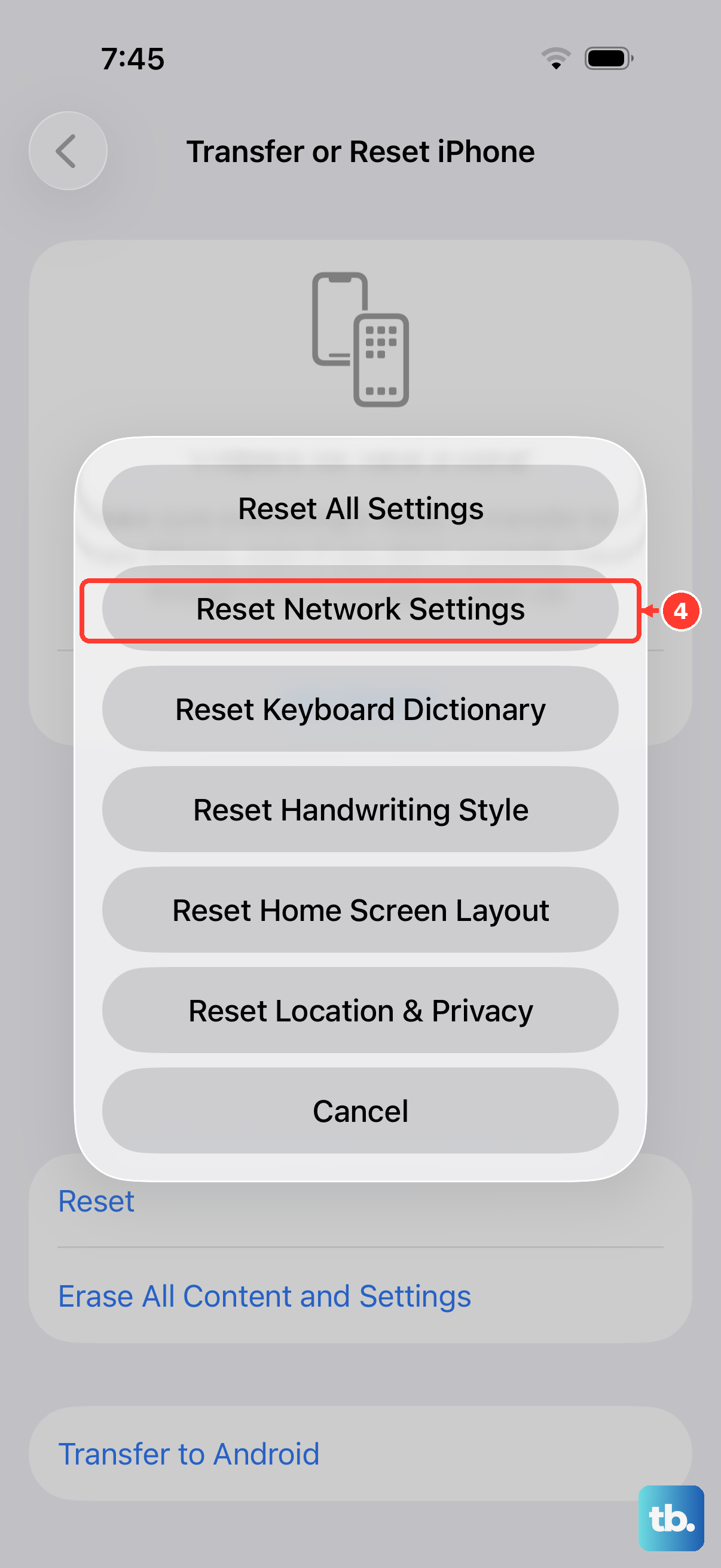
If other fixes have failed, including trying another network, resetting your network settings may help. Go to Settings > General > Transfer or Reset iPhone > Reset and tap Reset Network Settings.
This will erase saved Wi-Fi networks and passwords, cellular settings, and VPN and APN settings, so you'll need to reconnect to your network afterward. Once you're back online, attempt the software update again.
Update Using a Computer
When over-the-air updates repeatedly fail, try updating using a computer. Connect your iPhone 15 to a Mac or PC using a USB-C cable. Make sure it's a cable capable of data transfer, not just charging.
Back up your iPhone first. On a Mac with macOS Catalina or later, open Finder, select your iPhone in the sidebar, and click General, then Check for Update and Download and Update. On a Windows PC, use the Apple Devices app or iTunes; on an older Mac, use iTunes. Follow the onscreen instructions. Your iPhone may still need additional free storage.
Check Apple's System Status
Sometimes the problem isn't on your end at all. Visit apple.com/support/systemstatus on another device to check for service outages. If you can't reach the update server, try the update again using the same network.
If the alert returns, try another Wi-Fi network or update using a computer. If it happens on multiple networks, delete the downloaded update in Settings > General > iPhone Storage, then download it again from Settings > General > Software Update.
Ensure Your iPhone 15 is Compatible
The iPhone 15 supports iOS 27, so compatibility is rarely the problem. However, it's worth confirming you're trying to install the correct update. Go to Settings > General > About to see your current iOS version and model name.
The iPhone 15 is compatible with iOS 27. If a compatible update isn't showing on your iPhone, try updating using a computer.
Check for Software Conflicts
VPN or proxy connections can prevent your iPhone from contacting the update servers. Check whether either is active when an update fails. Connect to Wi-Fi and avoid downloading other content while the update downloads.
If you suspect a specific app, you can try temporarily disabling a VPN or uninstalling a recently downloaded app that manages network connections. After the update is complete, you can reinstall it.