
Seeing the "SIM Not Provisioned" message on your iPhone 15 can stop you in your tracks. It means your phone can't connect to your carrier's network, so you can't make calls, send texts, or use mobile data. The good news is, it's usually something you can fix yourself.
Let's jump straight into the most common fix. A simple restart can clear out a temporary software glitch that's blocking the connection. Just hold the Side button and either volume button, slide to power off, wait a minute, and turn it back on.
Check Your SIM Card and Tray
First, make sure the SIM card is seated correctly. The iPhone 15 uses a nano-SIM, and it needs to be perfectly aligned in the tray. Turn the phone off first, then use the SIM eject tool (or a paperclip) to pop out the tray on the left side.
Take out the SIM card and give both the card and the tray a quick visual check. Look for any dust, lint, or obvious damage. A quick blow to clear any debris can sometimes do the trick. Carefully reinsert the card, making sure it's flush in the tray, and push the tray back in until it clicks.
Toggle Airplane Mode to Refresh the Connection
This forces your iPhone to completely disconnect from and then reconnect to all wireless networks. You can do this from the Control Center by swiping down from the top-right corner and tapping the airplane icon.
Wait about 15 seconds, then tap the icon again to turn Airplane Mode off. You should see the signal bars reappear as it searches for the network. I've found this resolves the issue more often than not when it's a simple connection hiccup.
Verify Your SIM is Activated and Account is Active
If this is a brand new SIM card or you just switched carriers, the card might not be activated yet. The same goes if you've recently ported your number. You'll need to contact your carrier directly to check the activation status.
It's also worth checking your account isn't suspended. For prepaid plans, make sure you have a positive balance. For postpaid accounts, ensure your bill is paid. You can usually check this quickly through your carrier's own app or website.
Update Your iPhone's Software
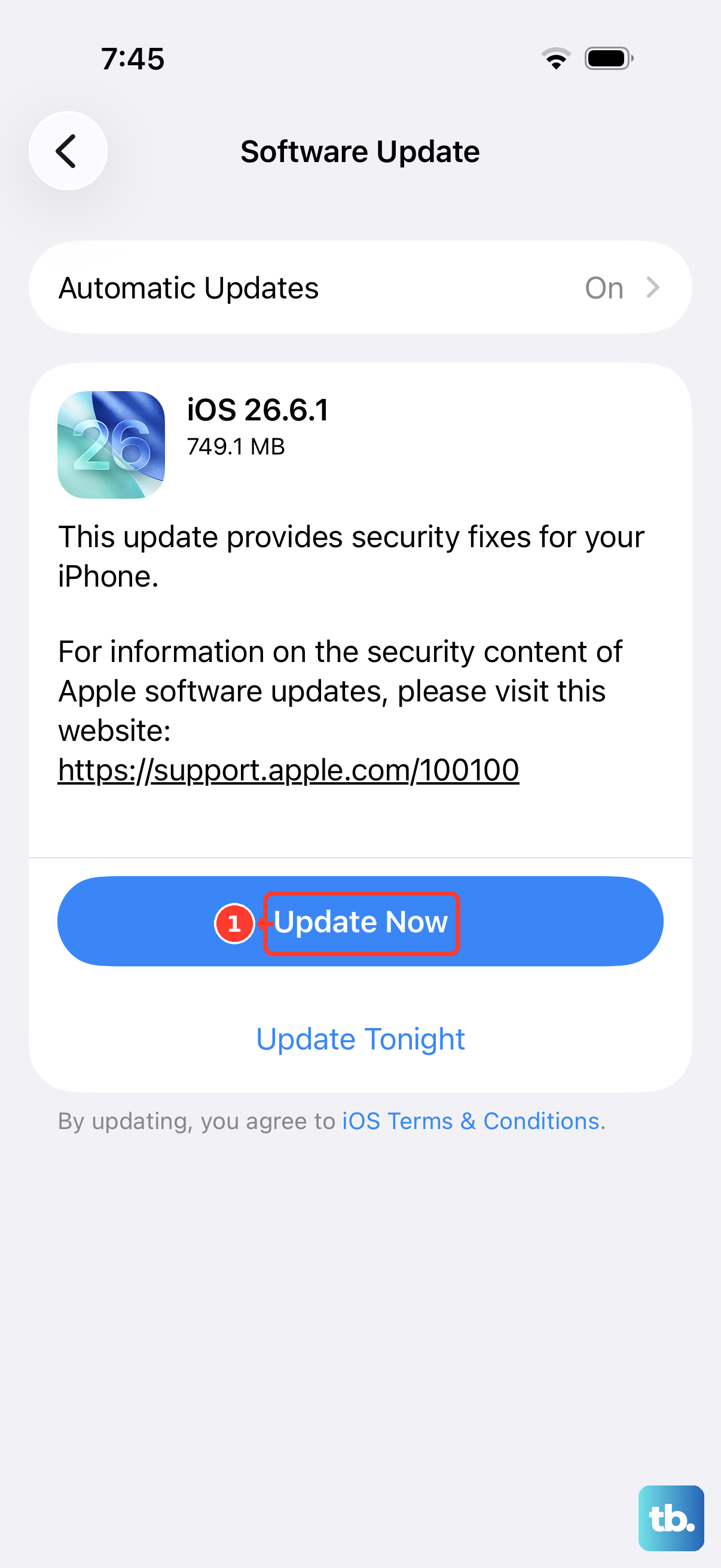
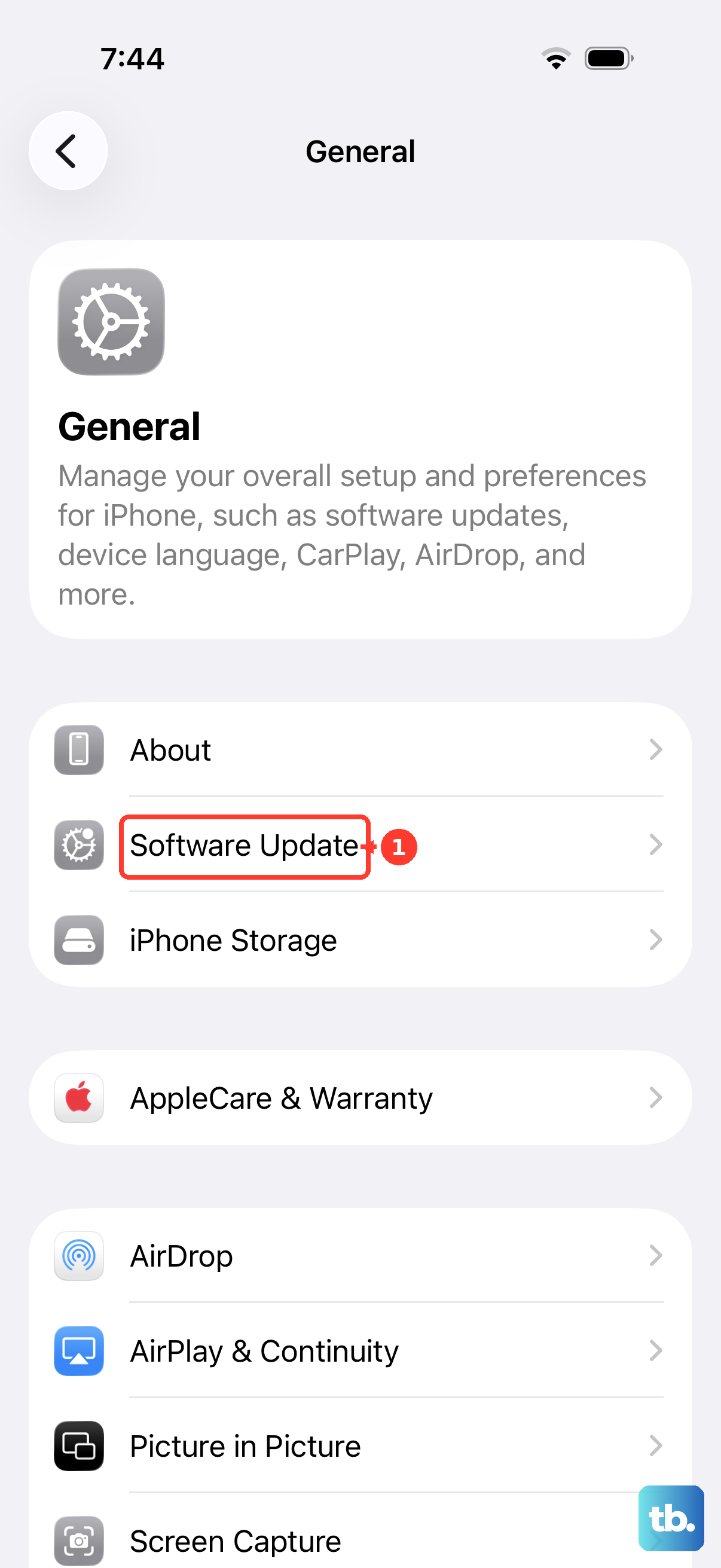
An outdated version of iOS can sometimes have bugs that affect cellular connectivity. Apple regularly releases updates that include fixes for network-related issues. Go to Settings > General > Software Update.
If an update is available, tap "Download and Install." Make sure your iPhone is connected to Wi-Fi and has sufficient battery, or plug it into power. After the update completes, your phone will restart and may reconnect to the network.
Manually Select Your Carrier Network
Sometimes the automatic network selection gets stuck. You can manually tell your iPhone 15 which network to use. Go to Settings > Cellular. Tap Network Selection and turn off "Automatic."
Your phone will search for available networks. After a moment, a list will appear. Select your carrier's name from the list. Wait a bit for it to register, then you can switch "Automatic" back on if you want.
Reset the Network Settings
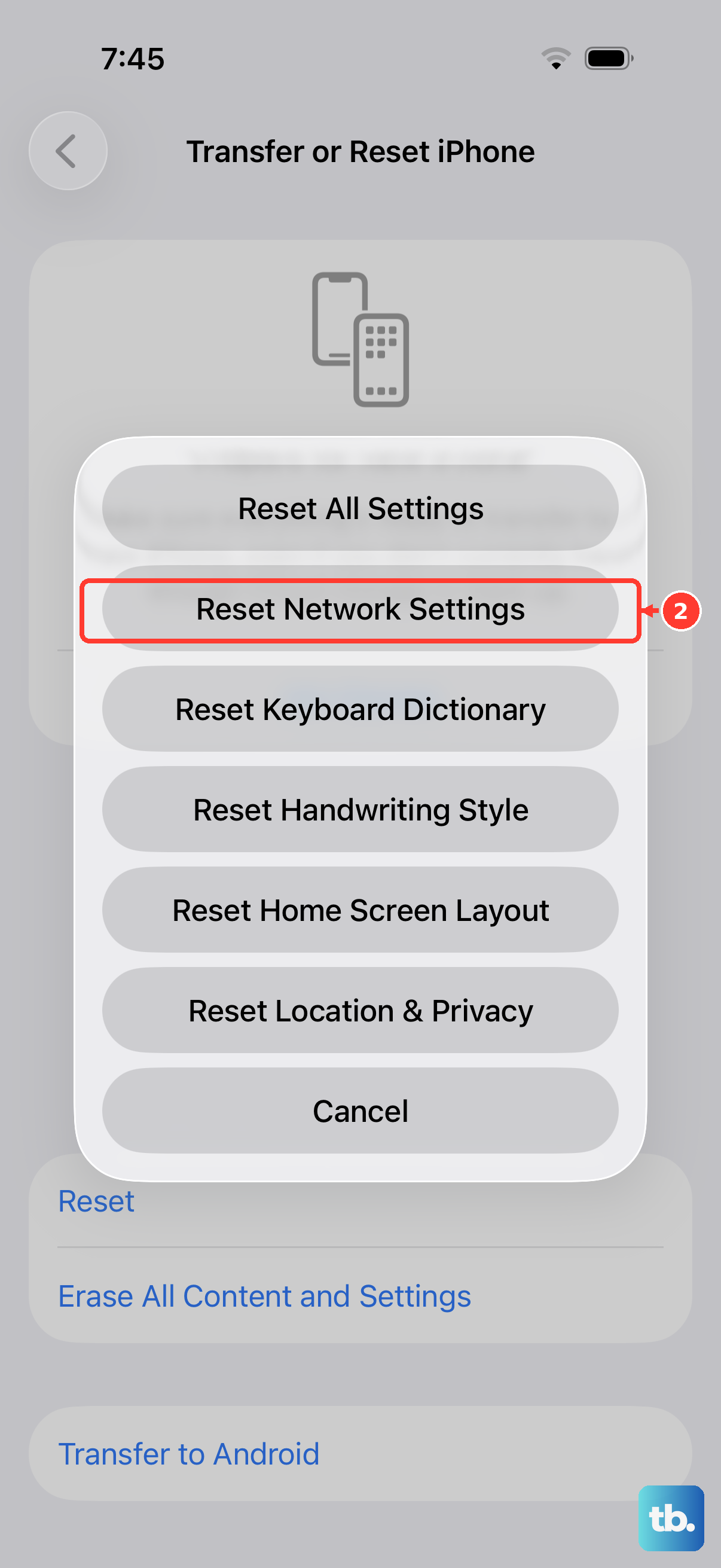
This is a more thorough step that clears all your saved network configurations. It will erase your Wi-Fi passwords, so make sure you have those handy. Go to Settings > General > Transfer or Reset iPhone.
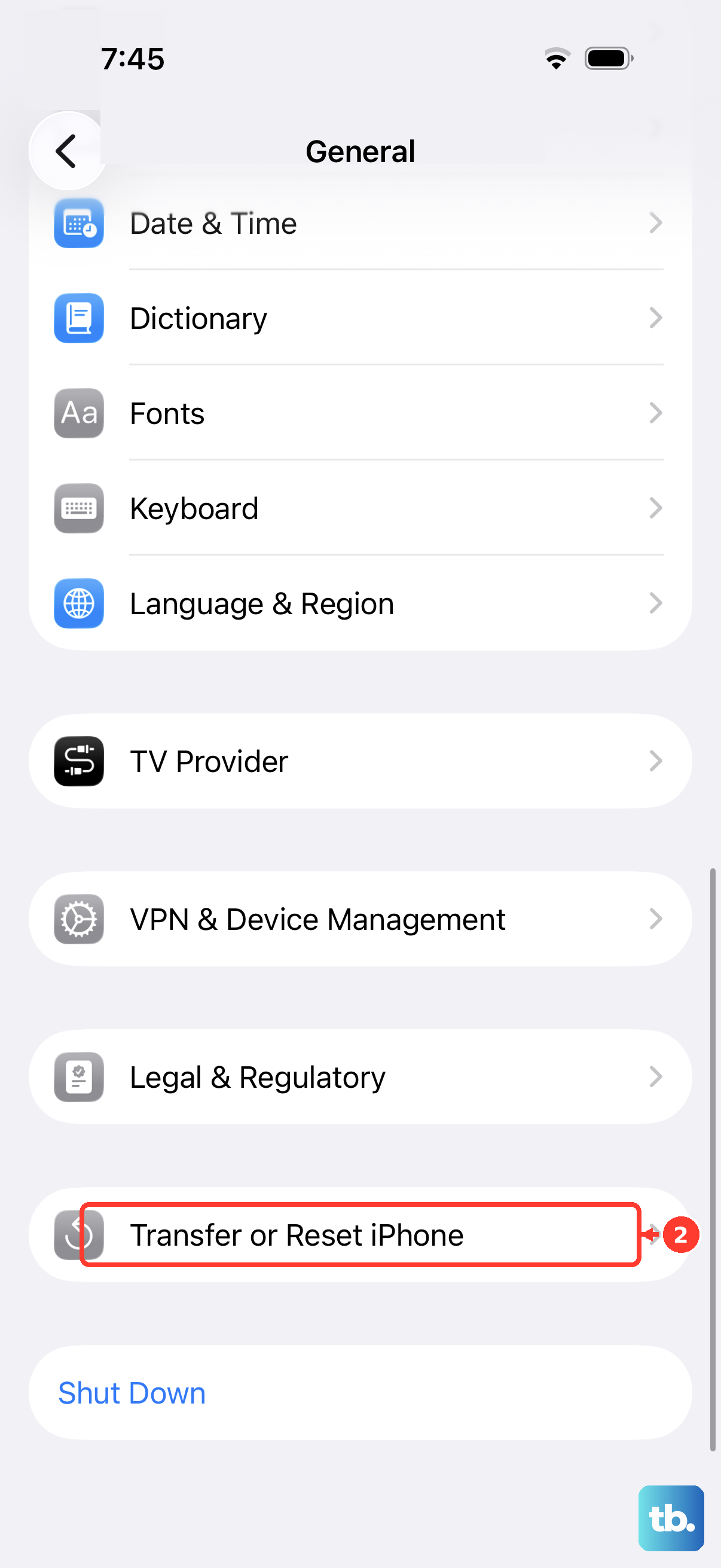
Tap Reset and then choose Reset Network Settings. Enter your passcode if prompted and confirm. Your iPhone will restart. After it boots up, you'll need to reconnect to Wi-Fi and see if your cellular service returns.
Check for a Carrier Settings Update
These are small files that help your iPhone work properly with your specific carrier's network. Updates are often pushed out automatically, but you can check manually. Go to Settings > General > About.
If a carrier settings update is available, a pop-up notification will appear on this screen. Just follow the prompts to install it. This process only takes a moment and doesn't require a restart.
Try the SIM Card in Another Phone
This test tells you if the problem is with the SIM card itself or with your iPhone 15. If you have access to another unlocked phone, power it off and insert your SIM card. Turn that phone on and see if it gets service.
If the SIM works in the other phone, the issue is likely with your iPhone. If it also shows as "Not Provisioned" in the other device, then the problem is definitely with the SIM card or your carrier account.
Contact Your Mobile Carrier for Support
If you've tried everything here and still see the error, your carrier's support team needs to get involved. There could be a provisioning error on their end, a problem with your account, or the SIM card itself might be faulty.
Explain the steps you've already tried. They can run diagnostics on their side and, if needed, issue a replacement SIM card. For the iPhone 15, they'll send you a nano-SIM, which is the only physical SIM size this model supports.