
If your iPad 10th Generation isn't vibrating for notifications or keyboard taps, it's a surprisingly common hiccup. The good news is it's usually a quick software setting or a minor glitch that you can fix yourself.
Check the Silent Switch
First, look at the top edge of your iPad. There's a small switch there. If it's flipped down towards the back camera, your iPad is in silent mode and won't vibrate. Slide it up so you can see the orange indicator. This is the most common reason for missing haptics.
Force Restart Your iPad
A simple force restart can clear out any temporary software bugs affecting the vibration motor. Here’s how to do it on the iPad 10th Gen. Quickly press and release the Volume Up button, then quickly press and release the Volume Down button. Finally, press and hold the Top button (the one on the top edge) until you see the Apple logo appear, then let go.
Verify Sound and Haptics Settings
Open the Settings app and go to Sounds & Haptics. Make sure the "Play Haptics" switch at the very top is turned on. While you're here, also check that "System Haptics" is enabled. This controls vibrations for system interactions and keyboard feedback.
Scroll down a bit in the same menu. You'll see separate toggles for haptics on Ring and Silent mode. I'd make sure both are enabled. Sometimes they can get turned off individually, which is easy to miss.
Test Keyboard Haptics
If you're only missing vibration when you type, that's a separate setting. Go to Settings, then tap General, followed by Keyboard. Look for the "Keyboards" section and tap it. Select the keyboard you use (like English), and make sure "Haptic Feedback" is switched on.
Check App-Specific Notification Settings
Sometimes the issue is with a single app, like Messages or Mail. Go to Settings, then Notifications. Find the app that isn't vibrating and tap on it. Make sure "Allow Notifications" is on. Then, tap the specific notification type (like "Messages" for the Messages app) and ensure "Sounds" is selected and the "Haptics" option underneath is enabled.
Update iPadOS
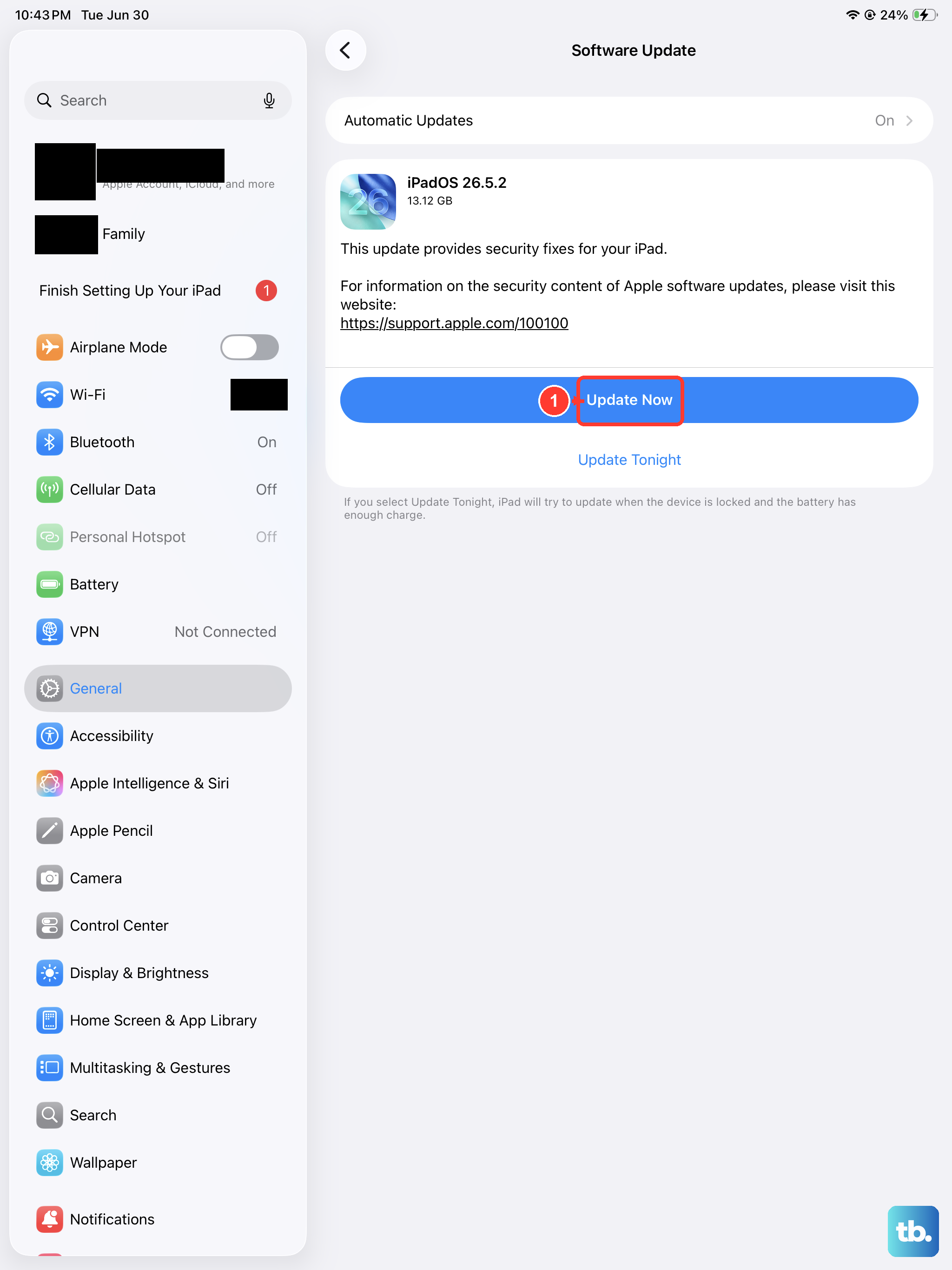
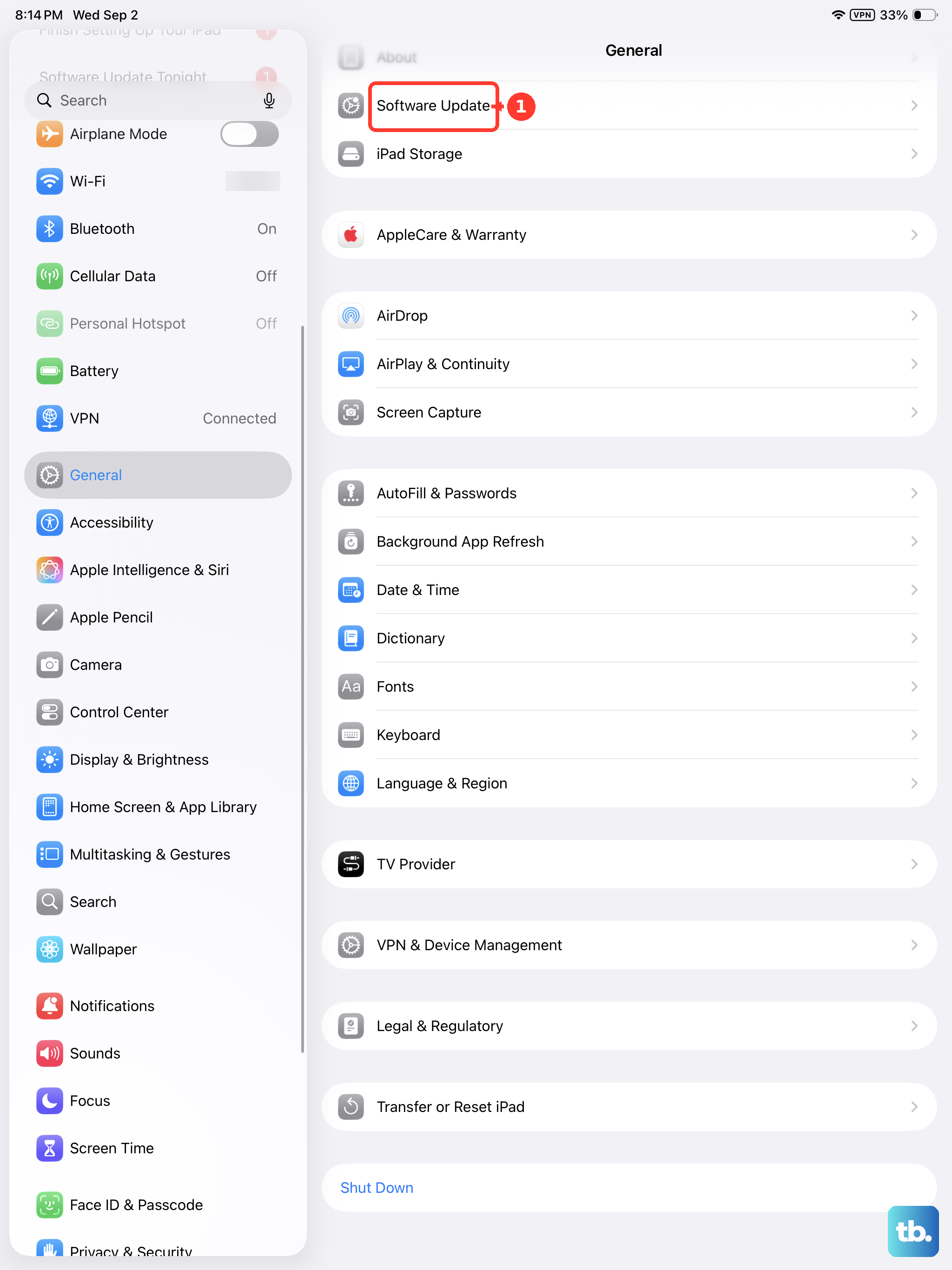
An outdated version of iPadOS can sometimes cause haptic issues. It's always worth checking for an update. Go to Settings, then General, and tap Software Update. If an update is available, install it. This has fixed vibration problems for many users after a major OS update.
Reset All Settings
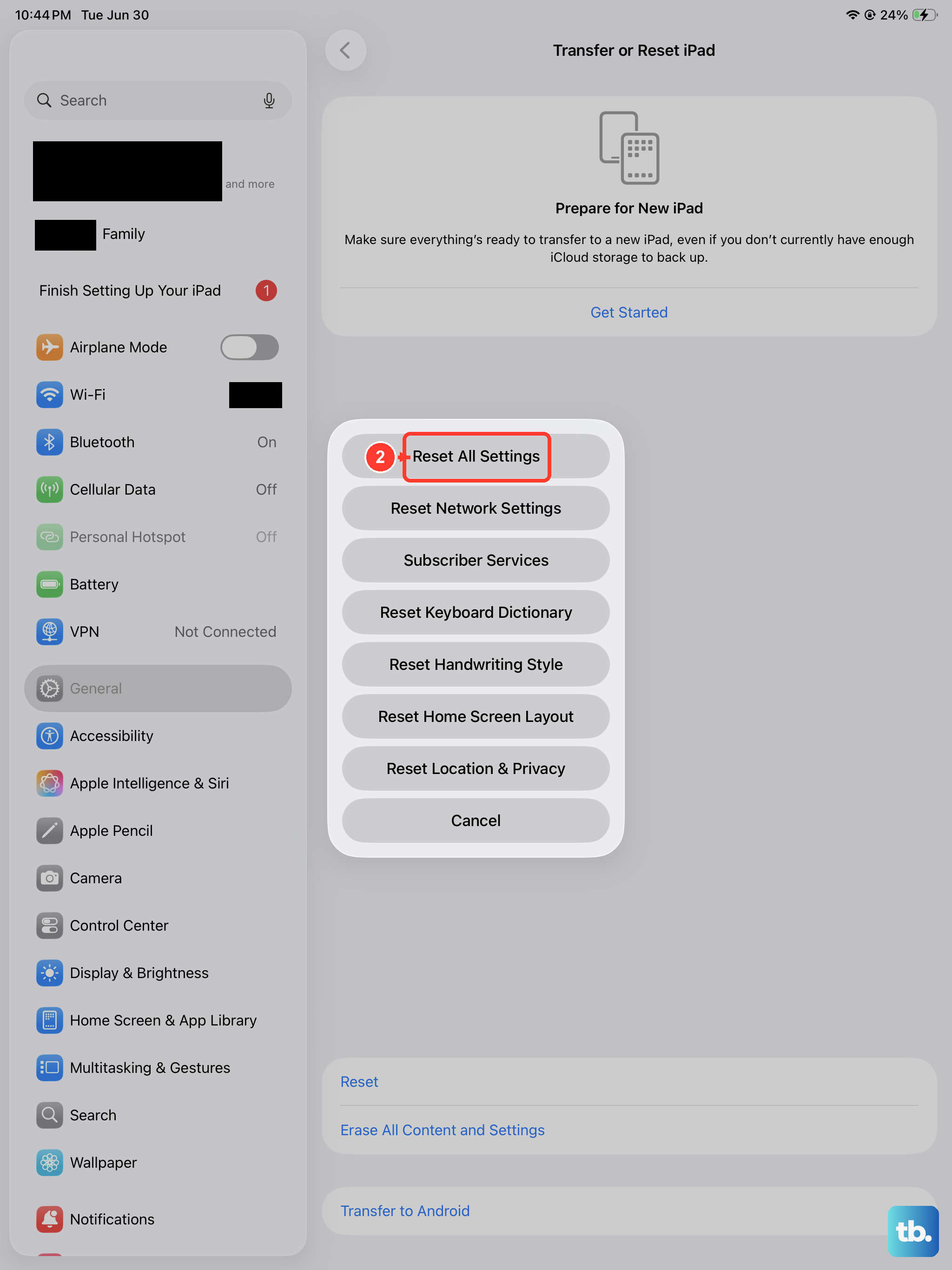
If the problem persists, you can try resetting all your settings. This won't delete your apps or data, but it will revert all preferences (like Wi-Fi passwords and wallpaper) back to default. Go to Settings, then General, then Transfer or Reset iPad. Tap Reset, and choose "Reset All Settings." Enter your passcode if prompted and confirm.
Test in a Different App
To help narrow it down, try using an app that should definitely cause a vibration. Open the Clock app and set a timer for 10 seconds. When it goes off, it should vibrate (if your iPad isn't in silent mode). If it vibrates for the timer but not for other things, the issue is likely app-specific settings.
Check for Focus Modes
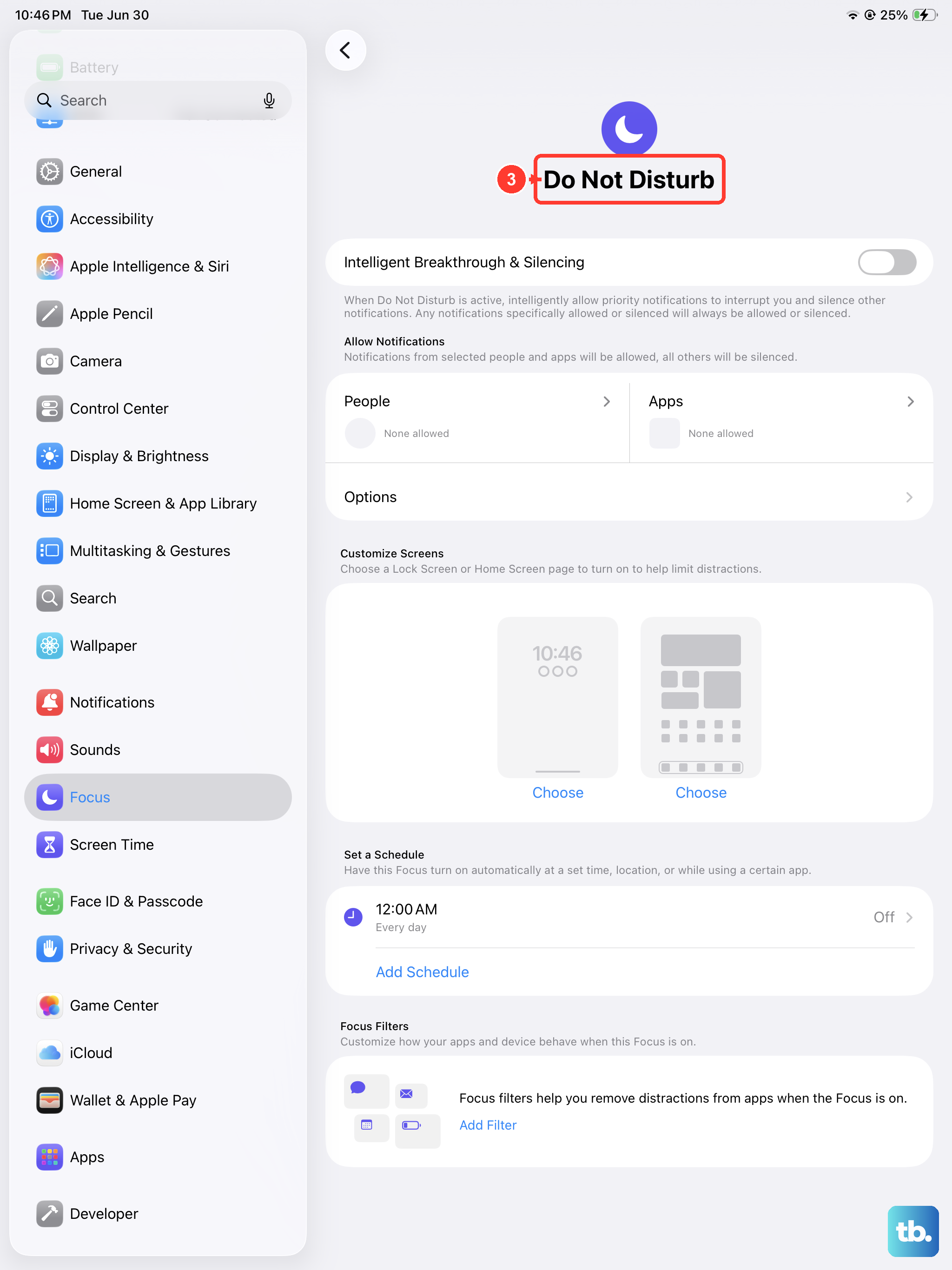
Focus modes like Do Not Disturb or Sleep can silence notifications and haptics. Swipe down from the top-right corner to open Control Center. Look at the Focus tile, if it says anything other than "Focus," tap it to turn the active mode off. You can also manage which apps are allowed through a Focus by going to Settings, then Focus.
Consider a Hardware Test
If you've tried every software fix and your iPad still won't vibrate under any circumstance, it's possible the Taptic Engine (the vibration motor) has a hardware fault. Since the iPad 10th Gen doesn't have a user-serviceable vibration motor, this would require a visit to an Apple Store or authorized service provider for diagnosis.