
So your Infinix Note 40 Pro won't charge. You've plugged in the 70W fast charger, maybe swapped cables, and the screen stays dark. It's a frustrating spot to be in, but I've found this is almost always something you can fix yourself without a trip to a repair shop.
Whether you're dealing with a USB-C port that won't connect, a wireless charger that's not working, or a phone that just seems completely dead, we'll go through the solutions. Let's start with the quickest fix you can try right now.
Force Restart Your Infinix Note 40 Pro
This should always be your first move. A simple force restart clears out any temporary software glitches that might be blocking the charging system. It takes about 10 seconds and solves the problem more often than you'd think.
For the Infinix Note 40 Pro, press and hold the Power button and the Volume Down button together. Keep holding them for about 10 seconds, or until you feel the phone vibrate and see the Infinix logo appear on the screen.
Once it boots back up, plug it in again and check for the charging indicator or the battery percentage increasing.
Clean the USB-C Charging Port Thoroughly
This is the single most common fix for charging problems on any phone, and the Note 40 Pro is no exception. Lint, dust, and pocket debris get packed into that USB-C port every single day. Eventually, there's so much gunk that the cable's connector can't reach the contacts inside.
Grab a bright light and look directly into the port on the bottom of your phone. If you see a dark mat of lint, you've found the culprit. Turn the phone off first for safety.
Use a wooden toothpick or a plastic flosser pick to gently scrape and pull the lint out. Don't use anything metal, like a paperclip, as it can damage the delicate pins. You can also try a quick blast of compressed air from a can, holding it a few inches away. Give the phone a gentle tap with the port facing down to dislodge anything stubborn.
Test with a Different Cable and Power Source
You need to figure out if the issue is with your cable, your wall adapter, or the phone itself. The best way is to swap each component one by one.
First, try a different USB-C cable. Make sure it's a good quality one capable of handling higher wattages. Then, try a different wall adapter. The Note 40 Pro comes with a special 70W charger, but it should still charge (slower) with any decent USB-C PD adapter.
Also, plug into a different wall outlet. Try removing your phone case, especially if it's very thick or has a magnetic ring, as that can interfere with the plug seating fully.
Check for Overheating and Let It Cool
The Infinix Note 40 Pro, like all smartphones, has built-in temperature protection. If the phone or the battery gets too hot, it will stop charging to prevent damage. This can happen if you're using it heavily while charging, or if it's left in a hot car or in direct sunlight.
If the phone feels warm to the touch, unplug it and let it cool down for 15-20 minutes. Move it to a cooler spot out of the sun. Once it's back to room temperature, try plugging it in again. I'd also recommend avoiding using the phone for gaming or video while it's fast charging, as the Dimensity 7020 chip can generate some heat under load.
Try Wireless Charging
One of the great features of the Note 40 Pro is its support for Qi wireless charging, which is rare in this price range. If your wired charging isn't working, try placing it on a wireless charger.
This can tell you if the problem is specifically with the USB-C port. Make sure you're using a compatible Qi charger. The phone supports up to 20W wireless charging, but it will work with any standard Qi pad. Remove any thick cases and ensure the phone is centered on the charging coil.
If it charges wirelessly but not with a cable, you've isolated the issue to the physical port, which likely needs cleaning or repair.
Wait If the Battery Is Fully Drained
If you've let the battery run down to absolute zero, the phone might not show any signs of life immediately when you plug it in. This is normal behavior. Leave it connected to the wall charger (not a computer or low-power port) for at least 30 minutes.
Don't keep trying to force restart it during this time. Just let it sit and soak up some power. After half an hour, press and hold the power button. You should see the charging icon or the Infinix boot logo. If there's still nothing, try the force restart method again while it remains plugged in.
Update Your Phone's Software
Software bugs in Android or Infinix's XOS can sometimes interfere with charging management. Manufacturers release updates to patch these kinds of issues. It's a good idea to make sure you're running the latest software.
Go to Settings > System > System update. Tap "Check for updates" and install any that are available. If your phone won't turn on to do this, you might need to charge it first using the wireless method or after the deep drain wait.
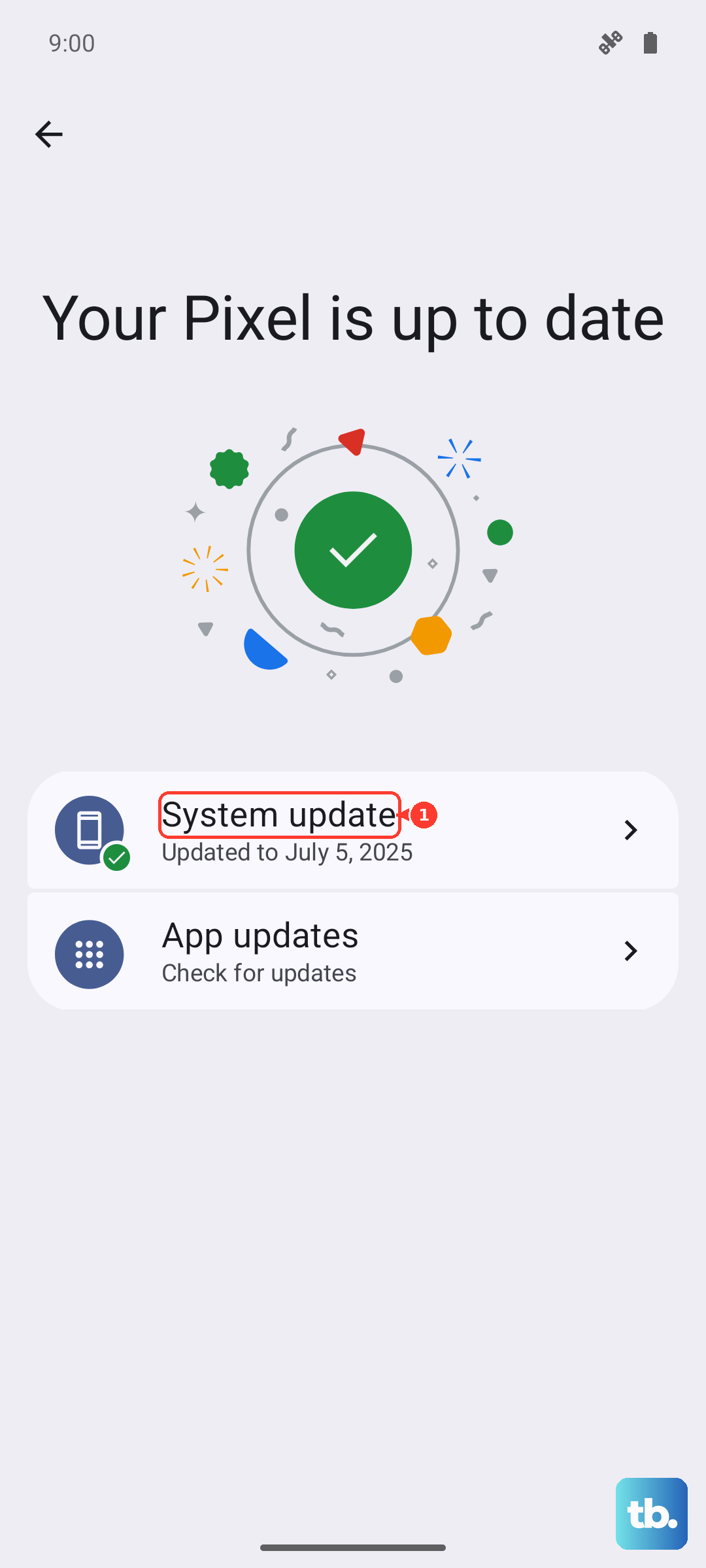
While you're in the settings, I'd also recommend going to Settings > Smart Service and disabling any promotional ads or notifications. This bloatware can sometimes run processes that affect performance.
Charge with the Phone Powered Off
A background app or a software hiccup might be preventing a proper charge. You can rule this out by turning the phone completely off and then plugging it in.
Hold the power button, then tap "Power off" on the screen. Once the screen is completely black, connect your charger. You should see a large battery icon appear, indicating it's charging. If it charges fine while off but not while on, you know a software process is the likely cause.
Charging while the phone is off is also the fastest way to get a boost, as no resources are being used by the screen or apps.
Perform a Factory Reset (Last Resort)
If you've tried every other step and the phone still refuses to charge reliably, a major software corruption might be the cause. A factory reset will wipe the phone back to its original settings. This is a last resort because it will erase all your data, so make sure you have a recent backup if possible.
To do this, go to Settings > System > Reset options > Erase all data (factory reset). Follow the prompts to confirm. After the phone restarts and goes through the setup process, test the charging immediately before restoring your apps.
If the phone still won't charge after a factory reset, the issue is almost certainly hardware-related. At that point, the USB-C port, the battery, or an internal component would need professional inspection and repair.