
Factory resetting your iPhone 16 erases your personal information and restores the phone to factory settings. It's a powerful tool for troubleshooting deep software glitches, preparing the phone for a new owner, or simply giving yourself a completely fresh start. The key is doing it the right way so you don't lose your data or leave the phone locked.
Your First Step is Always a Backup
Before you even think about the reset button, secure your data. On your iPhone 16, head to Settings > [Your Name] > iCloud > iCloud Backup and tap Back Up Now. Stay on Wi-Fi until it finishes. For a local backup, connect your phone to a Mac or PC with a USB-C cable.
On a Mac with macOS Catalina or later, open Finder, select your iPhone under Locations, and click Back Up Now. On a Windows PC, open the Apple Devices app; if your PC doesn't have it, use iTunes instead. Double-check that your photos, contacts, and messages are syncing properly before proceeding.
Sign Out of Find My and Your Apple Account
If you're giving the phone away, back up your data and unpair any Apple Watch before signing out and erasing it. Go to Settings > [Your Name] and scroll all the way down. Have your Apple Account password ready for the process.
Tap Sign Out. Choose Sign Out But Don't Erase to sign out before using the erase step below. You can also choose Erase this iPhone and follow the prompts to erase it during sign-out. If you're asked which account to sign out of, tap Sign out of iCloud and Store. If you've already erased the phone, you can skip the erase step below.
Perform the Reset Directly on Your iPhone 16
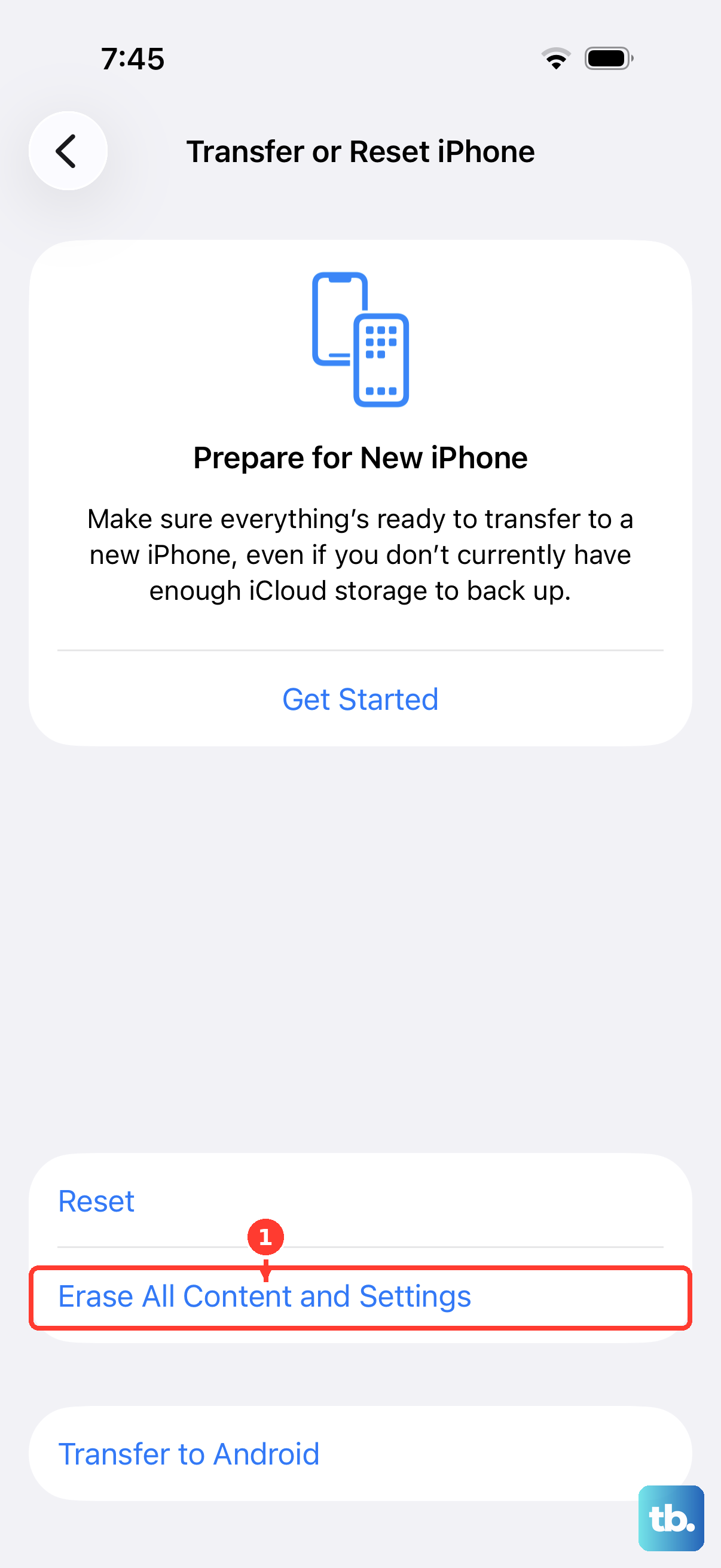
This is the standard method when your phone is functioning. Open Settings > General > Transfer or Reset iPhone. Tap Erase All Content and Settings, then Continue. Choose whether to keep or delete your eSIM; deleting it means contacting your carrier to reactivate your cellular plan. Enter your device passcode, wait for any backup to finish, then enter your Apple Account password if prompted and tap the done button on your keyboard.
After you confirm, the erasure process begins. Your screen will go black, and you'll see the Apple logo with a progress bar. This can take several minutes as your iPhone erases your information and settings. When it's done, you'll be greeted by the "Hello" setup screen.
Use a Computer for a Forced Restore
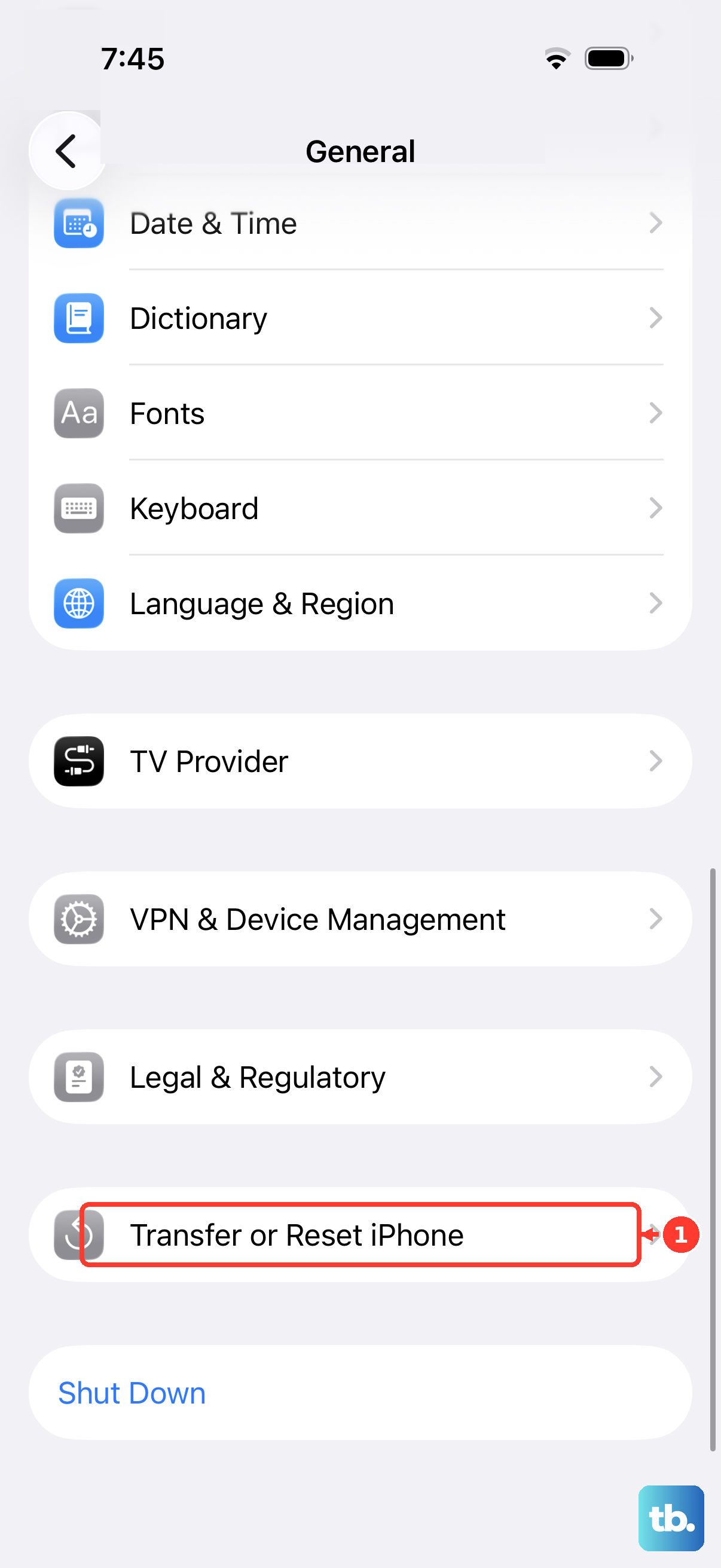
If your iPhone 16 is unresponsive, stuck in a boot loop, or you've forgotten the passcode, you may need a computer and Recovery Mode. This method, often called a "restore," installs a fresh copy of iOS. If the phone still works, you can erase it from Settings instead, as described above.
Update your computer and back up your phone if possible. If you can access Settings, go to Settings > [Your Name] > Find My > Find My iPhone and turn it off, entering your Apple Account password when prompted. Then connect your iPhone 16 to your computer using a USB-C cable.
Open Finder on Mac or the Apple Devices app on Windows and select your device. If your Windows PC doesn't have Apple Devices, use iTunes instead. Click Allow if your Mac asks to allow the accessory, and follow any passcode or Trust This Computer prompts. Click Restore iPhone, then Restore to confirm. This installs the latest iOS software and erases your information and settings, but keeps your eSIM. If the computer doesn't recognize your phone, follow the Recovery Mode steps below using Finder or the Apple Devices app.
Entering Recovery Mode on iPhone 16
For the iPhone 16, the process is specific. Quickly press and release the Volume Up button. Then quickly press and release the Volume Down button. Finally, press and hold the Side button. Don't let go when you see the Apple logo.
Keep holding until you see the Connect to computer screen. Your computer should now detect a device in recovery mode and offer Update or Restore options. For troubleshooting, try Update first if you haven't already; choose Restore to reinstall iOS and erase the device. If the download takes more than 15 minutes and the phone leaves recovery mode, let it finish, then repeat the button steps.
Consider a Targeted Reset First
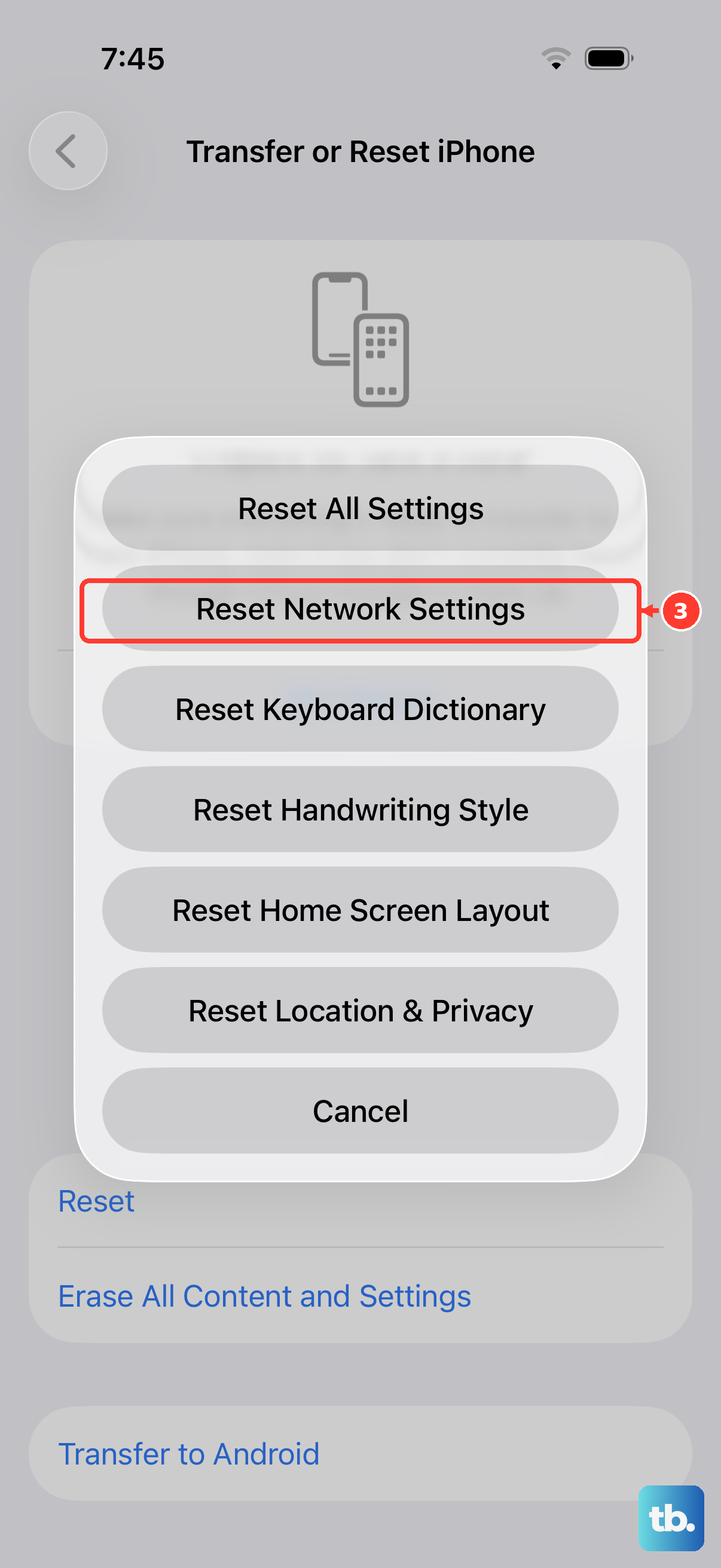
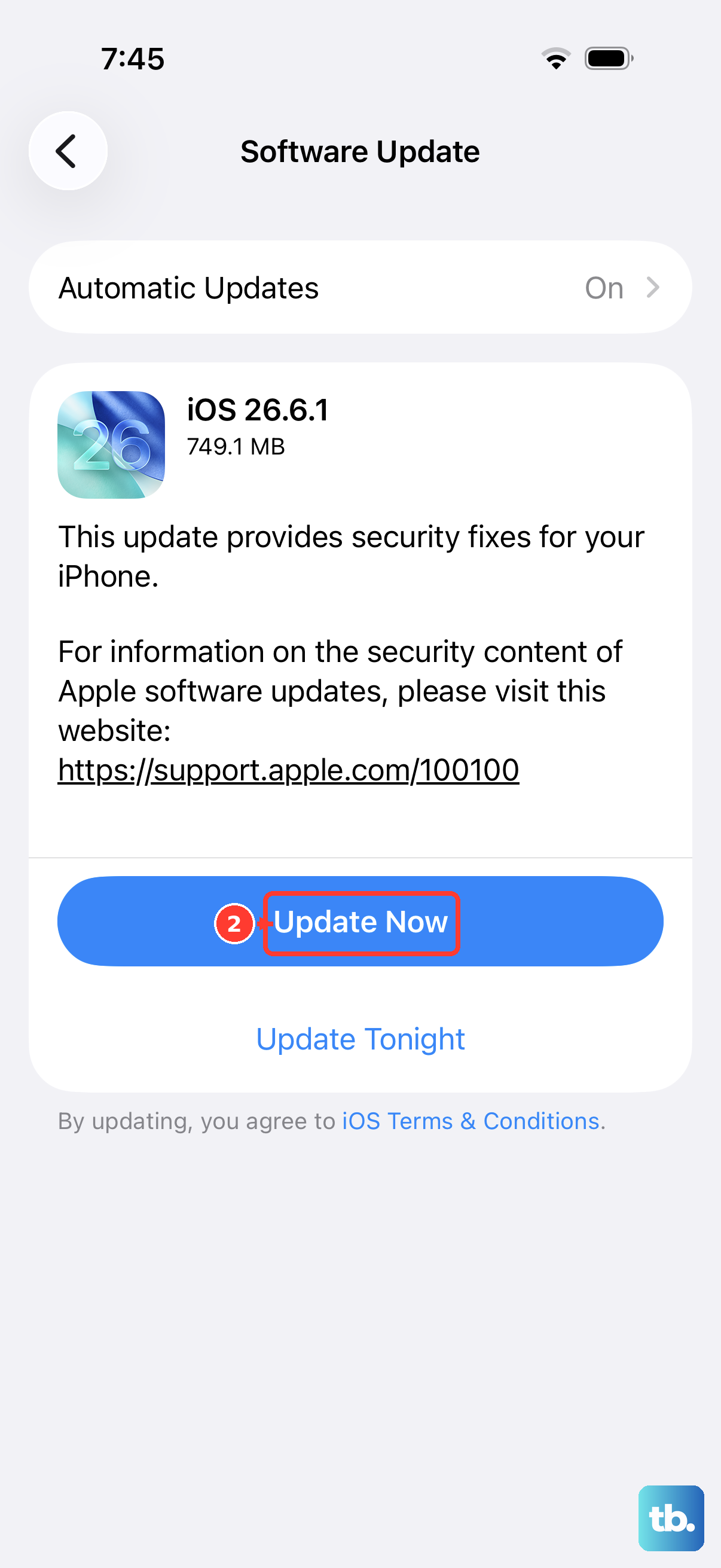
You might not need the nuclear option. For issues like Wi-Fi or Bluetooth not connecting, or general system sluggishness, a partial reset can work wonders. Go to Settings > General > Transfer or Reset iPhone > Reset.
Here, you have several targeted options. Reset Network Settings clears saved Wi-Fi networks and passwords, cellular settings, and VPN and APN settings; use it for connectivity problems only after other fixes fail. Reset All Settings returns all preferences to default without erasing your personal data, which can resolve odd glitches. I'd start with these before a full factory reset.
Restoring Your Data After the Reset
Once the reset is complete and you're at the "Hello" screen, follow the on-screen prompts. Choose your language, connect to a Wi-Fi network, and you'll eventually reach the Apps & Data screen. This is where you restore your backup.
Select Restore from iCloud Backup or Restore from Mac or PC, depending on where you saved your backup. Sign in with your Apple Account and choose the most recent backup file. Your iPhone 16 will download your settings, reinstall your apps from the App Store, and pull your photos and messages back from iCloud. The phone should feel familiar again, and the reset may have resolved the problems that prompted it.