
Your Samsung Galaxy Tab S9 stores temporary files and cached data that builds up over time. When storage gets low or apps act sluggish, clearing the cache can free up space and fix performance issues. Here's how to do it across different parts of your tablet.
Clear App Cache Individually
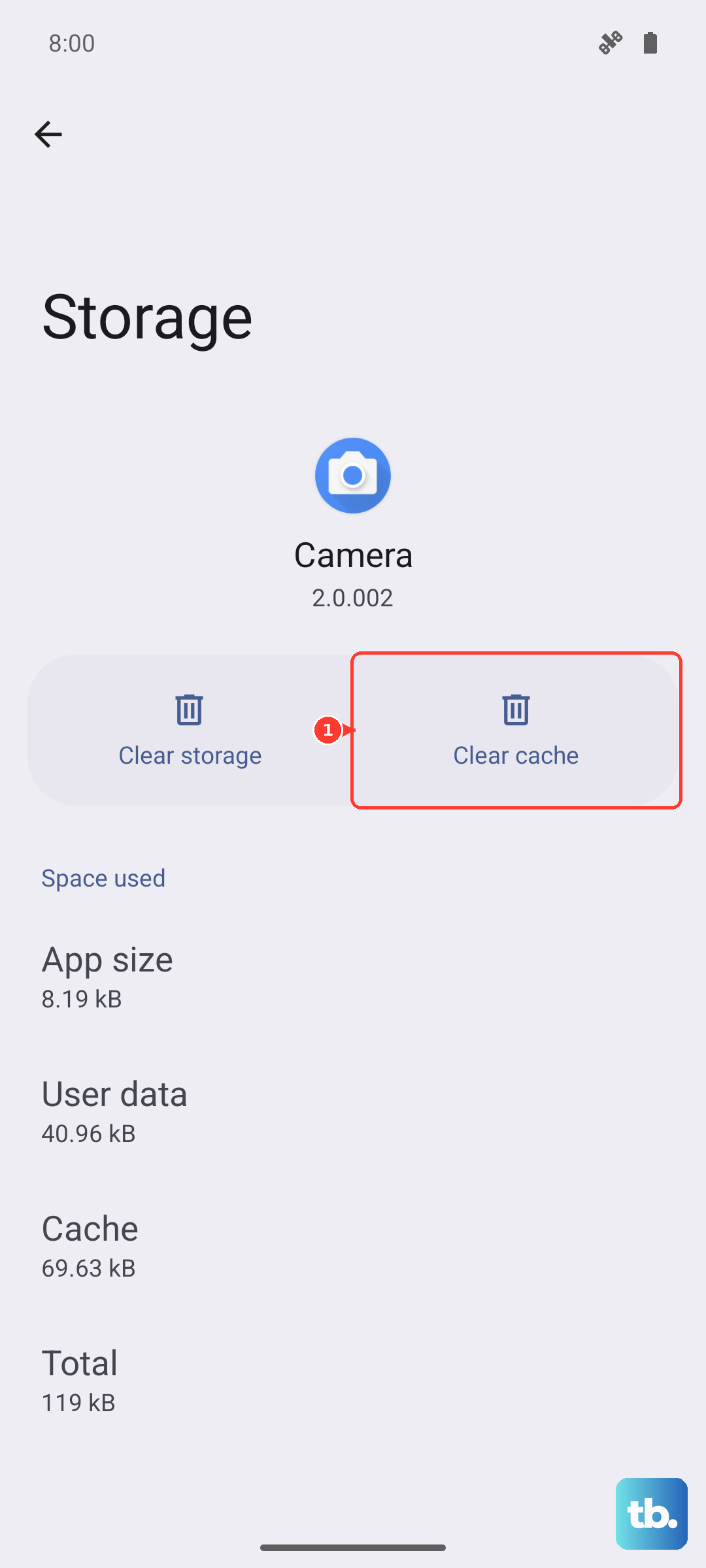
Go to Settings > Apps. You'll see a list of all your installed applications. Tap on any app to open its info page, then select Storage. On the next screen, tap the Clear cache button. This removes temporary files without deleting your login info or personal data within the app.
Focus on apps that use the most storage. Social media, browsers, streaming apps, and games tend to accumulate the largest caches over time.
This is a great first step if a specific app on your Tab S9 is crashing or running slowly.
Clear All App Cache with Device Care
Samsung's built-in optimization tool is the quickest way to reclaim space. Go to Settings > Battery and device care. On the main screen, tap Storage and then tap the blue Clean now button.
This automatically scans for and clears cached data and temporary files across all your apps in one go. It's much faster than clearing each app manually.
You can also tap Apps not used for 90 days or Duplicate files from the Storage menu for more targeted cleanup options.
Clear Browser Cache (Samsung Internet)
If you use the default browser, open Samsung Internet and tap the menu icon (three horizontal lines). Go to Settings > Personal browsing data > Delete browsing data.
Make sure Cached images and files is selected, then tap Delete data. For Google Chrome users, the path is Menu > Settings > Privacy and security > Clear browsing data.
Clearing the browser cache can fix webpage loading errors and free up a surprising amount of space.
Wipe Cache Partition (System Cache)
This clears the system-level cache, which is different from app caches. It's a safe operation that doesn't touch your personal data. First, turn off your Galaxy Tab S9 completely.
Press and hold the Volume Up button and the Side button simultaneously. Release both buttons when you see the Samsung logo. Use the Volume Down button to navigate to Wipe cache partition and press the Side button to select it.
Confirm the action, then select Reboot system now. I've seen this fix lag or glitchy behavior, especially after a major One UI software update.
Manage Messages and Media Storage
While the Tab S9 isn't typically a primary messaging device, if you use it for SMS or RCS, those conversations can hold onto media. Open the Messages app, tap the menu (three dots), and go to Settings.
Look for options like Delete old messages or a dedicated storage management section. You can also go through conversations manually and delete threads heavy with photos or videos.
For general media, the Gallery app's "Clean" suggestion feature can identify blurry or similar photos to delete.
Use Device Care Regularly
Make it a habit to visit Settings > Battery and device care and tap the Optimize now button on the main screen. This runs a full cleanup, closing background apps and clearing cached files.
Doing this weekly helps keep your Tab S9 running smoothly. The tool also provides insights into your battery usage and memory management.
Free Up Storage Automatically
Your Tab S9 can help manage storage automatically. Go to Settings > Battery and device care > Storage and tap the menu icon (three dots). Select Storage settings.
Here, you can enable features like removing temporary files and unused app data automatically. You can also use Samsung Cloud or Google Photos to offload photos and videos to the cloud while keeping thumbnails on your device.
Restart Your Tablet
A simple restart clears temporary system caches and frees up RAM. Hold the Side button, then tap Restart on the screen and wait for your tablet to reboot.
Doing this every week or so is an easy way to maintain performance. If the tablet is unresponsive, perform a force restart by pressing and holding Volume Down + Side button for about 10 seconds until it powers back on.