
Your Motorola Edge 50 Pro stores temporary cached data to make apps load faster, but over time this cache can get bloated and cause slowdowns or storage issues. Clearing it out is a quick way to refresh your phone's performance without losing any personal data.
Clear an Individual App's Cache
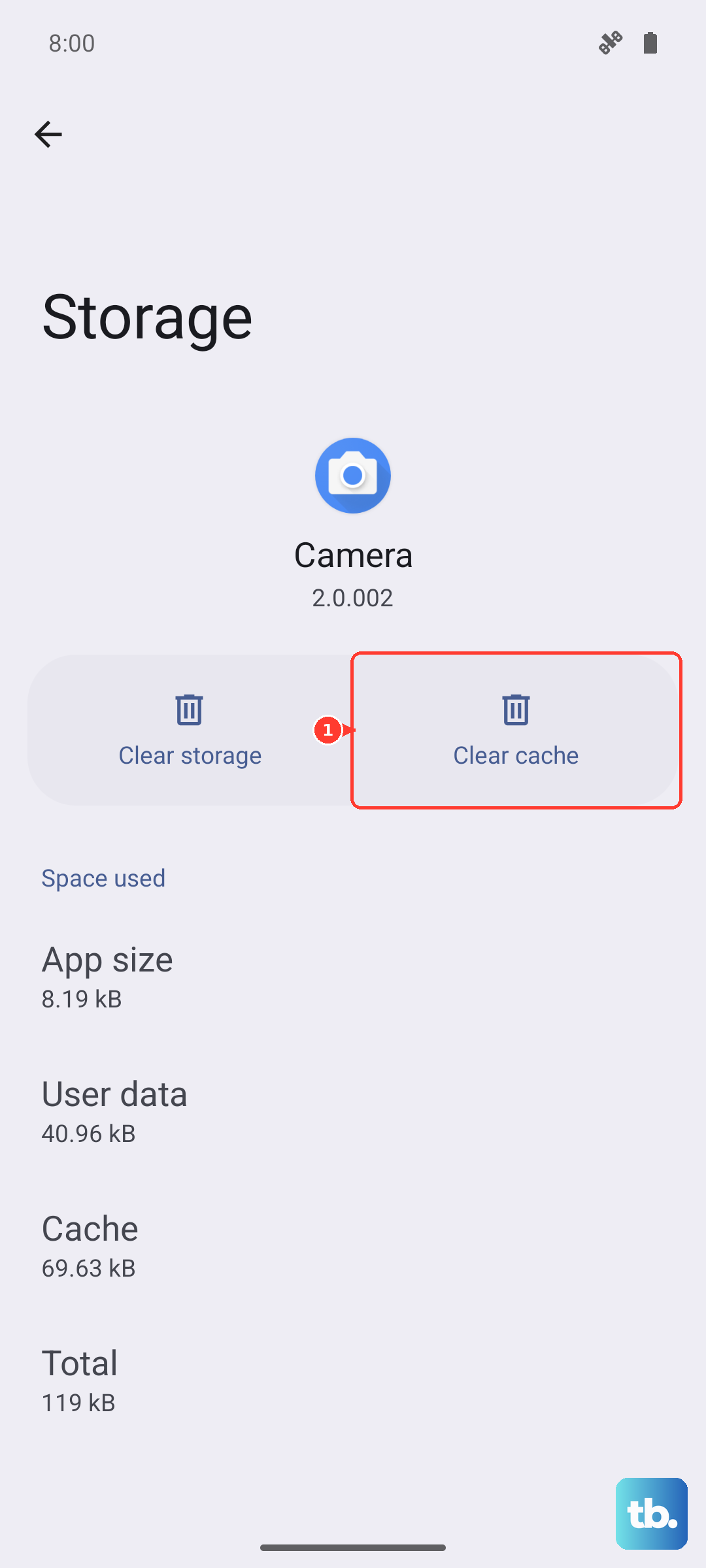
Open your Settings and tap on Apps. You'll see a list of all your installed applications. Tap on any app you're having trouble with, like Instagram or Chrome. On the app info screen, select Storage & cache.
Here, you can tap Clear cache. This instantly deletes the temporary files that app has stored. Your login information and saved preferences within the app will remain untouched, so it's a very safe first step for fixing app crashes or lag.
I'd focus on apps that constantly download content, such as streaming services, social media platforms, and web browsers. These tend to build up the largest caches on the Edge 50 Pro.
Use the Built-in Storage Cleaner
Motorola includes a helpful tool right in the settings. Go to Settings > Storage. At the bottom, you'll find a Free up space button. Tap it, and your phone will analyze your storage.
It will show you categories like Cached data, Large files, and Duplicate files. You can review the suggestions and selectively delete what you don't need. This is often faster than clearing each app's cache one by one.
Clear Your Chrome Browser Cache
If web pages are loading slowly or acting strange, your browser cache might be the culprit. Open the Chrome app and tap the three dots in the top-right corner to open the menu. Go to Settings > Privacy and security > Clear browsing data.
On the next screen, make sure Cached images and files is selected. You can choose a time range, but "All time" gives you the cleanest slate. Tap Clear data. This won't log you out of your websites unless you also clear cookies and site data.
Wipe the System Cache Partition
This clears cached data used by the Android 14 system itself, which can help with general phone sluggishness or glitches after a software update. First, power your Motorola Edge 50 Pro completely off.
Press and hold the Power button and the Volume Down button together. When you see the Motorola logo, release both buttons. You'll enter a boot mode screen. Use the Volume Down button to highlight Recovery Mode, then press the Power button to select it.
When you see the Android robot with an exclamation mark, press and hold the Power button, then tap the Volume Up button once. Use the volume buttons to navigate to Wipe cache partition and press the Power button to select it. Confirm the action, then select Reboot system now.
Manage Files with Google's Tool
For a more automated clean-up, the Files by Google app is excellent. If it's not already on your phone, you can download it from the Play Store. Open the app and tap the Clean tab on the bottom left.
It will scan and show you junk files, large duplicate photos, unused apps, and of course, cached data from all your apps. You can review and delete with a few taps. It's a great way to keep the 128GB or 256GB storage on your Edge 50 Pro from filling up.
Clear Out Old Messages and Downloads
Don't forget about your Messages app. Long text threads, especially group chats with lots of photos and videos, can consume gigabytes of space. Open your messaging app and delete old conversations you no longer need.
Also, check your Downloads folder. You can find it in the Files app. It's easy to forget about PDFs, APK files, or images you downloaded once and no longer need, and they just sit there taking up space.
Perform a Regular Restart
One of the simplest ways to clear temporary system caches and free up RAM is to restart your phone. Just press and hold the Power button until the power menu appears, then tap Restart. Doing this once a week can help maintain smooth performance on your Snapdragon 7 Gen 3 chipset.
Review Your Storage Breakdown
For a big-picture view, go to Settings > Storage. This screen shows you exactly what's filling your phone. Tap on categories like Images, Videos, and Audio to see the largest files.
This is also where you can enable smart features. If you use Google Photos, make sure backup is on so you can safely Free up space from within that app, which removes photos and videos from your device storage after they're backed up to the cloud.