
The Blue Screen of Death (BSOD) on your Dell XPS 16 is Windows hitting a critical error it can't recover from. It's often triggered by a driver conflict, especially after an update, but can also point to hardware issues or corrupted system files. The error code on the screen is your first clue, but the fixes below tackle the most common root causes.
Write Down the Stop Code
When the blue screen appears, look for the all-caps stop code like DRIVER_IRQL_NOT_LESS_OR_EQUAL or SYSTEM_SERVICE_EXCEPTION. Jot this down. While the general fixes here work for most situations, that specific code can help pinpoint the exact faulty driver or component if you need to search for it later.
Perform a Full Restart
A one-off BSOD can sometimes be a fluke. Restart your XPS 16 normally. If it boots to Windows and runs stable, it might have been a temporary glitch. If the blue screen returns immediately during startup or shortly after you log in, you have a recurring problem that needs addressing.
Boot into Windows Safe Mode
If crashes prevent a normal boot, you need to get into Safe Mode. On the sign-in screen, hold the Shift key and click the power icon, then select Restart. After the reboot, choose Troubleshoot > Advanced options > Startup Settings > Restart. When your laptop restarts again, press the 4 key to enable Safe Mode. This loads Windows with minimal drivers, which can help you undo recent changes.
Roll Back Problematic Updates
Since your issue started after an update, this is a prime suspect. In Safe Mode or normal Windows, go to Settings > Windows Update > Update history > Uninstall updates. Look for the most recent quality update or driver update and uninstall it. I've seen specific Windows cumulative updates cause BSODs on systems with certain Intel or NVIDIA driver combinations, so rolling back can provide immediate relief.
Update or Reinstall Drivers
Outdated or corrupt drivers are the leading cause of BSODs. For your XPS 16, pay special attention to the graphics, chipset, and Thunderbolt drivers. Don't just use Windows Update. Visit the official Dell Support site, enter your service tag, and download the latest driver packages. For the GPU, get drivers directly from NVIDIA or Intel's website. If a device seems problematic in Device Manager, try uninstalling its driver and rebooting to let Windows reinstall a fresh version.
Run Dell SupportAssist Diagnostics
Before diving deeper into Windows tools, use the built-in hardware diagnostics. Restart your XPS 16 and press F12 repeatedly at the Dell logo to enter the boot menu. Select Diagnostics from the list. This runs a comprehensive check on your memory, storage, and other hardware components. It's a quick way to rule out a physical failure.
Scan for Corrupted System Files
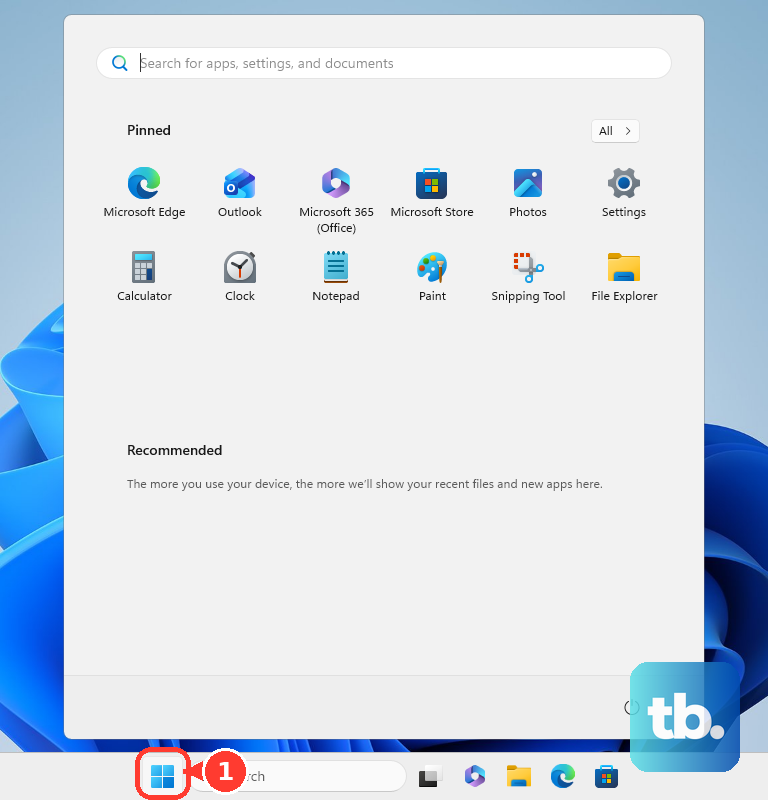
Open the Start menu, type cmd, right-click Command Prompt, and select Run as administrator. In the window, type sfc /scannow and press Enter. This System File Checker scans and repairs corrupted Windows system files. If it finds issues it can't fix, run this command first: DISM /Online /Cleanup-Image /RestoreHealth. Then, run sfc /scannow again.
Check Your Memory with Windows Tool
Faulty RAM is a classic BSOD culprit. Search for Windows Memory Diagnostic in the Start menu and run it. Choose Restart now and check for problems. Your XPS 16 will reboot and run the test, which takes several minutes. Any errors reported here strongly suggest a problem with one of your RAM modules.
Inspect the Drive for Errors
In the same Administrator Command Prompt, you can check your primary drive. Type chkdsk C: /f /r and press Enter. It will schedule the check for the next restart. This command looks for and attempts to repair file system errors and bad sectors on your SSD. While modern SSDs rarely develop bad sectors, file system corruption is common after an improper shutdown from a crash.
Review Thermal and Power Settings
The XPS 16 can run hot under load. If BSODs happen during gaming, rendering, or other intensive tasks, overheating could be forcing a protective shutdown. Ensure the vents are clear. You can also check the BIOS thermal settings by pressing F2 at startup and looking for a Thermal Management section. Switching to a more aggressive cooling profile here can help.
Perform a Windows Reset
If all else fails and the BSODs continue, a reset is your most thorough software fix. Go to Settings > System > Recovery and click Reset this PC. Choose Keep my files to reinstall Windows while preserving your personal data. This will remove all installed apps and drivers, giving you a clean slate that often resolves deep-seated driver conflicts and system corruption.