
When your Dell XPS 15 suddenly goes silent, it can be a real disruption. The issue could be a simple volume setting, a driver conflict, or something more specific to the XPS hardware. Let's walk through the steps to get your sound back.
A browser based quick sound test helps narrow this down fast. If test tones play clearly, the speakers work and the problem lives in an app or setting.
Check the Volume and Output
First, click the speaker icon in your taskbar. Make sure the master volume slider isn't all the way down or muted. Right next to that slider, click the little arrow to see the list of output devices. If you recently unplugged headphones, Windows might still be trying to send audio to them. Select your laptop's speakers from that list.
Run the Windows Audio Troubleshooter
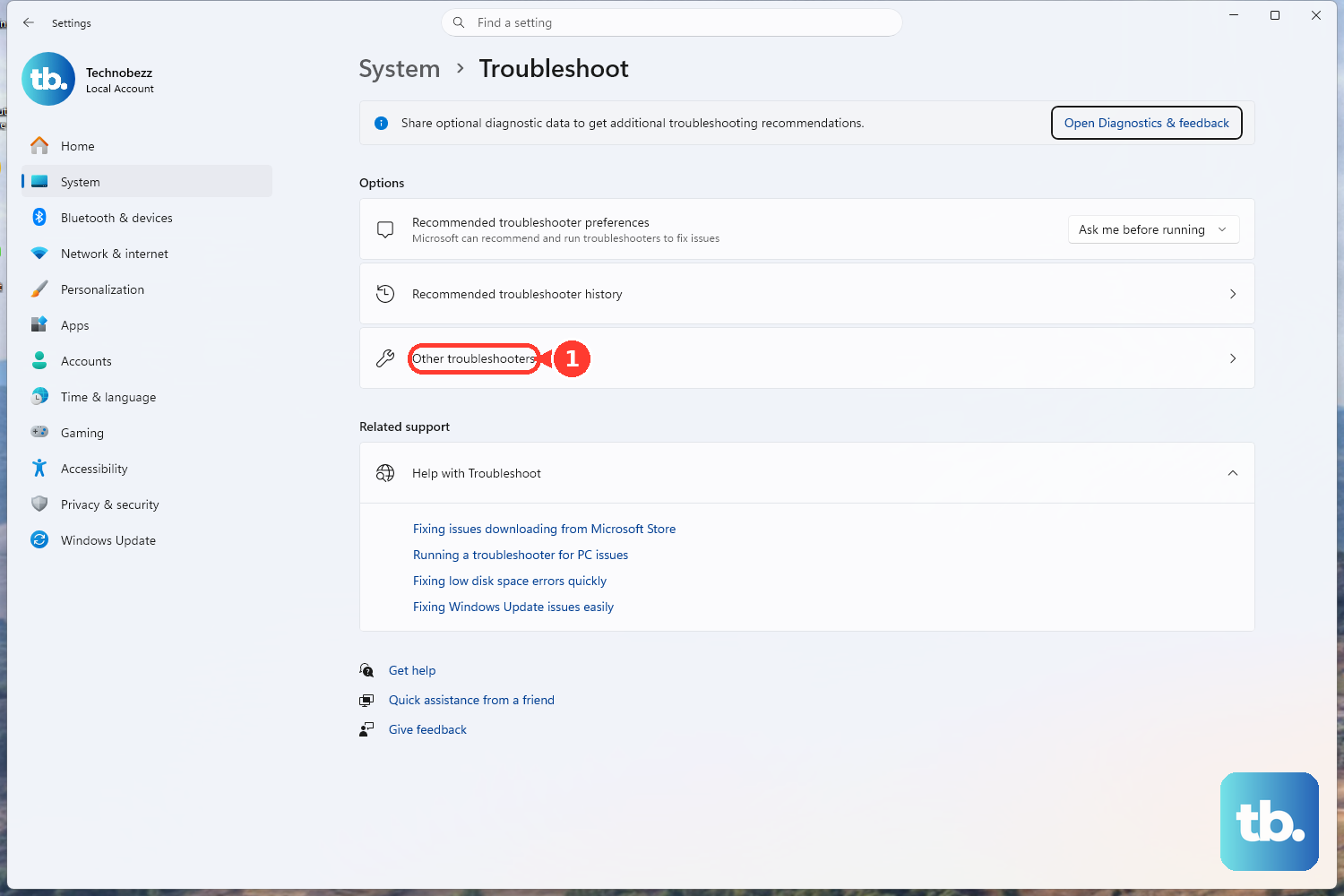
Windows has a built-in tool that can find and fix common audio glitches automatically. Go to Settings > System > Troubleshoot > Other troubleshooters. Find the Playing Audio troubleshooter and click Run. It will scan for issues like disabled services or incorrect default devices and often resolves them on the spot.
Restart Your XPS 15
This is the classic fix for a reason. A full restart reloads all your audio drivers and clears any stuck processes. Click Start > Power > Restart. I've found this is particularly effective if the audio stopped working after a recent Windows update or when waking the laptop from sleep mode.
Update Your Audio Drivers
Outdated or corrupted drivers are a frequent culprit. Press Windows + X and select Device Manager. Expand the Sound, video and game controllers section. Right-click your audio device (it's often Realtek Audio or something similar) and choose Update driver > Search automatically for drivers. If that doesn't help, you can try Uninstall device and then restart your laptop. Windows will install a fresh driver when it boots back up.
Use Dell SupportAssist for Updates
For an XPS 15, it's a good idea to check for updates through Dell's own tools. Open the Dell SupportAssist app and run a scan. It will check for not just audio drivers, but also BIOS and chipset updates that can affect system stability and hardware performance. A BIOS update has resolved audio issues for some users.
Check App-Specific Volume Mixer
Sometimes the system volume is fine, but a specific app is muted. Right-click the speaker icon in the taskbar and select Open Volume mixer. You'll see individual volume sliders for every open application. Make sure the app you're trying to use (like your web browser or media player) isn't set to zero or muted here.
Disable Audio Enhancements
Audio processing features can sometimes conflict with your hardware. Go to Settings > System > Sound. Click on your output device (your speakers) and scroll down to find Audio enhancements. Try setting this to Off. This simple toggle has fixed complete audio loss for many people.
Restart the Windows Audio Service
If the core audio service has stalled, nothing will work. Press Windows + R, type services.msc, and hit Enter. In the list, find Windows Audio. Right-click it and select Restart. Do the same for the Windows Audio Endpoint Builder service just below it. This can get sound back immediately.
Check for Physical and Port Issues
If you're using headphones or external speakers, test them on another device to rule out a problem with the accessory itself. Try plugging into a different USB-C port if you're using a USB-C adapter, as some XPS 15 models have had occasional port detection issues. For the built-in speakers, ensure the grilles along the bottom or sides of the laptop aren't obstructed.
Roll Back a Recent Driver Update
If your audio stopped working right after a Windows or driver update, you can revert to the previous version. Go back to Device Manager, double-click your audio device, and go to the Driver tab. If the Roll Back Driver button is clickable, select it. This will uninstall the new driver and reinstall the one that was working before.