
When your Dell XPS 13 shows a "USB Device Not Recognized" error or just doesn't see your flash drive, mouse, or external drive, it's a common but fixable hiccup. The problem usually sits with the port, the cable, a driver conflict, or a power setting that needs a quick adjustment.
Try a Different USB Port on Your XPS 13
Unplug the device and move it to another port on your laptop. The XPS 13 typically has a mix of USB-C and sometimes USB-A ports. If the device works in a different port, the original one might have a physical issue or a temporary fault.
This is the fastest way to rule out a hardware problem with the port itself. I'd start here, as it takes about ten seconds and gives you a clear direction.
Restart Your XPS 13
A full restart reloads all the USB drivers and resets the controller. Many detection glitches are just temporary software snags that a reboot clears up. Make sure you select "Restart" from the Start menu, not just putting the laptop to sleep and waking it.
This is especially relevant if the issue started after you connected or disconnected a device while the laptop was asleep. A restart forces everything to reinitialize from scratch.
Test the Device on Another Computer
Take your USB device and plug it into a different PC or laptop. If it isn't recognized there either, the problem is almost certainly with the device or its cable. If it works perfectly on another machine, then the issue is isolated to your XPS 13's configuration.
This step tells you where to focus your troubleshooting efforts, saving you time fiddling with drivers if the flash drive itself is dead.
Swap Out the USB Cable
For any device that uses a detachable cable, like an external hard drive or a phone, try a different cable. Cables fail over time, often right at the connectors where the wires bend.
A common pitfall is using a cable that only charges. It might power the device but lacks the working data lines needed for your computer to see it. Always try a cable you know works for data transfer.
Update or Reinstall USB Drivers
Press the Windows key, type "Device Manager," and open it. Look for the section called Universal Serial Bus controllers and expand it. Right-click on any entry with a yellow warning icon and choose Update driver.
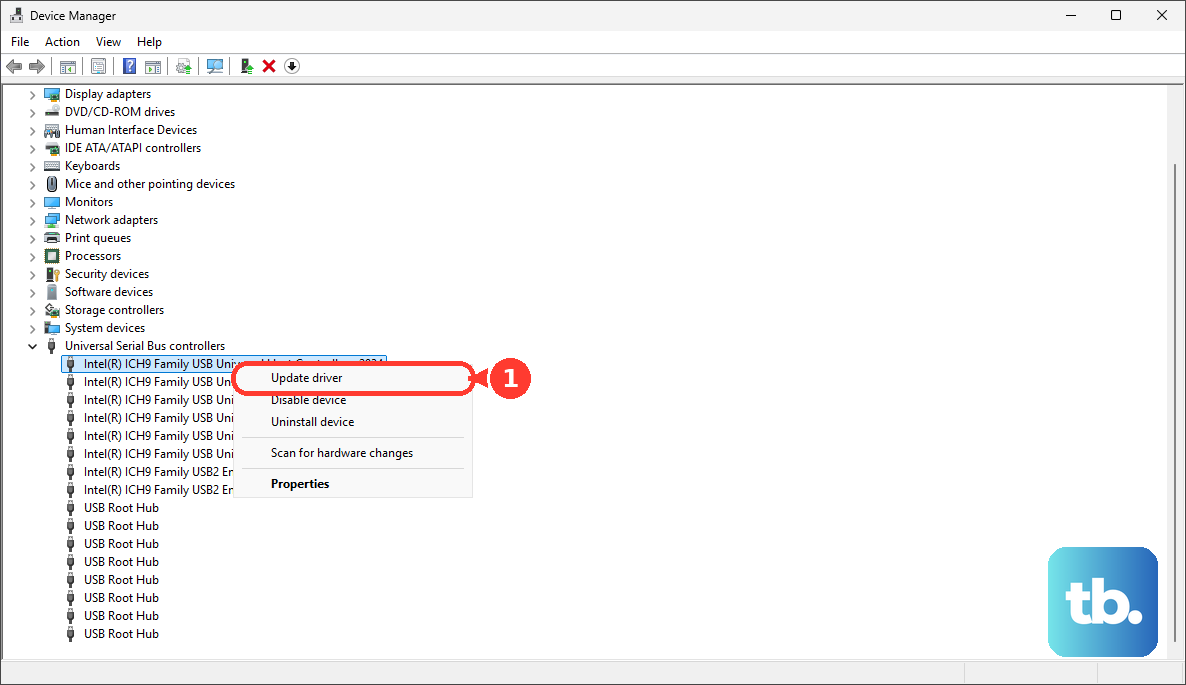
You can also try right-clicking on the specific USB host controller or the unknown device and selecting Uninstall device. Restart your XPS 13 afterward, and Windows will automatically reinstall the driver with a fresh copy, which often clears up corruption.
Run Dell SupportAssist for Driver Updates
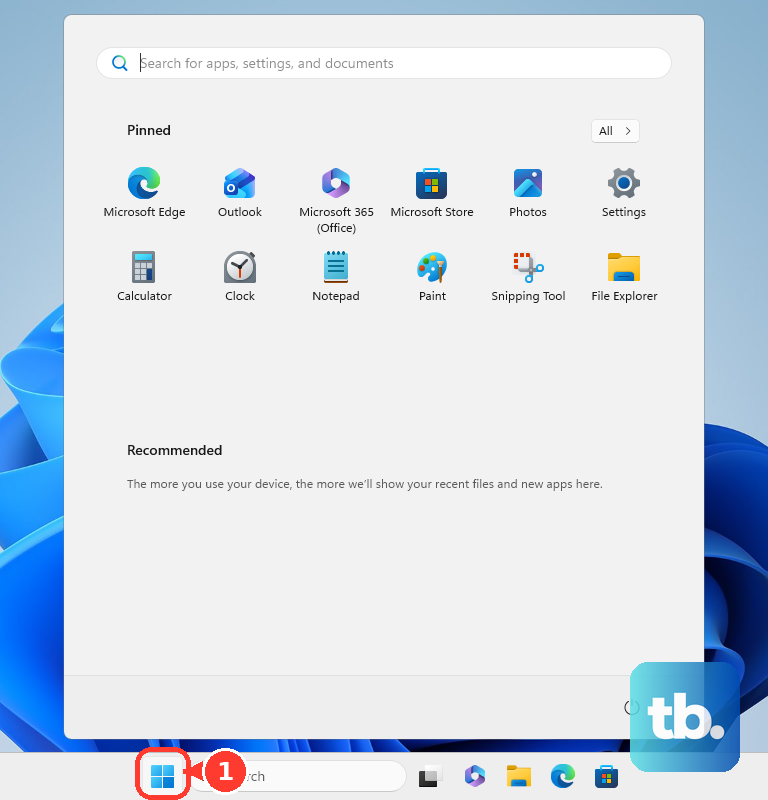
Dell's SupportAssist tool is built into your XPS 13 and can automatically find and install the correct drivers. Open the Start menu, search for "SupportAssist," and run it. Go to the driver update section and let it scan.
This is a reliable way to get manufacturer-approved drivers, which can be more stable than the generic ones Windows Update provides. It's a good step after a major Windows update, which sometimes introduces driver conflicts.
Disable USB Selective Suspend
This power-saving feature can sometimes turn off USB ports prematurely. To disable it, go to Control Panel > Hardware and Sound > Power Options. Next to your selected plan, click Change plan settings > Change advanced power settings.
In the new window, scroll down and expand USB settings, then expand USB selective suspend setting. Set both "On battery" and "Plugged in" to Disabled. Click Apply and OK. This keeps your USB ports active all the time.
Check for Windows Updates and Optional Drivers
Go to Settings > Windows Update and click "Check for updates." Install all available updates. After that, click Advanced options > Optional updates.
If there are any driver updates listed here, particularly for system devices or USB, install them. Microsoft and Dell frequently push compatibility fixes through this channel that can resolve detection problems.
Use the Hardware and Devices Troubleshooter
Windows has a built-in tool for this. Press the Windows key, type "cmd," right-click on Command Prompt, and select Run as administrator. In the window, type the command msdt.exe -id DeviceDiagnostic and press Enter.
This will launch the troubleshooter. Follow the prompts to let it scan for problems with connected hardware. It can often find and fix configuration issues with USB controllers automatically.