
A trackpad that suddenly stops working on your Dell XPS 13 can bring your productivity to a complete halt. Whether the cursor is frozen, clicks aren't registering, or multi-finger gestures have failed, these solutions will get you back on track.
Check the Touchpad Toggle Key
Your XPS 13 has a dedicated function key to quickly enable or disable the trackpad. Look at the top row of your keyboard for the key with a touchpad icon, which is typically the F6 key. Press the Fn key and the F6 key together to toggle the trackpad state. You can also check the software setting by navigating to Settings > Bluetooth & devices > Touchpad and ensuring the touchpad is turned on.
Perform a Full Restart
If the trackpad stopped responding after waking from sleep or a Windows update, a simple restart is often the fastest fix. This reloads the driver and clears any temporary glitches. Use your keyboard to tab through the Start menu: press the Windows key, use the arrow keys to highlight the power icon, press Enter, and select Restart.
Unplug Any External Mice or Docks
Windows and some Dell drivers have a feature that automatically disables the internal trackpad when an external pointing device is connected. Unplug any USB or Bluetooth mice, and if you're using a Thunderbolt dock, try disconnecting it. After removing the external device, give the trackpad a moment and then test it. You can manage this setting in Settings > Bluetooth & devices > Touchpad.
Update Your Drivers with Dell SupportAssist
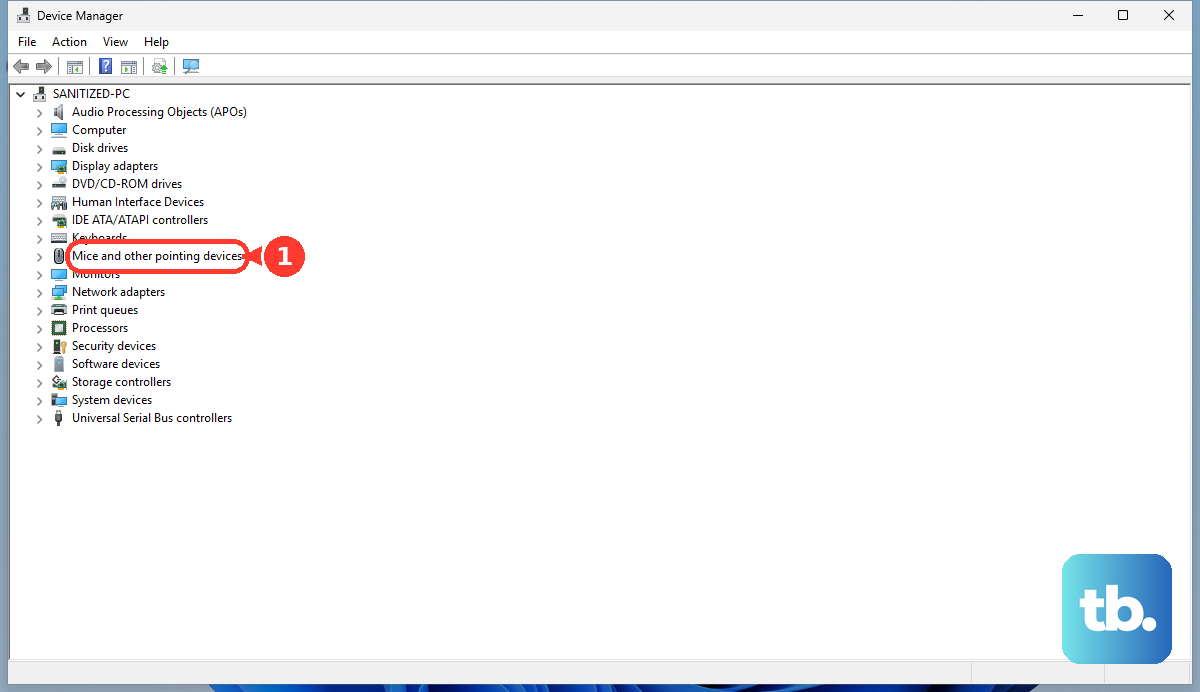
Outdated or corrupted touchpad drivers are a common culprit. The easiest way to handle this is to run Dell SupportAssist, which will automatically scan for and install the latest drivers specific to your XPS 13 model. If you prefer to do it manually, open Device Manager, expand Mice and other pointing devices, right-click on "Dell Touchpad" or "Precision Touchpad," and select Update driver.
Clean the Trackpad Surface
The precision glass surface of the XPS 13 trackpad can become unresponsive if there's grease, moisture, or lotion on your fingers or the pad itself. Power off the laptop and gently wipe the trackpad with a dry, soft microfiber cloth. For stubborn smudges, slightly dampen a corner of the cloth with water, wipe the surface, and then dry it immediately with another part of the cloth.
Reinstall the Touchpad Driver
If updating didn't work, a clean reinstall might. In Device Manager, right-click on your Dell Touchpad driver under Mice and other pointing devices and choose Uninstall device. Check the box that says "Attempt to remove the driver software for this device" if it appears. Restart your XPS 13. Windows will install a basic driver upon reboot. For full functionality, I'd then visit the Dell support website, enter your service tag, and download the official touchpad driver to install manually.
Run the Windows System File Checker
Corrupted Windows system files can sometimes interfere with hardware like the trackpad. To check for this, type "cmd" in the Windows search bar, right-click on Command Prompt, and select Run as administrator. In the window that opens, type sfc /scannow and press Enter. The process will take a few minutes. If it finds and repairs any issues, restart your computer when it's done.
Check BIOS Settings
It's rare, but the trackpad can be disabled in the system BIOS. To check, restart your XPS 13 and immediately start tapping the F2 key repeatedly until the Dell BIOS setup screen appears. Use your keyboard's arrow keys to navigate. Look for a section like "System Configuration" or "Advanced" and find an option for "Internal Pointing Device" or "Touchpad." Make sure it is set to "Enabled." Save and exit, usually by pressing F10.
Consider a System Restore or Reset
If the problem started after a recent software or driver update, using System Restore can roll your computer back to a point before the issue began. Search for "Create a restore point" in Windows, open the System Properties window, and click on System Restore. If no restore points are available, or if the problem is persistent, you can use the Dell recovery options. Restart and press F8 during boot to access the Advanced Startup options, where you can choose to reset your PC while keeping your files.