
When your Dell Inspiron 14 goes silent, it's often a quick software setting or a driver that needs a nudge. I'd start with the basics and work through these steps to get your sound back.
A browser based online speaker test helps narrow this down fast. If test tones play clearly, the speakers work and the problem lives in an app or setting.
Check the Volume and Output
First, click the speaker icon in your taskbar. Make sure the master volume slider isn't all the way down or muted with a red "X". Right above the slider, click to see which output device is selected. If you recently unplugged headphones, Windows might still be trying to send audio to them. Choose your laptop's speakers from that list.
Run the Windows Audio Troubleshooter
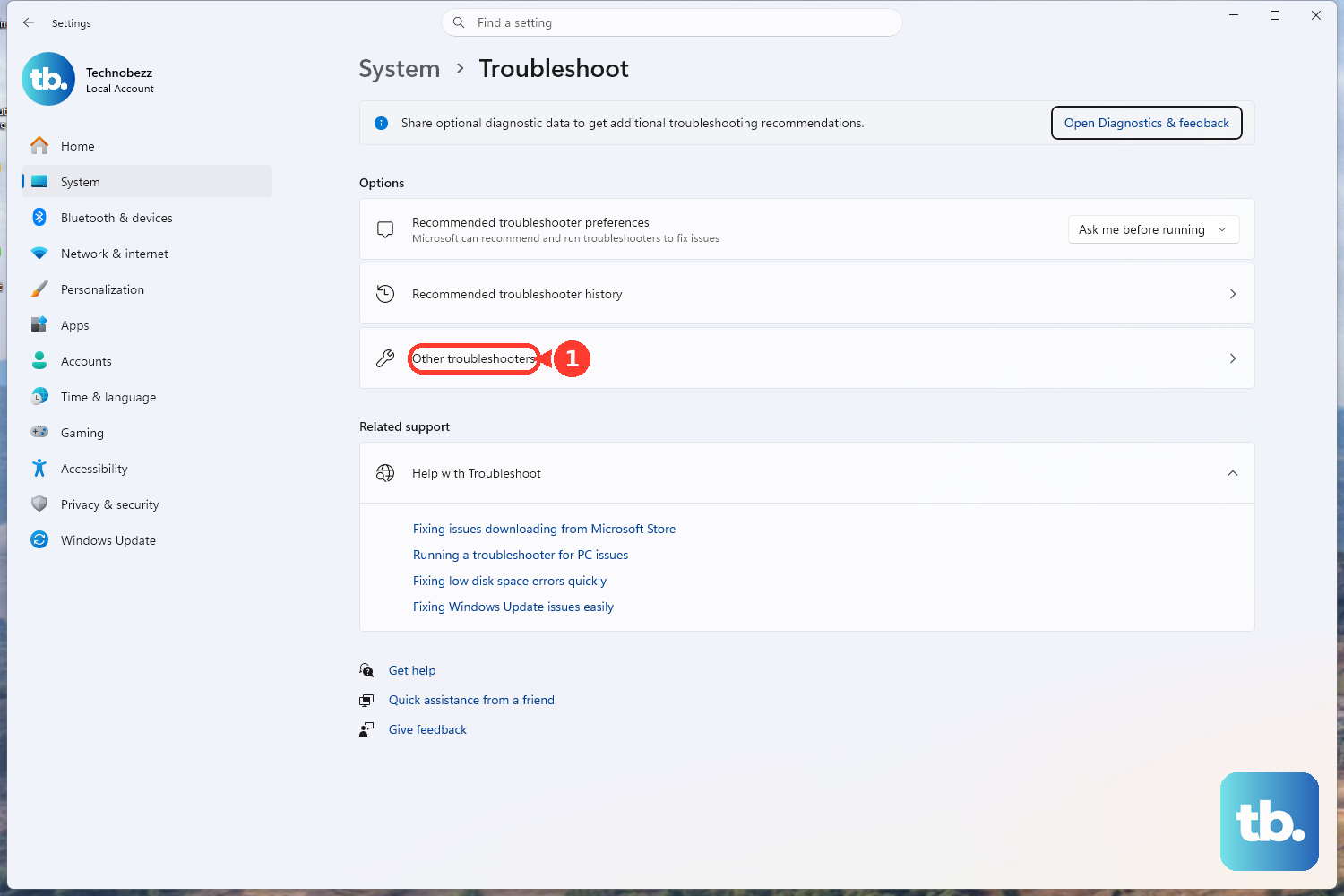
Windows has a built-in tool for this. Go to Settings > System > Troubleshoot > Other troubleshooters. Find the Playing Audio troubleshooter and click Run. It will automatically check for common issues like disabled services or incorrect default devices and can often fix them on the spot.
Restart Your Inspiron
This is the classic fix for a reason. A full restart clears out any stuck audio processes and reloads all the drivers. Click the Start menu, select the power icon, and choose Restart. This is particularly effective if the sound stopped after a Windows update or when waking the laptop from sleep.
Update or Reinstall Audio Drivers
Driver issues are a common culprit for audio problems on the Inspiron 14, especially after updates. Press the Windows key + X and select Device Manager. Expand the Sound, video and game controllers section. Right-click on your audio device (it's often Realtek High Definition Audio) and select Update driver, then Search automatically for drivers.
If that doesn't work, right-click the device again and choose Uninstall device. Restart your laptop, and Windows will attempt to install a fresh driver automatically. For the most accurate driver, use your Inspiron's Service Tag on the Dell support website to find the exact audio driver for your specific model.
Use Dell SupportAssist
Your Dell Inspiron 14 likely came with Dell SupportAssist pre-installed. Open it and run a scan. It's designed to detect outdated or problematic drivers, including audio, and can download and install the correct versions directly from Dell. This tool takes the guesswork out of finding the right driver.
Check the App Volume Mixer
Sometimes the system volume is fine, but a specific app is muted. Right-click the speaker icon in the taskbar and select Open Volume mixer. You'll see individual volume sliders for each open application. Make sure the app you're trying to hear isn't set to zero or muted.
Disable Audio Enhancements
Audio enhancements can sometimes conflict and cause sound to drop out. Go to Settings > System > Sound. Click on your output device (the speakers), then click Audio enhancements below. Set the dropdown menu to Off and test your audio.
Restart Windows Audio Services
Press Windows key + R, type services.msc, and hit Enter. In the Services window, scroll down and find Windows Audio. Right-click it and select Restart. Do the same for the Windows Audio Endpoint Builder service. This resets the core audio components.
Run Dell Diagnostics
If you suspect a hardware issue, you can run a built-in test. Restart your Inspiron 14 and press the F12 key repeatedly as it boots up. This brings up the one-time boot menu. Use the arrow keys to select Diagnostics and press Enter. The system will run a hardware check, including tests on the audio subsystem, and report any failures.
Roll Back a Problematic Driver
If your audio stopped working right after a driver update, you can revert to the previous version. Go back to Device Manager under Sound, video and game controllers. Double-click your audio device, go to the Driver tab, and click Roll Back Driver if the button is available. This will revert to the driver that was installed before the last update.