A good soundbar transforms thin, tinny TV audio into something you can actually enjoy without cranking the volume. The Samsung HW-B550F is the best all-around pick at this price, but the right choice depends on whether you want room-shaking bass, true surround sound, or just clearer dialogue.
Technobezz is supported by its audience. We may get a commission from retail offers.
Best Soundbars Under $300 for 2026
The Samsung HW-C450 is the best all-around pick at this price, but the right choice depends on whether you want room-shaking bass, true surround sound, or just clearer dialogue.
T
Technobezz
Senior Editor
Updated September 5, 2026Sep 5, 2026
•10 min read

Get Deals Like These in Your Inbox
The best prices, reviewed weekly.
At a Glance
| Category | Product | Why We Picked It |
|---|---|---|
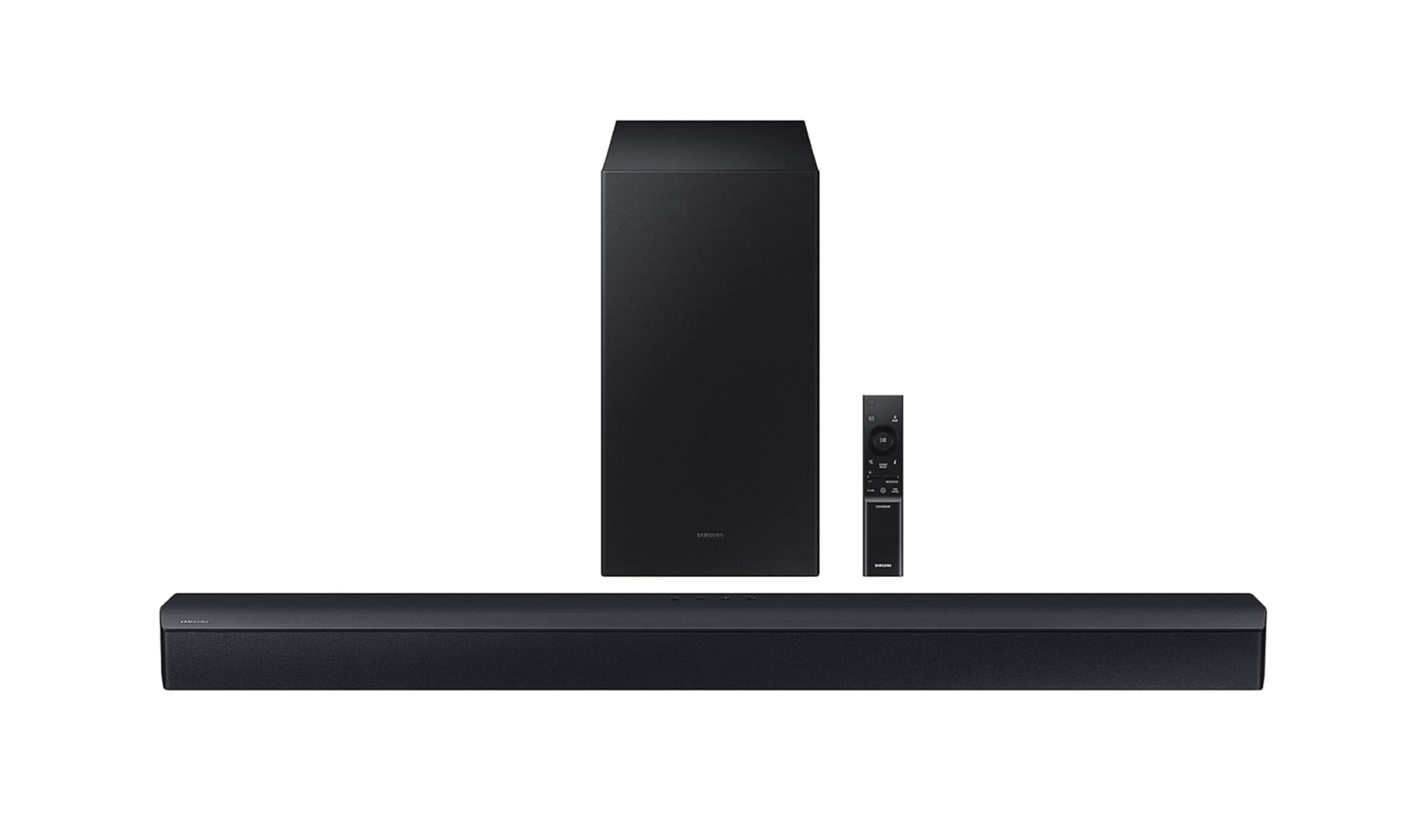
| Best overall | Samsung HW-B550F | Solid 2.1 performance with DTS Virtual:X and a wireless subwoofer |
| Best surround | Vizio 5.1 Soundbar SV510XW | 5.1 system with Dolby Atmos, DTS:X, a wireless subwoofer and two wireless surround speakers |
| Best for dialogue | Bose TV Speaker | Compact bar with dedicated dialogue enhancement |
| Best bass | JBL Bar 2.1 Deep Bass (MK2) | 300W max output with a 6.5-inch wireless subwoofer and HDMI ARC for deep, room-filling bass |
| Best compact | Sony S100F | Slim 35.4-inch design with S-Force Pro surround |
| Also recommended | Ultimea Poseidon M60 | Budget-friendly 5.1 soundbar with Dolby Atmos, 300W output, and wired subwoofer |
| Also recommended | Samsung HW-B630F | 3.1 channel system with a dedicated center speaker for superior dialogue clarity |
How we chose and tested
We evaluated soundbars based on audio clarity, bass response, connectivity options, build quality, and value for money across multiple professional reviews and user feedback. Our assessment prioritizes models that deliver noticeable improvements over built-in TV speakers without adding complexity. We looked for consistent praise across sources regarding dialogue intelligibility, subwoofer integration, and ease of setup. Room size and channel configuration were factored in to match recommendations to real living spaces.
The best soundbars under $300 right now
Samsung HW-B550F - Best overall
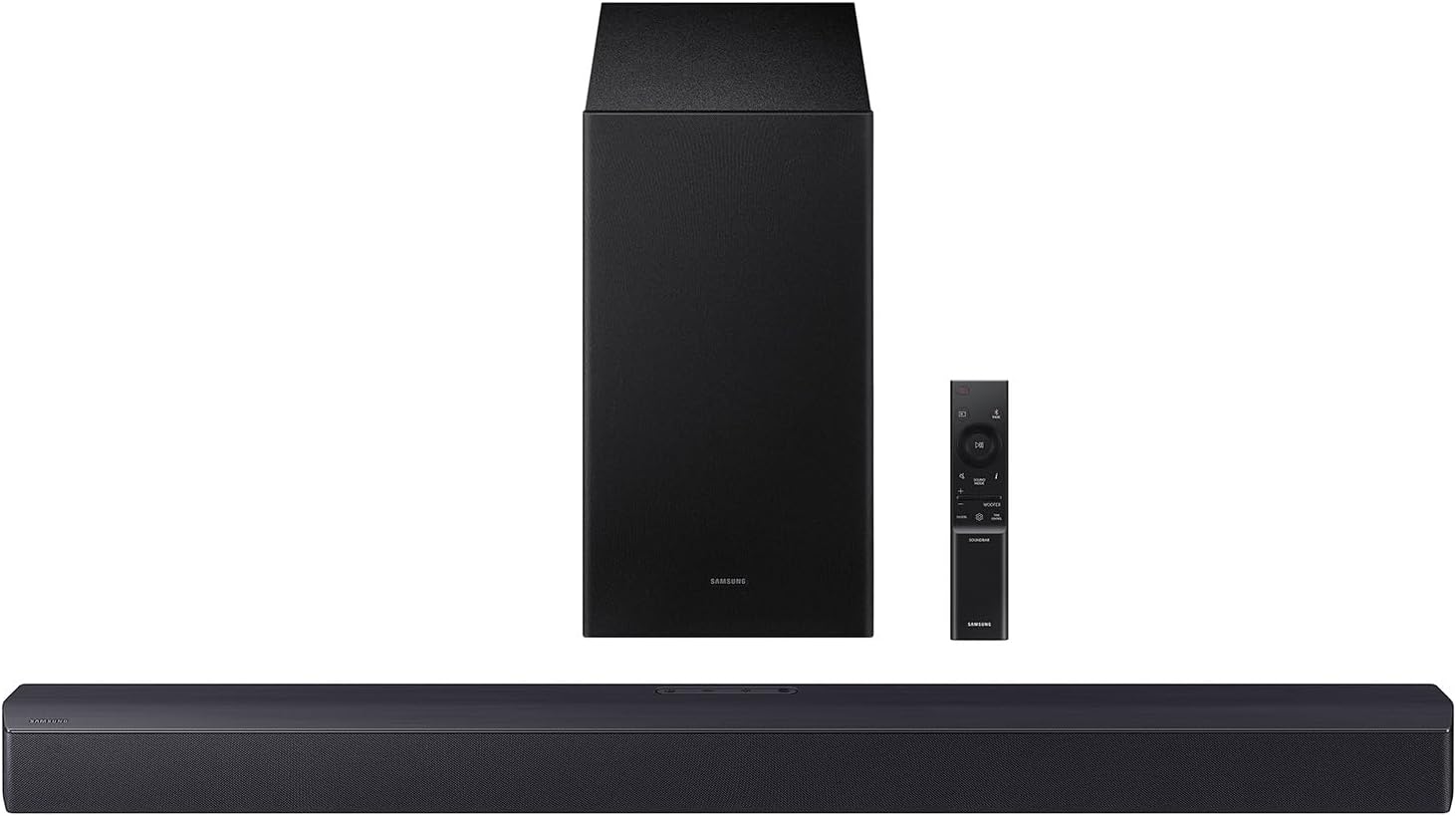
The Samsung HW-B550F covers the basics without asking much of you. It is a 2.1 channel setup with the wireless subwoofer in the box, so nothing runs between the sub and the bar. DTS Virtual:X and Surround Sound Expansion widen the stage without rear speakers, Voice Enhance Mode lifts dialogue, and Adaptive Sound changes the settings to suit whatever is playing. HDMI ARC with CEC hands volume to your TV remote, and One Remote Control lets a Samsung TV remote drive the bar directly. An optical input and USB music playback cover older sources.
Key highlights
- 2.1 channels with the wireless subwoofer included
- DTS Virtual:X and Surround Sound Expansion modes
- Adaptive Sound matches the settings to the content
- Game and Night Mode sound presets
- HDMI ARC with CEC, optical input and USB music playback
Pros
- Wireless subwoofer comes in the box
- Voice Enhance Mode makes dialogue easier to follow
- One Remote Control works with Samsung TVs
- Remote and wall mount bracket are both included
Cons
- Dolby decoding stops at 2 channels, so no Dolby Atmos
- No HDMI input, only the HDMI output for ARC
- No Wi-Fi, and Bluetooth is version 4.2
- No dedicated center channel for dialogue
Who it is for: First-time soundbar buyers who want a clear upgrade over TV speakers, and Samsung TV owners who would rather keep using one remote.
Skip if
You want Dolby Atmos, Wi-Fi streaming, or rear speakers in the box. Samsung sells wireless rears for this bar, but they are a separate purchase.
Vizio 5.1 Soundbar SV510XW - Best for surround sound
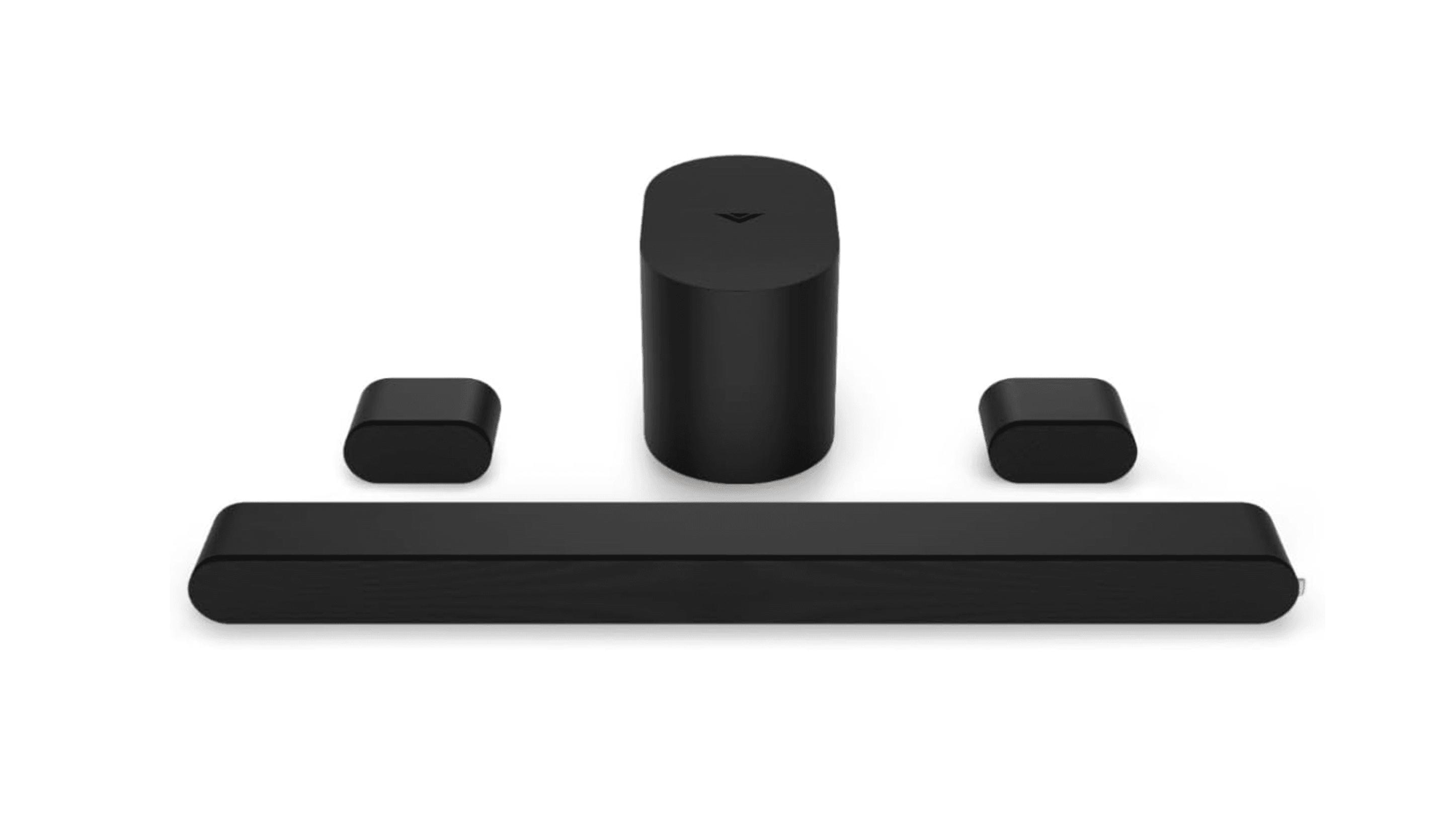
The Vizio 5.1 Soundbar SV510XW pairs a 33-inch bar with a wireless compact subwoofer and two wireless surround speakers, and it decodes both Dolby Atmos and DTS:X. The surrounds are independently powered, so each one needs a wall outlet, but nothing runs back to the subwoofer or the bar. Setup is one included HDMI cable to the ARC or eARC port on your TV, and the Vizio mobile app handles surround volume, balance and dialogue settings.
Key highlights
- 5.1 channels with two wireless surround speakers
- Dolby Atmos and DTS:X support
- Wireless compact subwoofer
- HDMI eARC with the cable included in the box
- QuickFit mounting for select Vizio TVs
Pros
- Separate rear speakers carry the surround channels
- No speaker cable between the surrounds and the subwoofer
- Your TV remote controls volume and mute over HDMI eARC
- App adjusts surround volume, balance and dialogue
Cons
- Soundbar remote control sold separately
- Subwoofer and both surrounds need their own power outlets
- App control and settings require a Walmart account
- No optical input on the bar
Who it is for: Movie viewers who have room behind the seating area and a power outlet near each surround speaker position.
Skip if
You have no outlets near the rear speaker positions, or you want everything in a single bar.
Bose TV Speaker - Best for dialogue clarity
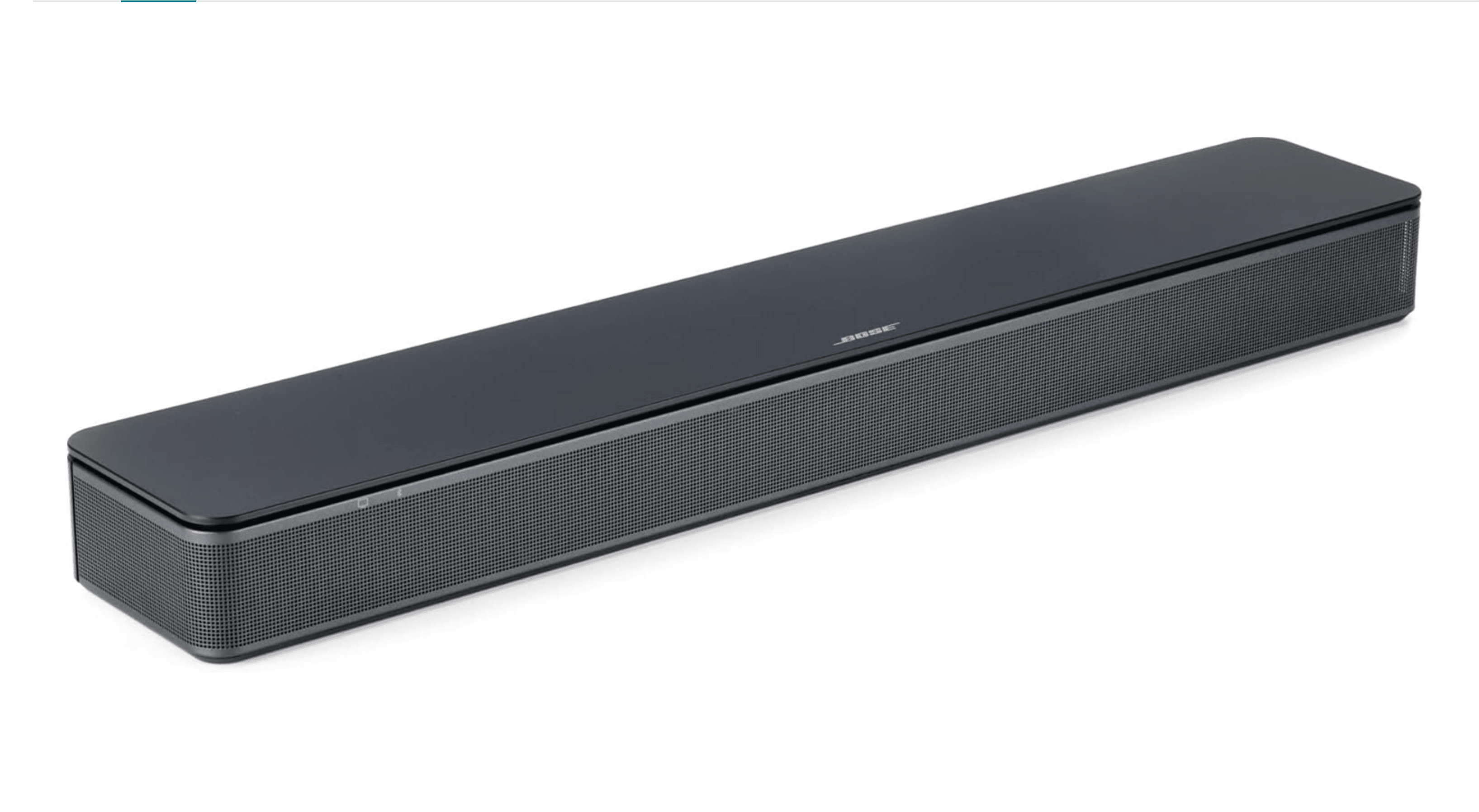
The Bose TV Speaker is built around one goal: making TV dialogue easier to understand. Two angled full-range drivers and a center tweeter work together to lift vocal frequencies out of the mix. The dedicated Dialogue Mode sharpens speech without making it sound processed or artificial. At just over 2 inches tall and 23 inches wide, this compact bar fits under most TVs without blocking the screen or IR sensor. Setup is as simple as it gets: one optical cable (included) or HDMI connection to your TV and you are running in minutes.
Key highlights
- 2.0 channel all-in-one design with center tweeter
- Dialogue Mode enhances vocal clarity
- Compact at 2.2 inches tall, fits under most TVs
- HDMI ARC and optical inputs for easy setup
- Expandable with Bose Bass Module later
Pros
- Outstanding dialogue clarity at any volume
- Simple plug and play setup with included optical cable
- Compact size works in tight spaces
- HDMI CEC lets your TV remote control volume
Cons
- No subwoofer included (bass is limited)
- Bluetooth 4.2 is older and can have latency
- No Wi-Fi or app control
- Pricier for the features you get compared to competitors
Who it is for: Anyone who struggles to hear dialogue during movies and TV shows. Perfect for bedrooms, dens, and apartments where simplicity matters more than bass impact.
Skip if
You want deep bass for action movies or need a system that fills a large living room. The Bose TV Speaker focuses on clarity, not punch.
JBL Bar 2.1 Deep Bass (MK2) - Best for bass performance
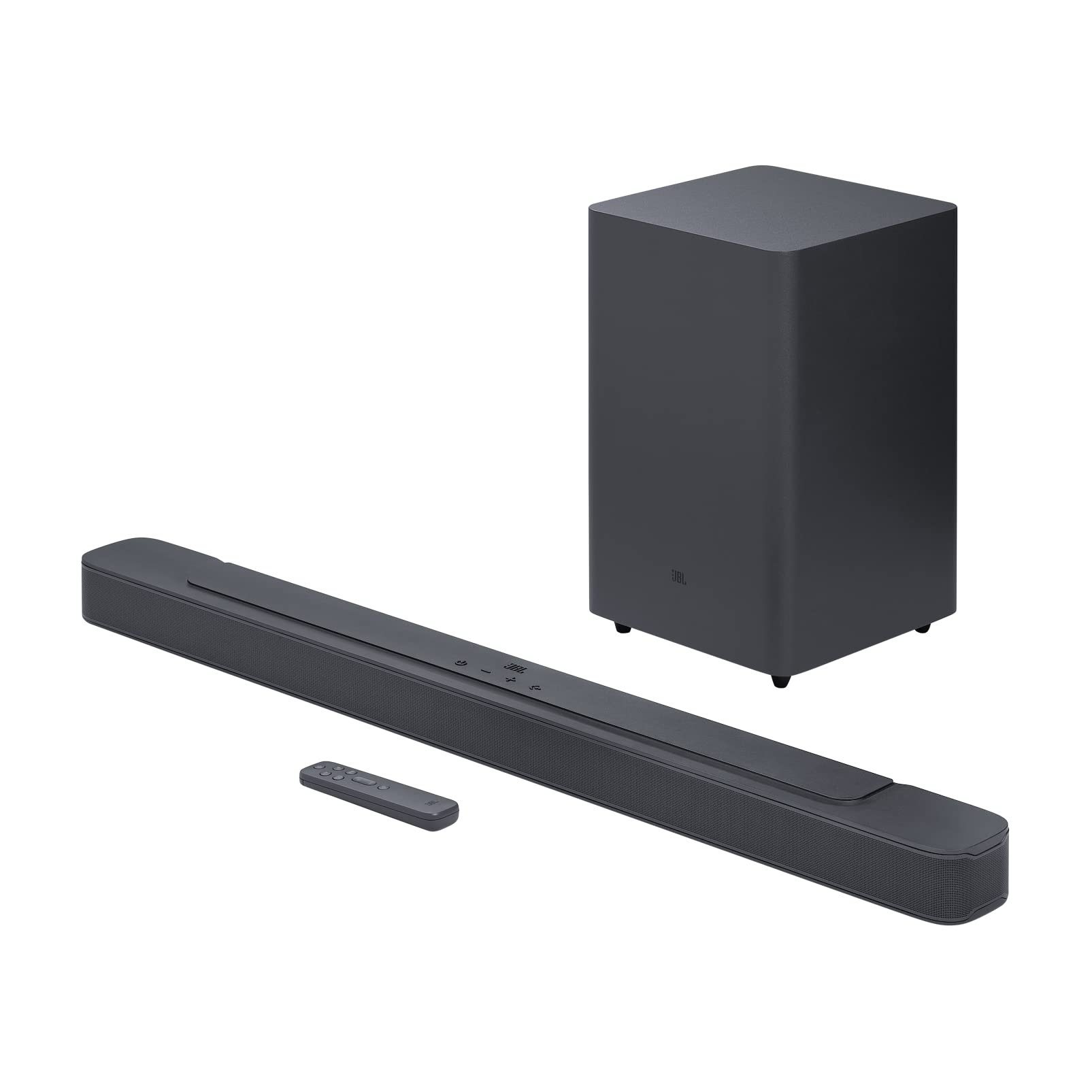
JBL built the Bar 2.1 Deep Bass MK2 around its 6.5-inch wireless subwoofer, and that focus shows. The sub delivers tight, punchy low-end that fills a living room and gives action scenes and music real weight. The 300W max output, split between the bar and the subwoofer, leaves plenty of headroom for medium to large rooms. The soundbar itself uses four racetrack drivers paired with two tweeters for clear detail, while three bass levels on the remote let you ease off for late night viewing or push it forward on movie night. HDMI ARC and Bluetooth pairing are quick and stable, and JBL Surround Sound widens the soundstage beyond the physical bar.
Key highlights
- 2.1 channel system with a 6.5-inch wireless subwoofer
- 300W max total output across the bar and subwoofer
- Four racetrack drivers paired with two tweeters in the bar
- HDMI ARC, optical, USB, and Bluetooth inputs
- Dolby Digital decoding with JBL Surround Sound and three bass levels
Pros
- Deep, room-filling bass from the large 6.5-inch subwoofer
- HDMI ARC pairs cleanly and Bluetooth stays stable
- Simple remote with dedicated buttons for each input
- Compact bar fits neatly under most TVs
Cons
- Only a single HDMI input limits connecting multiple devices
- No Wi-Fi streaming or app-based control
- Sound tuning is limited to low, medium, and high bass
- Front display scrolls settings and cannot be switched off
Who it is for: Bass lovers who want to feel action movies and music. Perfect for medium to large rooms where impactful low frequencies matter most.
Skip if
You live in an apartment with thin walls or want fine-grained EQ control. The JBL is built for punch and simplicity, not detailed tuning.
Sony S100F - Best compact design
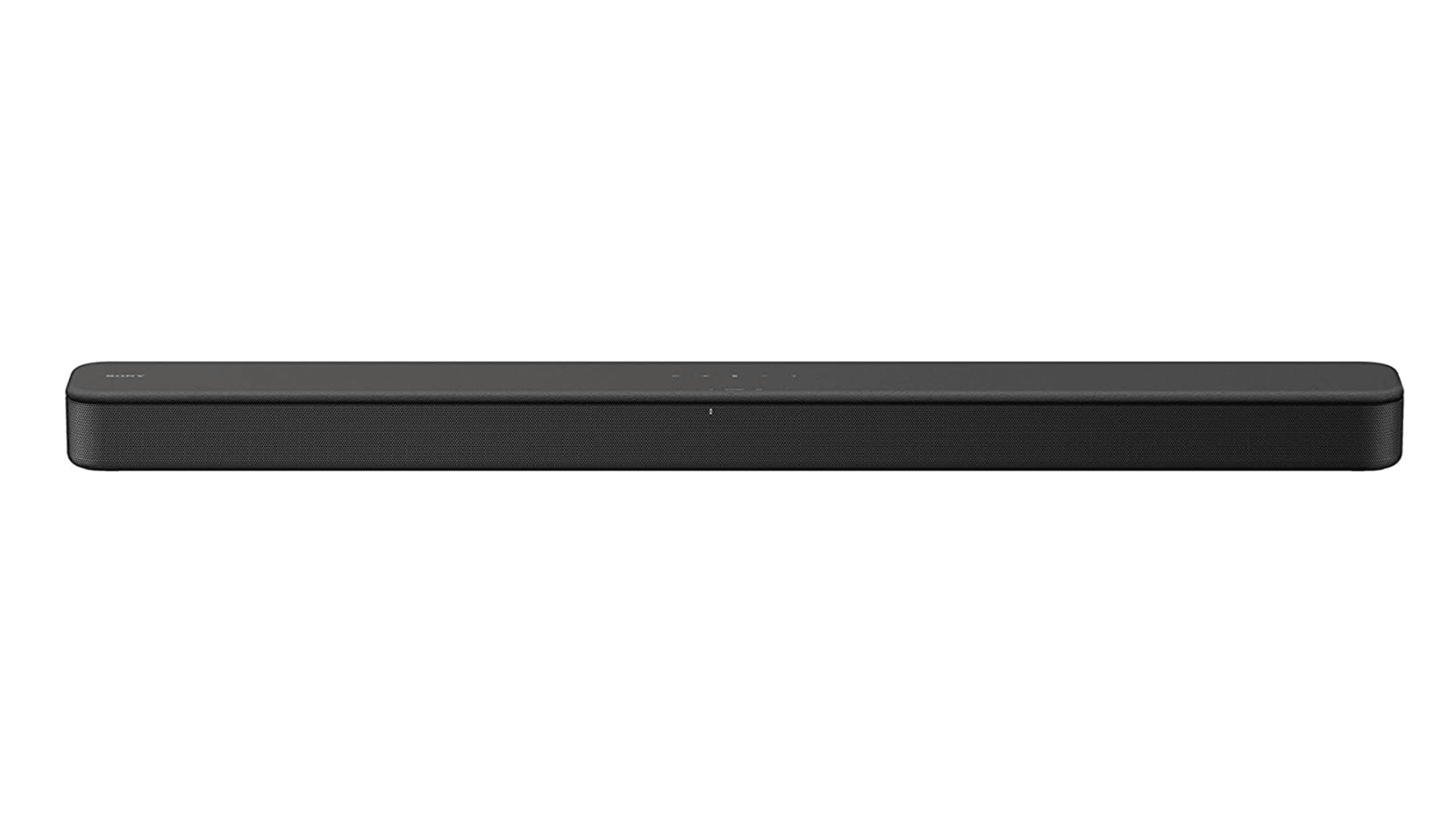
The Sony S100F is a slim all-in-one bar at about 2.5 inches tall. Sony lists it at 35-1/2 inches wide, though, which is wider than the Bose TV Speaker in this guide, so measure your console first. The 120W output with Bass Reflex speaker delivers fuller sound than the slim cabinet suggests. S-Force Pro Front Surround processing creates a wide stereo image that extends beyond the physical bar. The included remote has a Night Mode that compresses dynamic range for late night viewing, a feature usually reserved for pricier models.
Key highlights
- Compact 35.4-inch width fits under compatible TVs
- 120W output with Bass Reflex speaker
- S-Force Pro Front Surround for wide soundstage
- Night Mode for low-volume late night listening
- HDMI ARC with CEC for TV remote control
Pros
- Space-saving size works in tight setups
- Clear, balanced sound for the size
- Easy setup with HDMI ARC or optical
- Night Mode is genuinely useful
Cons
- Limited bass without a separate subwoofer
- No Wi-Fi connectivity
- Not loud enough for large rooms
- Voice mode can disable ARC in some configurations
Who it is for: Anyone with a smaller TV or limited shelf space who wants a clear audio upgrade. Works great in bedrooms, offices, and apartments.
Skip if
You want deep bass or need to fill a large living room. The S100F is designed for compact spaces, not home theaters.
Also Good
- Ultimea Poseidon M60 - budget-friendly 5.1 soundbar with Dolby Atmos, 300W output, and wired subwoofer.
- Samsung HW-B630F - 3.1 channel system with a dedicated center speaker for superior dialogue clarity.
How to Choose
- Channel configuration matters. A 2.1 system (two speakers plus a subwoofer) is sufficient for most small to medium rooms. Go with 5.1 if you have the space for rear speakers and want true surround sound. The extra channels make a real difference for action movies and gaming.
- Room size determines power needs. A compact soundbar that sounds great in a 12x12 bedroom will feel thin in a large open-concept living room. Measure your space and add about 25% more power capacity for rooms over 300 square feet.
- HDMI ARC is worth prioritizing. This connection lets your TV remote control the soundbar volume and powers the bar on and off with your TV. Optical cables work but require juggling a second remote. If your TV supports HDMI ARC, use it.
- Dialogue enhancement varies by brand. Some soundbars have dedicated dialogue modes that genuinely improve speech clarity. Others just boost the overall volume. If watching dialogue-heavy content is your main use, prioritize models with proven voice enhancement features.
- Subwoofer placement affects bass quality. Wireless subwoofers give you flexibility to place them where they sound best, usually in a corner for deeper bass. Wired subs limit placement but avoid pairing issues. Consider your room layout before choosing.
FAQ
Is a soundbar under $300 worth buying?
Absolutely. Even an entry-level soundbar delivers dramatically better audio than built-in TV speakers. Modern flat TVs have tiny drivers that fire downward or backward, producing thin, muddy sound. A soundbar with front-facing drivers and a subwoofer solves this immediately.
Do I need Dolby Atmos at this price?
Not really. Budget Atmos soundbars use virtual processing to simulate height effects, which works fine in rooms with flat ceilings under 9 feet. Dialogue clarity and overall sound quality matter more than Atmos at this price point. Save it as a nice bonus, not a deciding factor.
Can I use a soundbar with an older TV?
Yes. Most soundbars under $300 include optical inputs that work with any TV made in the last 15 years. If your TV has HDMI ARC, use that for better audio quality and single remote control. Optical cables are often included in the box.
How important is a separate subwoofer?
Very important for movies and music. Soundbars without subwoofers struggle to reproduce frequencies below 80Hz, which means explosions lack impact and music sounds thin. A 2.1 system with a wireless subwoofer is the sweet spot for most buyers at this budget.
Will rear surround speakers work in a small room?
Yes, but placement matters. In rooms under 200 square feet, rear speakers can be placed on side tables or shelves behind the seating area. If you cannot run wires to the back of the room, stick with a 2.1 system that uses virtual surround processing instead.
Published May 19, 2026 Last updated September 5, 2026
Share this article
More in News
8 Best Battery Powered Doorbell Cameras for 2026
The best battery-powered doorbell cameras for 2026, led by the Google Nest Doorbell for free AI alerts and the Wyze Pro for the best value near $100.
4 min read
Best Field Recorders in 2026
The Tascam DR-40X tops our list of the best field recorders in 2026, offering four-track recording and XLR inputs for nature, interviews, or music.
4 min read
9 Best Floodlight Cameras for 2026
The best floodlight cameras for 2026, from the Eufy E340 with dual cameras and no fees to bright budget Blink and 4K Reolink picks (about $30 to $230).
5 min read
5 Best Vacuums for Tile Floors in 2026
The 5 best vacuums for tile floors in 2026, led by the Shark Navigator Lift-Away NV356E, plus top cordless, robot, value, and canister picks from $30 to $820.
5 min read
Best Cameras for Live Streaming in 2026
3 min read
8 Best External SSDs for Gaming in 2026
5 min read
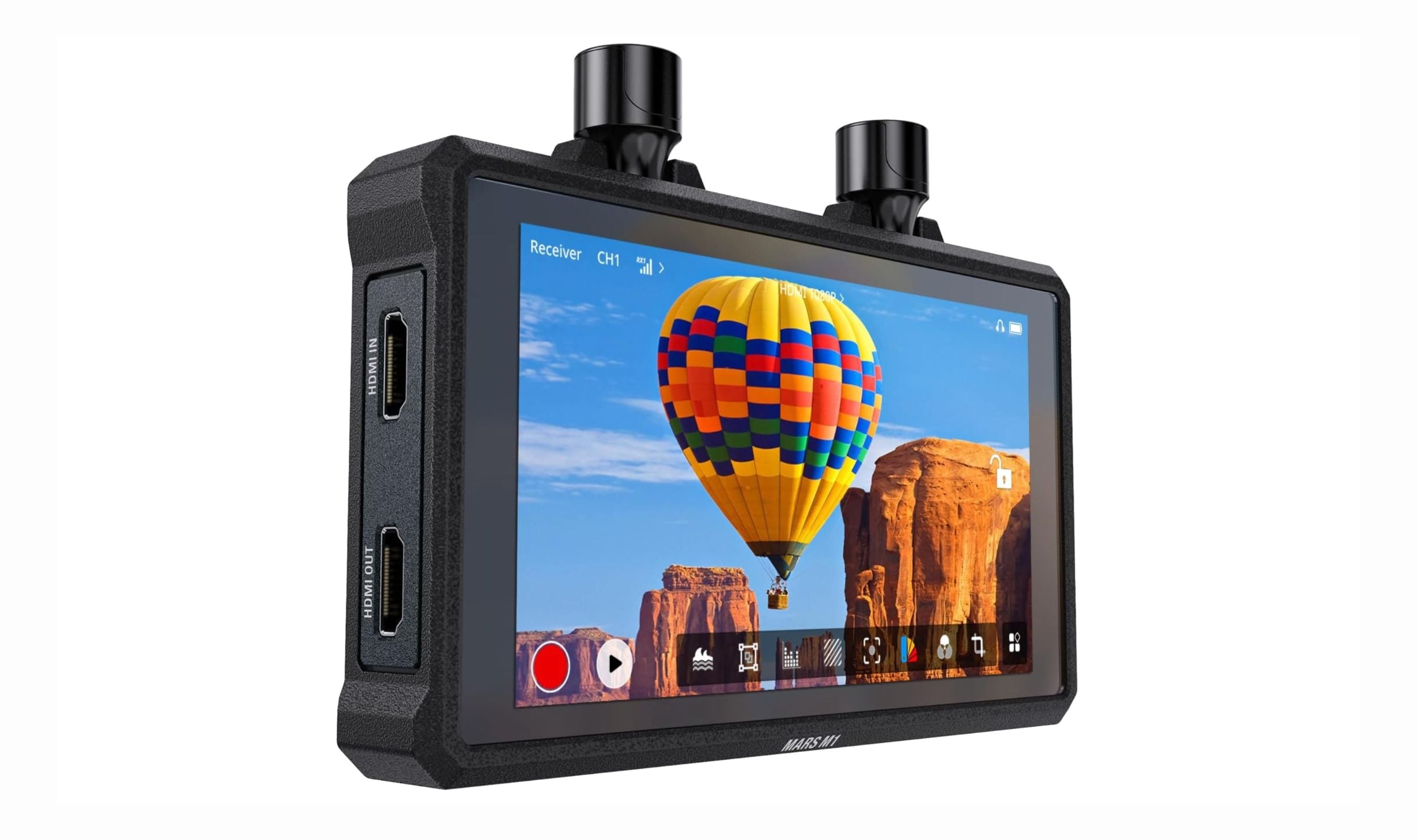
Best Wireless and Wired Camera Monitors for 2026
5 min read
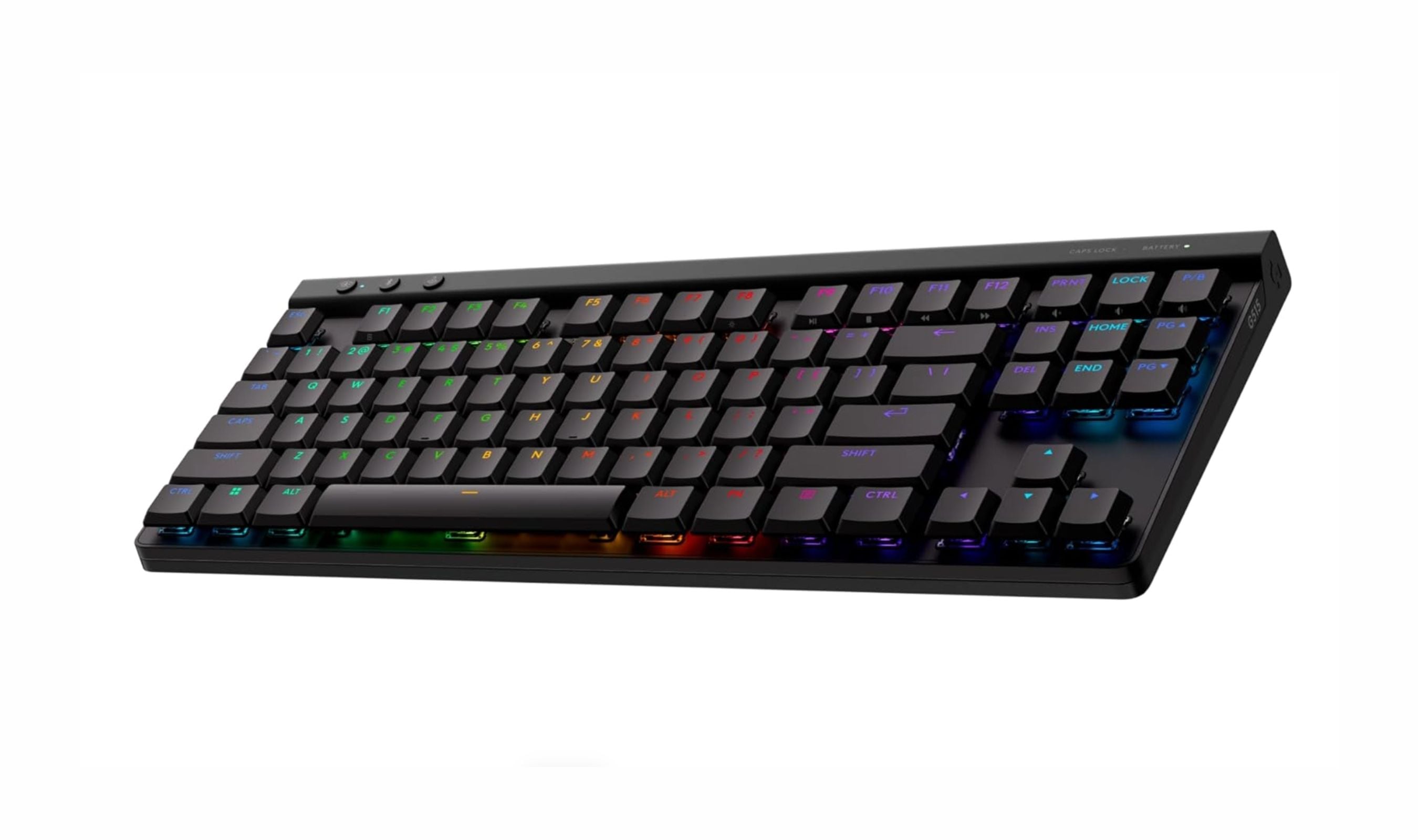
Best Low Profile Mechanical Keyboards in 2026
3 min read
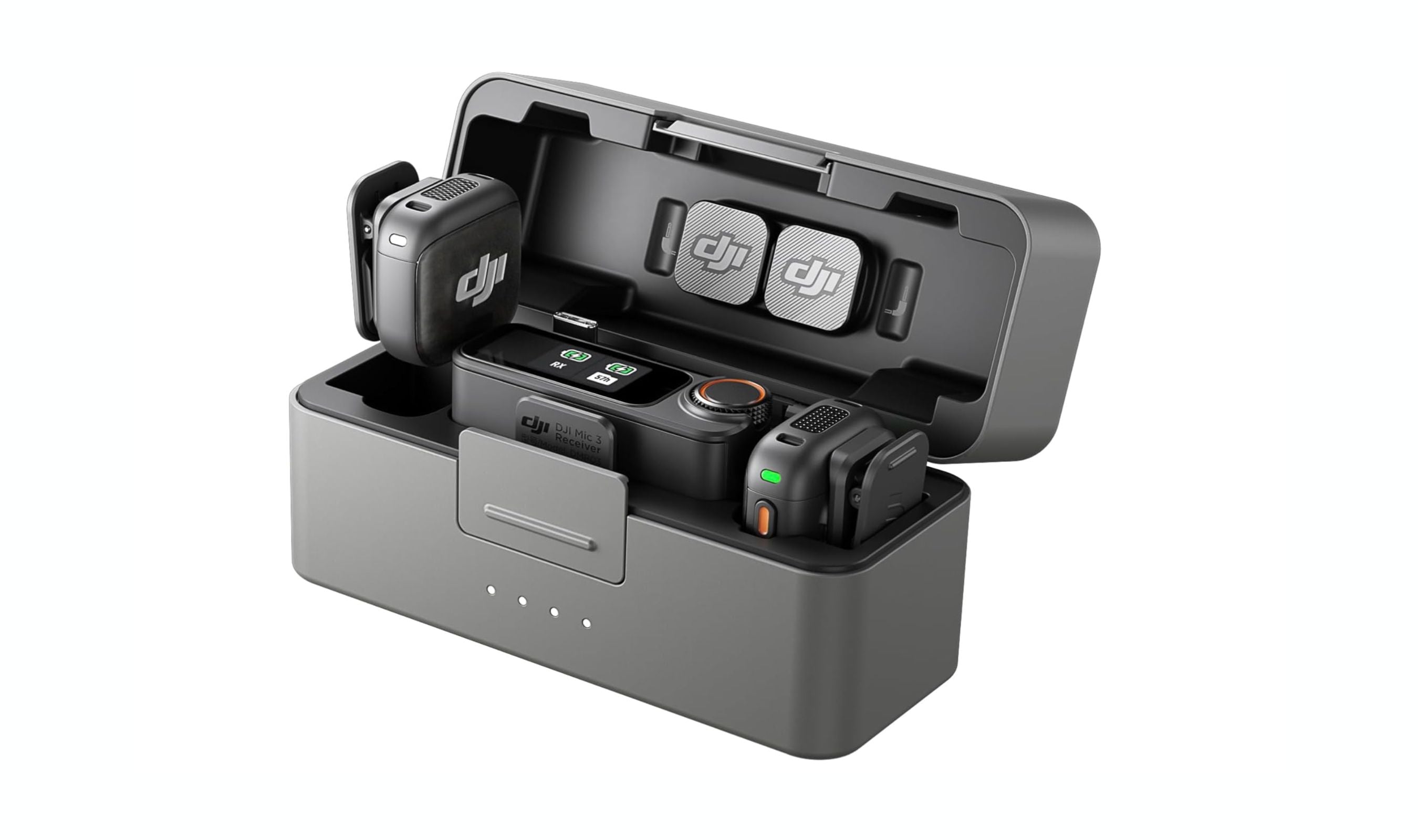
Best Lavalier Microphones for iPhones in 2026
4 min read

8 Best Trackball Mice in 2026
3 min read

41 Best Mother's Day Tech Gifts for 2026
5 min read

Samsung coupon codes and deals
5 min read