If you want reliable audio without battery anxiety, wired earphones still deliver the best sound quality for your money. The Shure SE215 PRO offers the right balance of performance and price for most listeners, while budget options like the SoundMagic E11C prove you don't need to spend much for good sound. This list helps you find wired earphones that match your needs, whether you're an audiophile, commuter, or just want a dependable backup pair.
Technobezz is supported by its audience. We may get a commission from retail offers.
Best Wired Earphones for 2026
From the Shure SE215 PRO to the budget-friendly SoundMagic E11C, our 8 tested picks deliver great audio without the battery hassle.
T
Technobezz
Editorial Team
Updated October 1, 2026Oct 1, 2026
•7 min read

Get Deals Like These in Your Inbox
The best prices, reviewed weekly.
At a Glance
| Category | Product | Why We Picked It |
|---|---|---|
| Best overall | Shure SE215 PRO Wired Earbuds | Excellent balanced sound with good isolation |
| Best value | SoundMagic E11C | Surprising quality at a budget price |
| Best USB-C option | Master & Dynamic ME05 | Premium sound with modern connectivity |
| Best cable-customizable pick | Shure SE215 | Detachable-cable SE215 with an inline remote and microphone |
| Best step-up choice | Meze Audio Alba | Audiophile performance without extreme cost |
| Also recommended | Sennheiser CX 80U | An affordable USB-C pick with solid sound |
| Also recommended | Apple EarPods with USB-C | Simple plug-and-play for Apple users |
| Also recommended | Sennheiser IE 200 | Premium choice for detailed, accurate audio |
How we chose
We evaluated wired earphones based on sound quality, build durability, and real-world usability. Our assessment considers how well each model handles different music genres, their comfort during extended listening, and the practicality of their cable design. We prioritize products that deliver consistent performance across various devices, from smartphones to dedicated music players. The evaluation focuses on how these earphones perform for everyday use rather than just technical specifications.
The best wired earphones right now
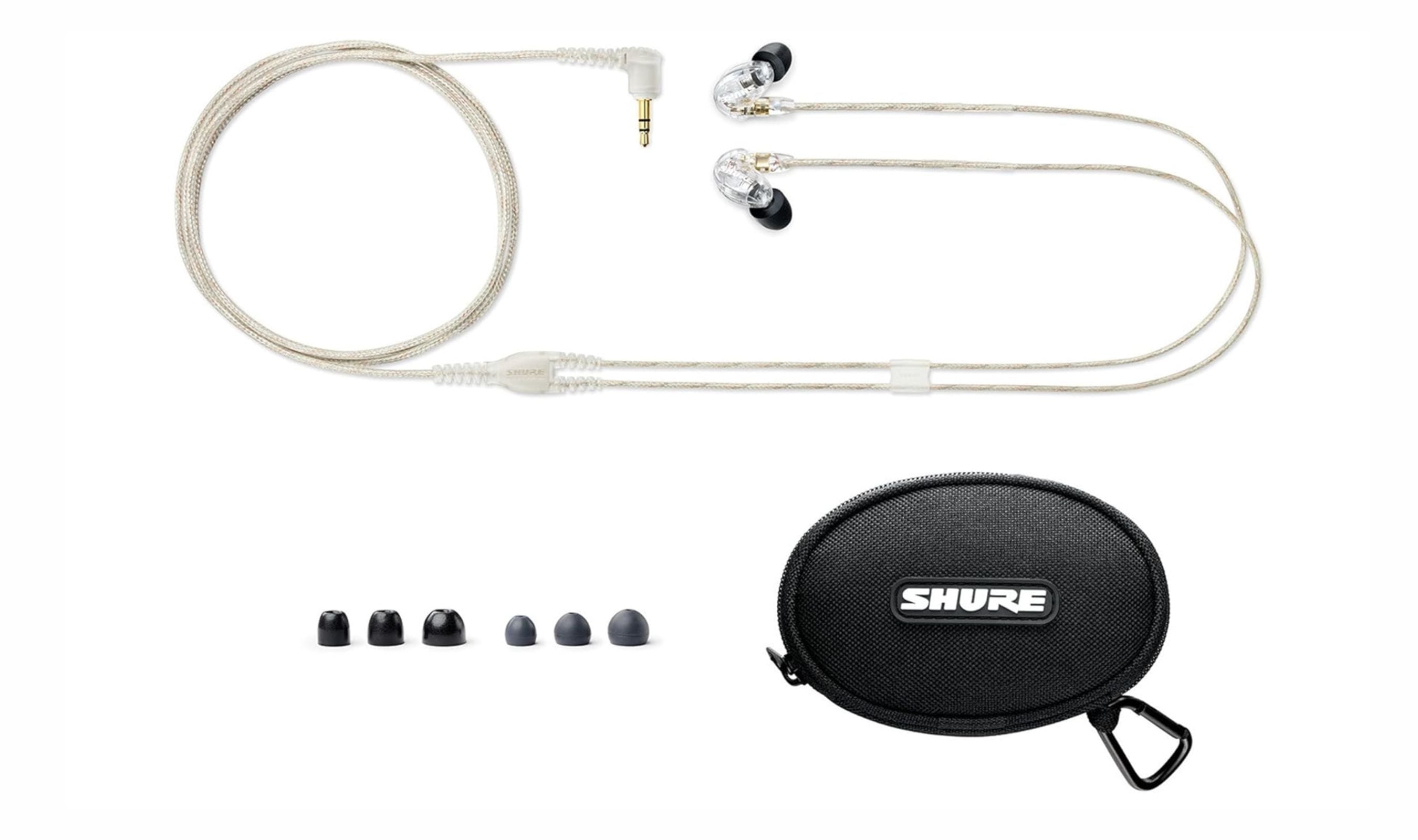
Shure SE215 PRO Wired Earbuds - Best overall
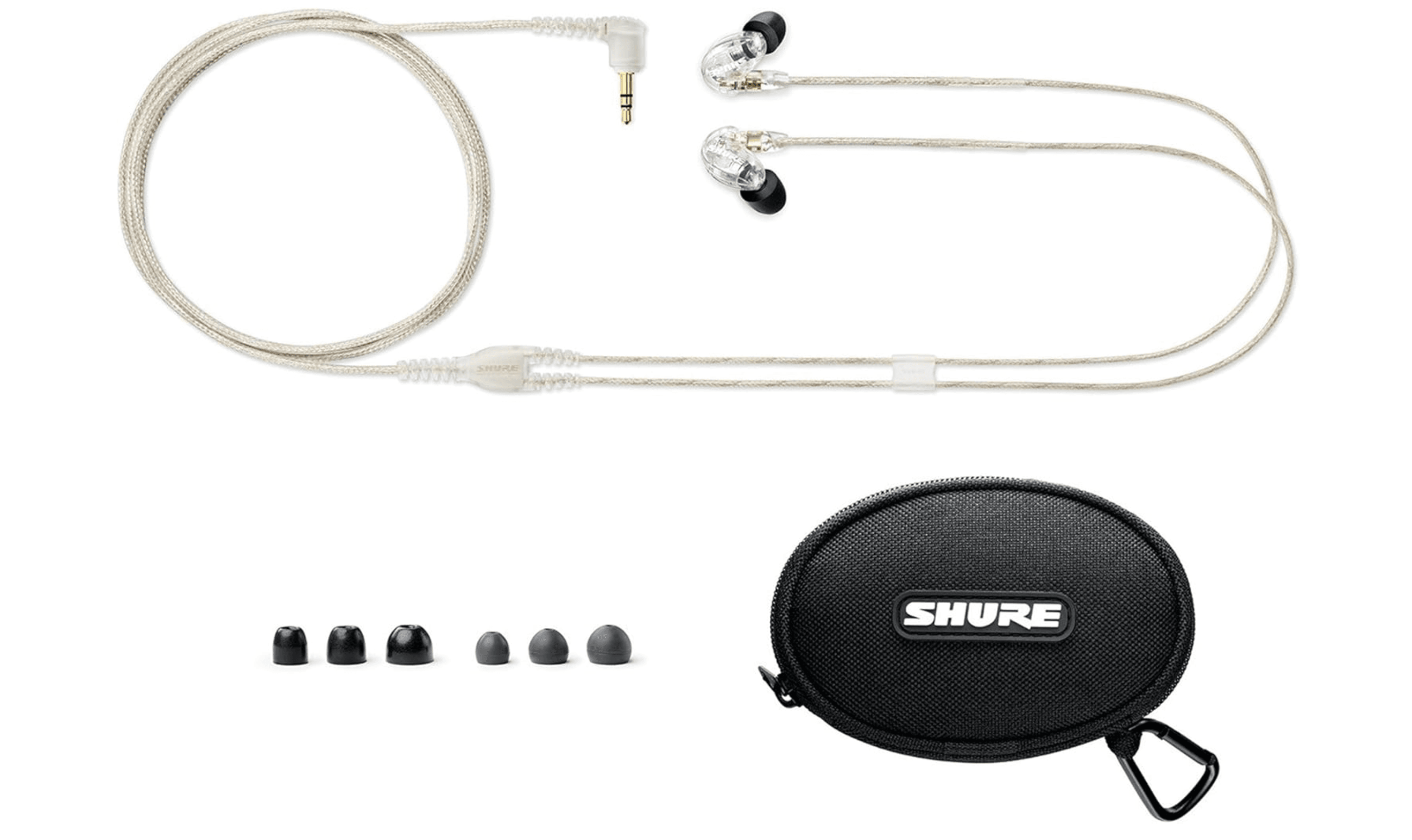
These wired earphones deliver balanced, detailed sound that works well across music genres while providing excellent noise isolation. They're built to last with a comfortable fit that stays secure during movement.
Key highlights
- Balanced sound profile suitable for various music types
- Excellent noise isolation that blocks ambient sound effectively
- Comfortable over-ear cable design that reduces microphonics
- Includes multiple ear tip options for proper fit
- Durable, portable design with carrying case
Pros
- Sound quality rivals more expensive models
- Secure fit stays in place during activity
- Good isolation without active noise cancellation
- Durable construction feels premium
Cons
- Cable can be prone to tangling
- No USB-C option included
- May feel bulky for some users
Who it is for: Listeners who want reliable, high-quality sound without wireless complications
Skip if
You need USB-C connectivity or prefer a minimalist cable design
SoundMagic E11C - Best value
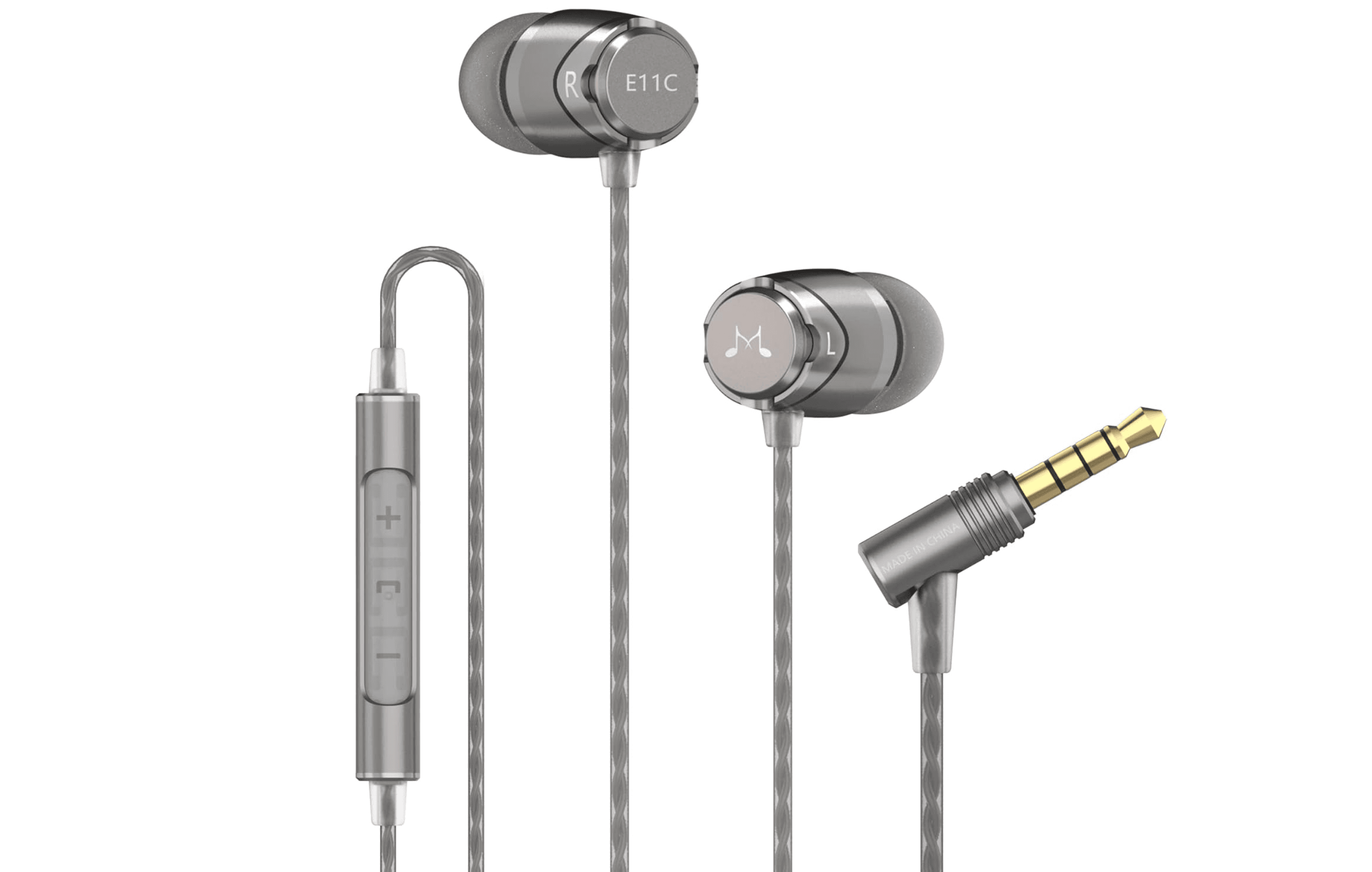
These budget earphones punch above their weight with clear sound and solid construction, making them an excellent choice for anyone who wants quality without spending much.
Key highlights
- Clear, balanced audio that exceeds expectations for the price
- Aluminum construction feels more premium than typical budget options
- Comfortable fit with included silicone tips in three sizes
- In-line remote with microphone for basic controls
- Tangle-resistant cable design
Pros
- Exceptional value for money
- Good sound isolation for passive earphones
- Works well with smartphones and portable players
- Lightweight and comfortable for extended use
Cons
- Bass response could be stronger
- Cable quality feels basic
- Limited accessories included
Who it is for: Budget-conscious listeners who still want decent sound quality
Skip if
You need powerful bass or premium build materials
Master & Dynamic ME05 - Best USB-C option
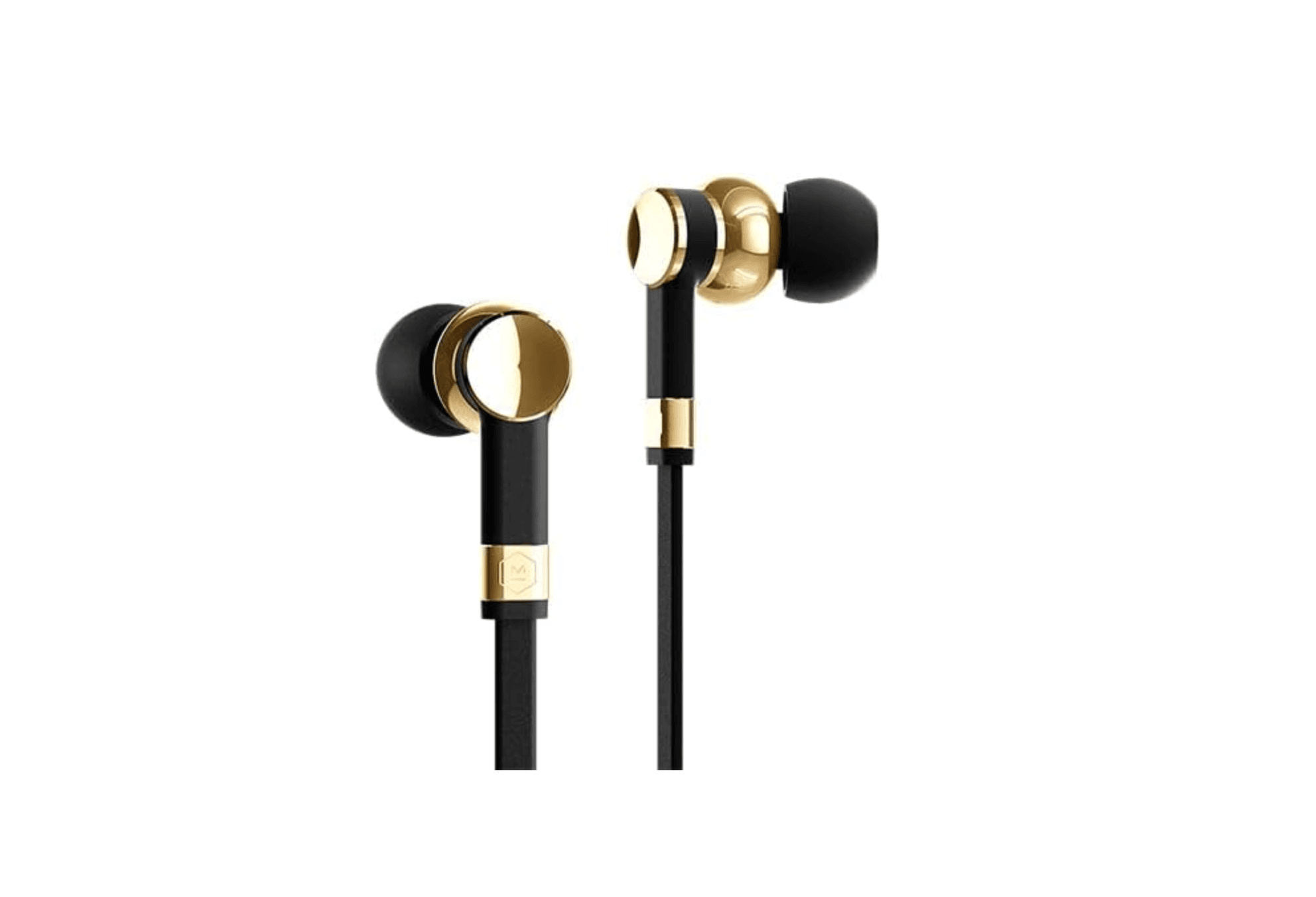
These earphones combine premium materials with modern connectivity, offering high-resolution audio through the included USB-C adapter while maintaining excellent build quality.
Key highlights
- Included USB-C adapter for high-resolution audio
- Premium brass casing with durable construction
- Balanced sound with good detail across frequencies
- Includes both USB-C and 3.5mm connection options
- Tangle-resistant cable with metallic controls
Pros
- Excellent sound quality through USB-C connection
- Premium build feels substantial and durable
- Connects to compatible USB-C phones using the included adapter
- Good passive noise isolation
Cons
- Bass could be more impactful for some listeners
- Limited noise isolation compared to specialized models
- Higher price than basic USB-C options
Who it is for: Users who want premium wired earphones with an included USB-C adapter
Skip if
You're on a tight budget or prefer stronger bass response
Shure SE215 - Best cable-customizable pick
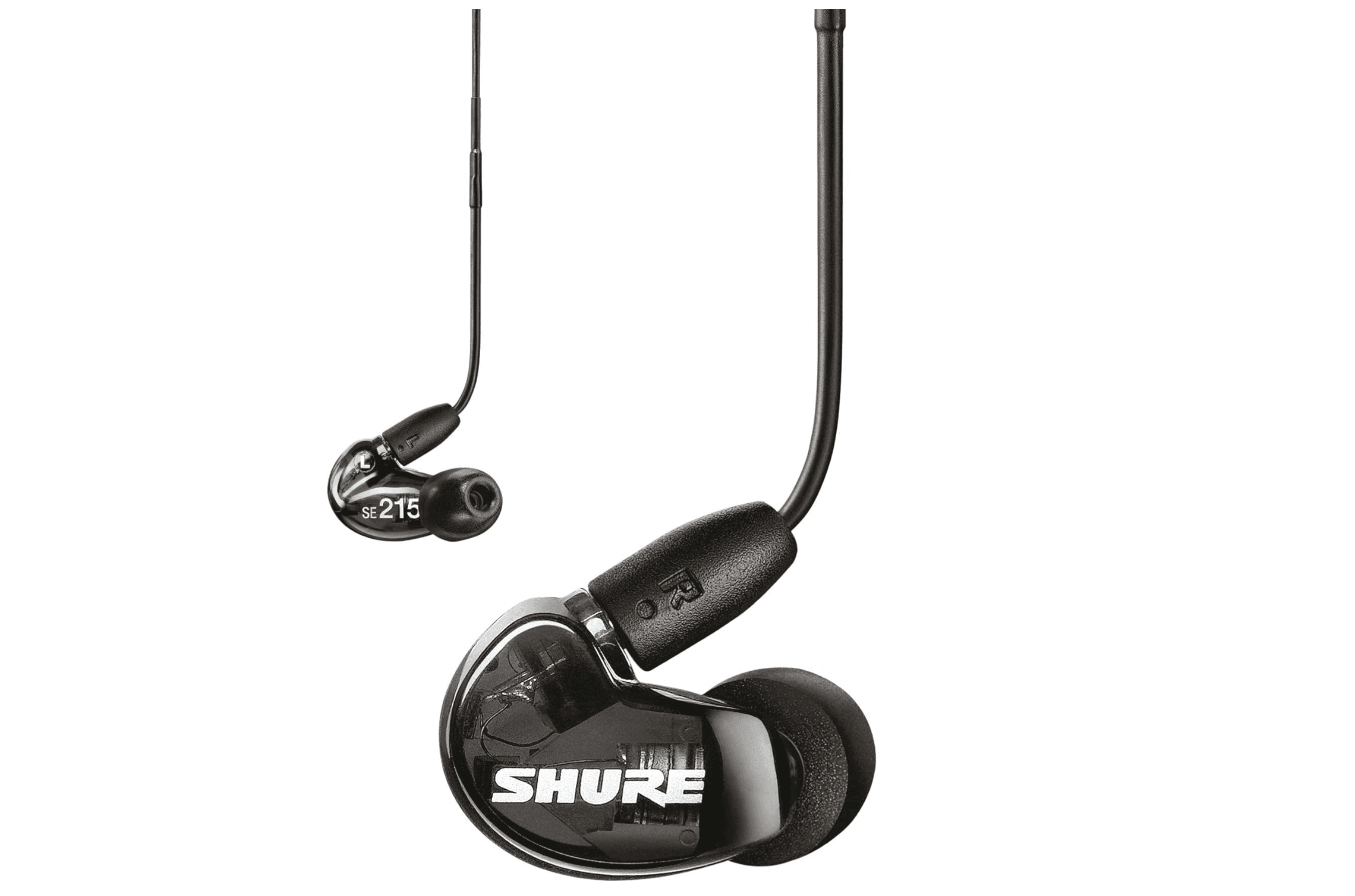
The SE215 uses the same single dynamic MicroDriver and deep-seal housing as the SE215 PRO, delivering identical sound quality and isolation. It ships with a 3.5mm communication cable that has an inline remote and microphone, while the detachable MMCX connection allows compatible cable replacements.
Key highlights
- Same driver and housing as the SE215 PRO — identical sound and isolation
- 3.5mm communication cable with inline remote and microphone
- Detachable MMCX connector supports aftermarket cable upgrades
- Multiple ear tip options including memory foam
- Carrying case included
Pros
- Included remote and microphone support hands-free calls
- Same isolation and sound as SE215 PRO
- Detachable cable opens the door to aftermarket upgrades
- Comfortable fit for extended wear
Cons
- Requires an adapter for devices without a 3.5mm headphone jack
- Sound signature may not suit bass-heavy genres
- Cable can be microphonic during movement
Who it is for: Listeners who want a replaceable cable plus an inline remote and microphone
Skip if
You need a direct USB-C connection without an adapter
Meze Audio Alba - Best step-up choice
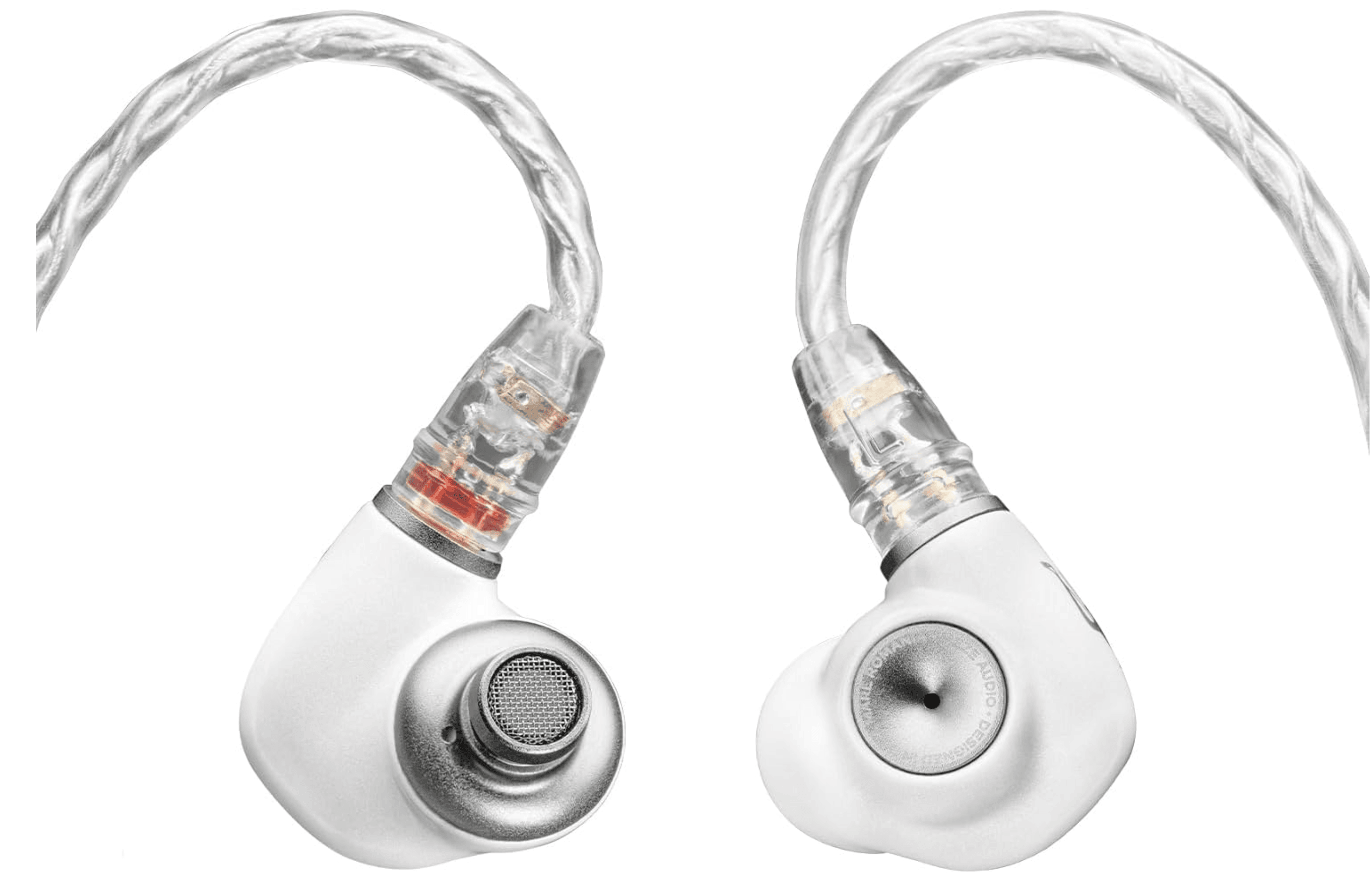
These earphones offer audiophile-grade sound at a reasonable price, with excellent detail retrieval and a comfortable design that works for long listening sessions.
Key highlights
- Excellent sound quality with good detail across frequencies
- Premium build with zinc alloy and anodized aluminum
- Includes USB-C adapter for modern devices with built-in DAC
- Comfortable fit with multiple ear tip options
- Detachable cable for potential upgrades
Pros
- Sound quality approaches higher-priced models
- Premium materials and construction
- Versatile connectivity options
- Good value for performance level
Cons
- Cable prone to tangling
- No built-in microphone or controls
- May require better source material for optimal performance
Who it is for: Listeners ready to step up from basic earphones without extreme cost
Skip if
You need built-in controls or prefer a bass-heavy sound signature
Also Good
- Sennheiser CX 80U - an affordable USB-C pick with solid sound.
- Apple EarPods with USB-C - simple plug-and-play for Apple users.
- Sennheiser IE 200 - premium choice for detailed, accurate audio.
How to Choose
Consider your primary device first. If you have a modern phone without a headphone jack, USB-C earphones eliminate the need for adapters. For older devices or audio equipment, 3.5mm connections work universally.
Sound signature preference matters. Some earphones emphasize bass for electronic music, while others offer balanced sound that works across genres. Consider what you listen to most often.
Noise isolation needs vary. If you commute or work in noisy environments, look for earphones with good passive isolation or deeper-fitting designs. For quiet home listening, this matters less.
Build quality affects longevity. Detachable cables, metal construction, and included cases can extend your earphones' life significantly, especially with daily use.
Budget determines your options. Good sound starts around $50, with noticeable improvements up to about $150. Beyond that, improvements become more subtle and require better source material to appreciate.
FAQ
Are wired earphones better than wireless?
Wired earphones generally offer better sound quality for the price, with no latency or battery concerns. They work reliably with any device that has the appropriate port, without Bluetooth compatibility issues.
Do I need special equipment for wired earphones?
Most wired earphones work directly with smartphones, computers, and audio players. Some higher-impedance models benefit from dedicated amplifiers, but most consumer models are designed to work with standard devices.
How long do wired earphones typically last?
With proper care, quality wired earphones can last several years. The most common failure point is the cable, which is why detachable cable designs offer better longevity. Storing them properly and avoiding sharp bends extends their life.
Can I use wired earphones with phones that don't have headphone jacks?
Yes, through USB-C earphones or adapters. Many modern earphones come with USB-C connectors, or you can use a USB-C to 3.5mm adapter with traditional earphones. Some adapters include built-in DACs for improved sound quality.
What's the difference between earbuds and in-ear monitors?
In-ear monitors typically fit deeper in the ear canal for better isolation and often use multiple drivers for improved sound quality. Regular earbuds sit in the outer ear and are generally more comfortable for casual use but offer less isolation.
Published April 17, 2026 Last updated October 1, 2026
Share this article
More in News

Best Smartphones for Gaming in 2026
The RedMagic 11 Pro tops our list for 2026, but we tested the best gaming phones from Samsung, Apple, and OnePlus to find your perfect match.
4 min read
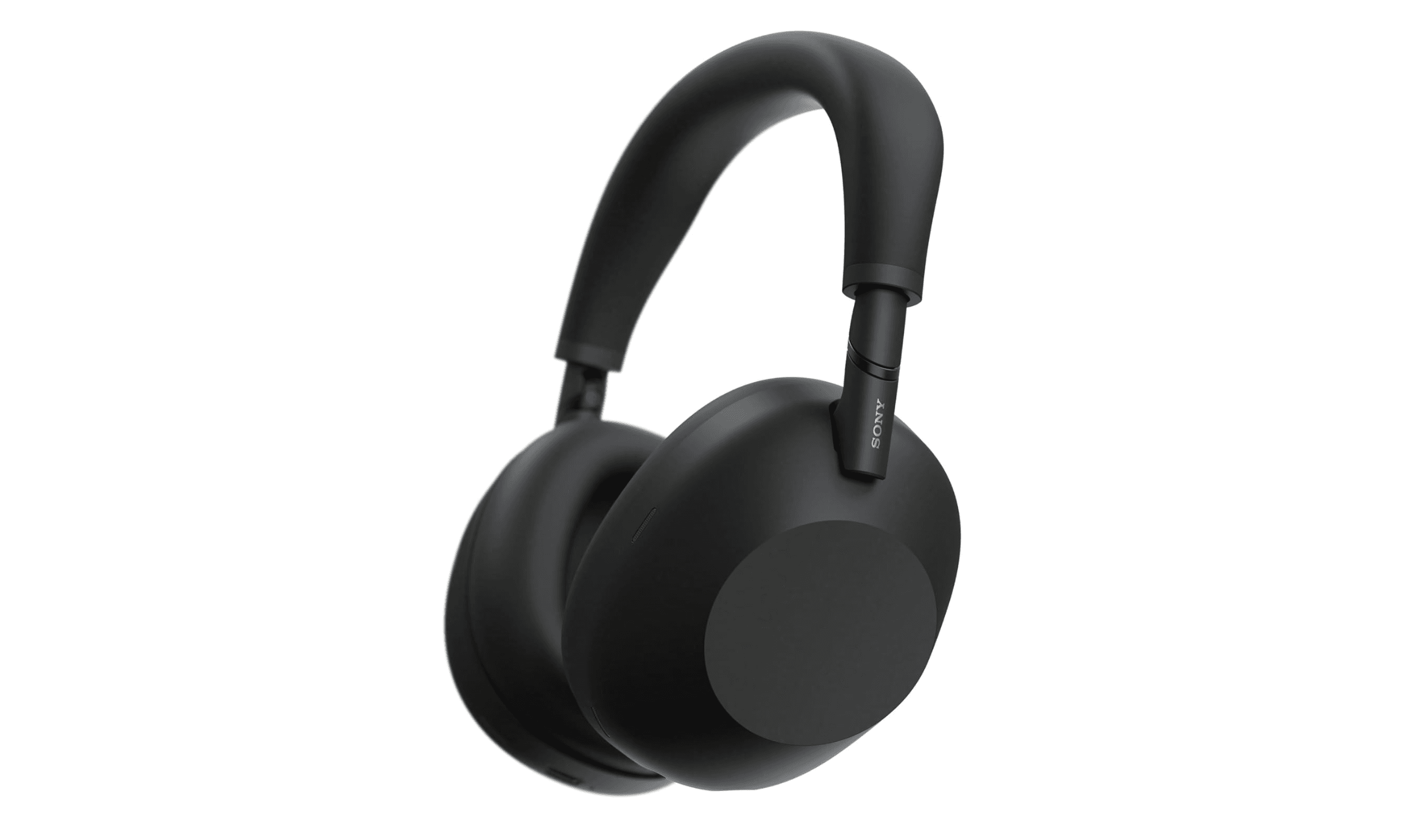
7 Best Noise Cancelling Headphones to Buy in 2026
Sony WH-1000XM6 leads our 2026 list of best noise cancelling headphones, from premium Bose to budget Soundcore picks.
4 min read
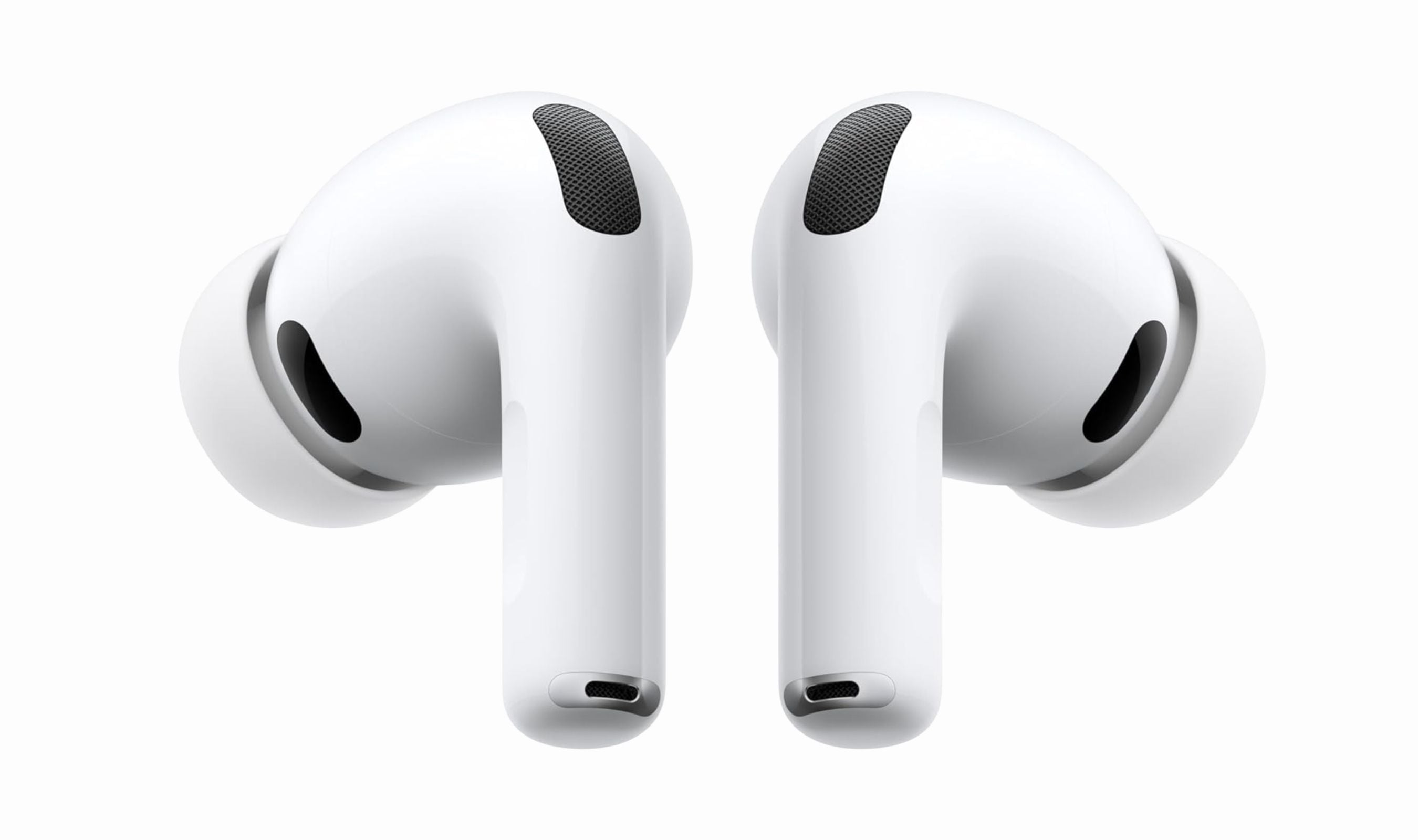
9 Best Earbuds for iPhone in 2026
The best earbuds for iPhone in 2026, from the AirPods Pro 3 (around $179) to budget Nothing and CMF picks. Tested for sound, ANC, fit, and iPhone integration.
4 min read
Best Smartphones Under $150 for Everyday Use
Discover the NUU N10 and other top-rated smartphones under $150 for 2026.
3 min read
Best Lavalier Microphones for iPhones in 2026
4 min read
7 Best Smartphones Under $700 in 2026
3 min read
7 Best Laptops for Stock Trading in 2026
5 min read
Best Wireless Earbuds Under $100 for 2026
5 min read
6 Best Laptops for Teachers in 2026
4 min read
8 Best Wireless Chargers for 2026
4 min read
6 Best Smart Toasters for 2026
4 min read
6 Best Camera Phones for 2026
3 min read