Finding headphones that kids will actually wear while protecting their hearing requires balancing safety features, durability, and designs that pass the playground test. The Puro Sound Labs BT2200-Plus stands out as our top pick for its effective volume limiting and quality sound, but several excellent options exist for different needs and budgets. This list helps parents choose headphones that keep young ears safe during school, travel, and entertainment.
Technobezz is supported by its audience. We may get a commission from retail offers.
Best Headphones for Kids in 2026
Puro Sound Labs BT2200-Plus leads our picks for safe, durable kids headphones. Compare top models for travel, value, and hearing protection in 2026.
T
Technobezz
Editorial Team
Updated June 16, 2026Jun 16, 2026
•10 min read

Get Deals Like These in Your Inbox
The best prices, checked by our editors.
At a Glance
| Category | Product | Why We Picked It |
|---|---|---|
| Best overall | Puro Sound Labs BT2200-Plus | Combines effective volume limiting with quality sound and durable build |
| Best value | JLab JBuddies Pro Wireless | Offers solid performance at an affordable price with hidden volume controls |
| Best for travel | iClever BTH20 | Provides active noise cancellation to reduce background noise on planes and in cars |
| Best for school | BuddyPhones Explore Plus | Features daisy-chaining for multiple listeners and comes with customizable stickers |
| Best premium option | JBL Junior 470NC | Includes parental control app for monitoring listening habits and volume limits |
| Also recommended | Belkin SoundForm Mini | 30-hour battery life with an 85dB safe volume limit and built-in mic |
| Also recommended | EarFun K2 Kids | Great budget sound with safe volume controls |
| Also recommended | Skullcandy Grom Wireless | Stylish, grown-up look for older kids |
How we chose
We evaluated kids headphones based on several key factors that matter for young listeners. Our assessment prioritizes volume limiting technology that caps sound at safe levels, typically 85 decibels or lower. We consider comfort and fit for smaller heads, durability to withstand typical kid handling, and practical features like battery life for wireless models. Our evaluation also looks at sound quality appropriate for children's content and additional features that enhance usability for school, travel, or entertainment.
The best kids headphones right now
Puro Sound Labs BT2200-Plus - Best overall
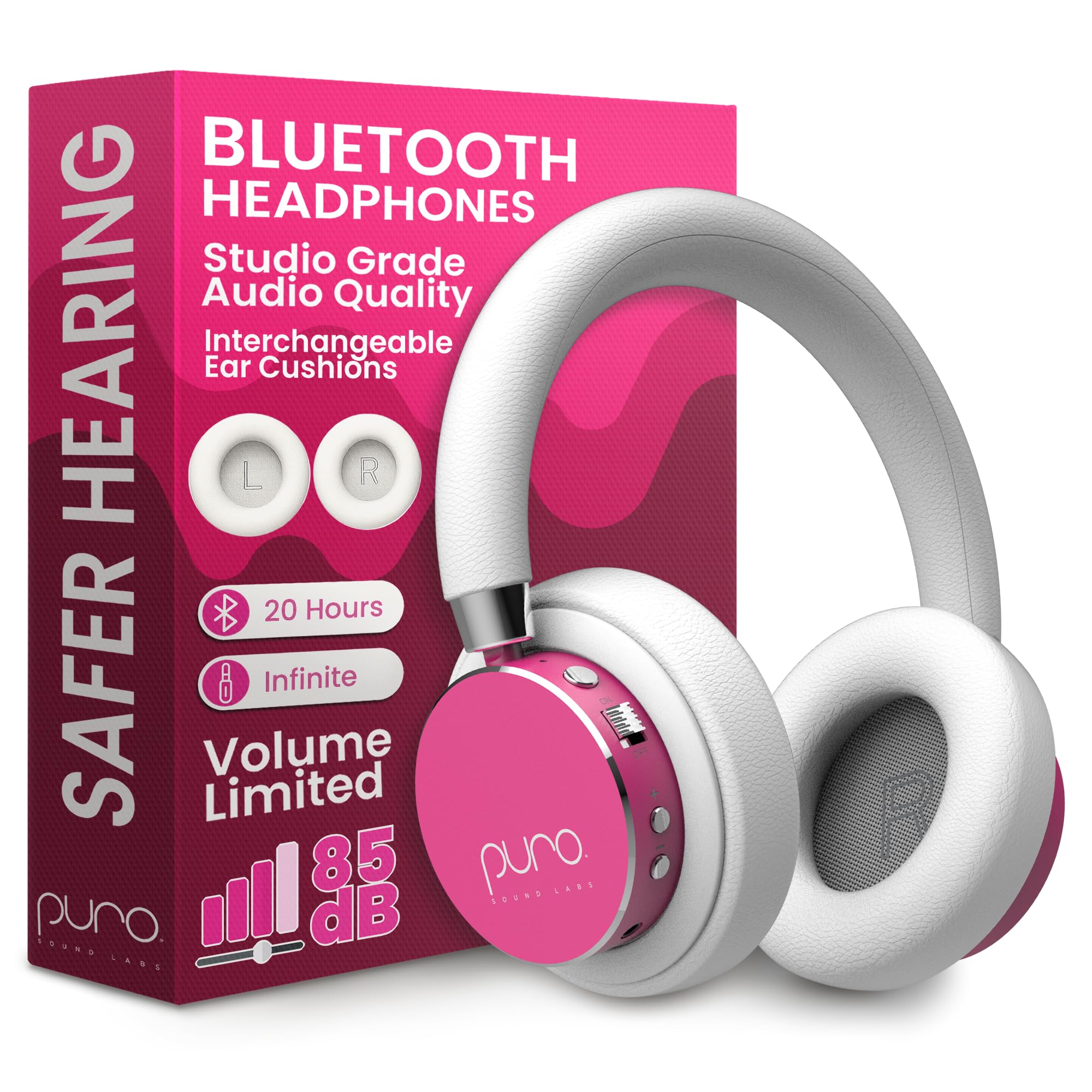
These wireless headphones deliver quality sound with effective volume limiting in a durable package that works well for most kids from preschool to tween ages.
Key highlights
- Volume limiting caps sound at safe 85 decibel levels in both wireless and wired modes
- Swappable on-ear and over-ear pads accommodate different preferences and head sizes
- 20-hour battery life provides extended listening between charges
- Includes both Bluetooth wireless connectivity and wired cable for flexibility
- Daisy-chain capability allows multiple headphones to connect to one device
Pros
- Sound quality surpasses most kids headphones with clear, balanced audio
- Durable construction withstands bending and typical kid handling
- Comfortable fit with soft padding that doesn't crinkle or irritate
- Comes with protective travel case for storage and transport
Cons
- Lacks track controls or digital assistant access on headphones
- Auto-shutoff feature may not activate if connected to powered device
- Volume controls may not directly control laptop volume in some cases
Who it is for: Children who need reliable headphones for daily use at home, school, or during short trips, especially those who appreciate better sound quality.
Skip if
You need active noise cancellation for frequent air travel or your child requires track controls on the headphones themselves.
JLab JBuddies Pro Wireless - Best value
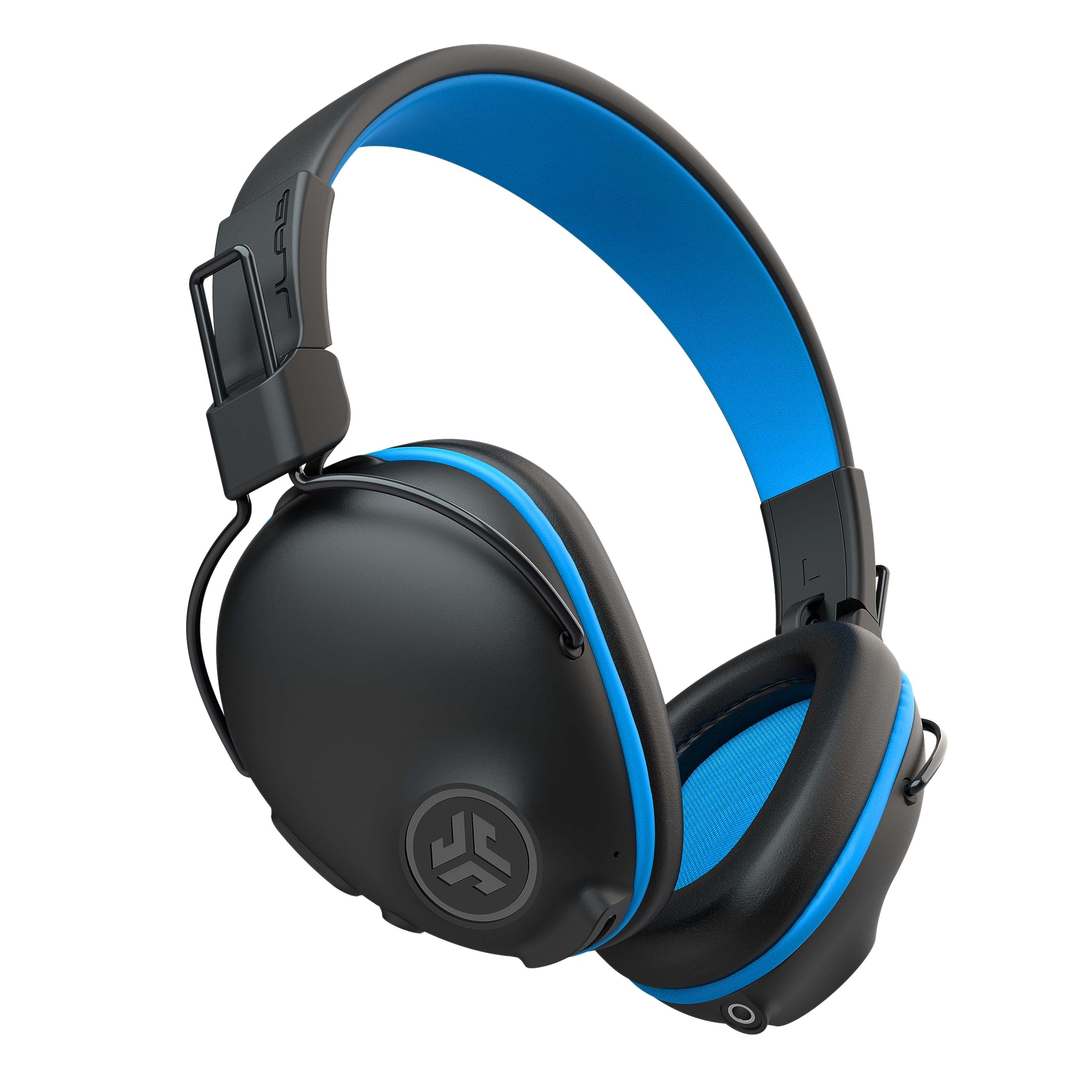
These affordable wireless headphones deliver surprisingly good sound with volume limiting hidden behind fabric to deter kids from increasing levels.
Key highlights
- Volume limiter switch concealed behind right earcup fabric for added security
- 35-hour battery life provides extended use between charges
- Collapsible, lightweight design makes them easy to pack and travel with
- Over-ear design helps passively reduce surrounding noise
- Simple controls appropriate for younger users
Pros
- Solid bass response for music and games at safe volume levels
- Comfortable fit with padding that works for extended wear
- Easy Bluetooth pairing with most devices
- Affordable price point for budget-conscious families
Cons
- Build quality feels less premium than higher-priced options
- Sound quality adequate but not exceptional
- May feel tight on older children or those with larger heads
Who it is for: Families seeking reliable wireless headphones that balance safety features with affordability for everyday use.
Skip if
Your child needs exceptional sound quality or you prefer more premium construction materials.
iClever BTH20 - Best for travel
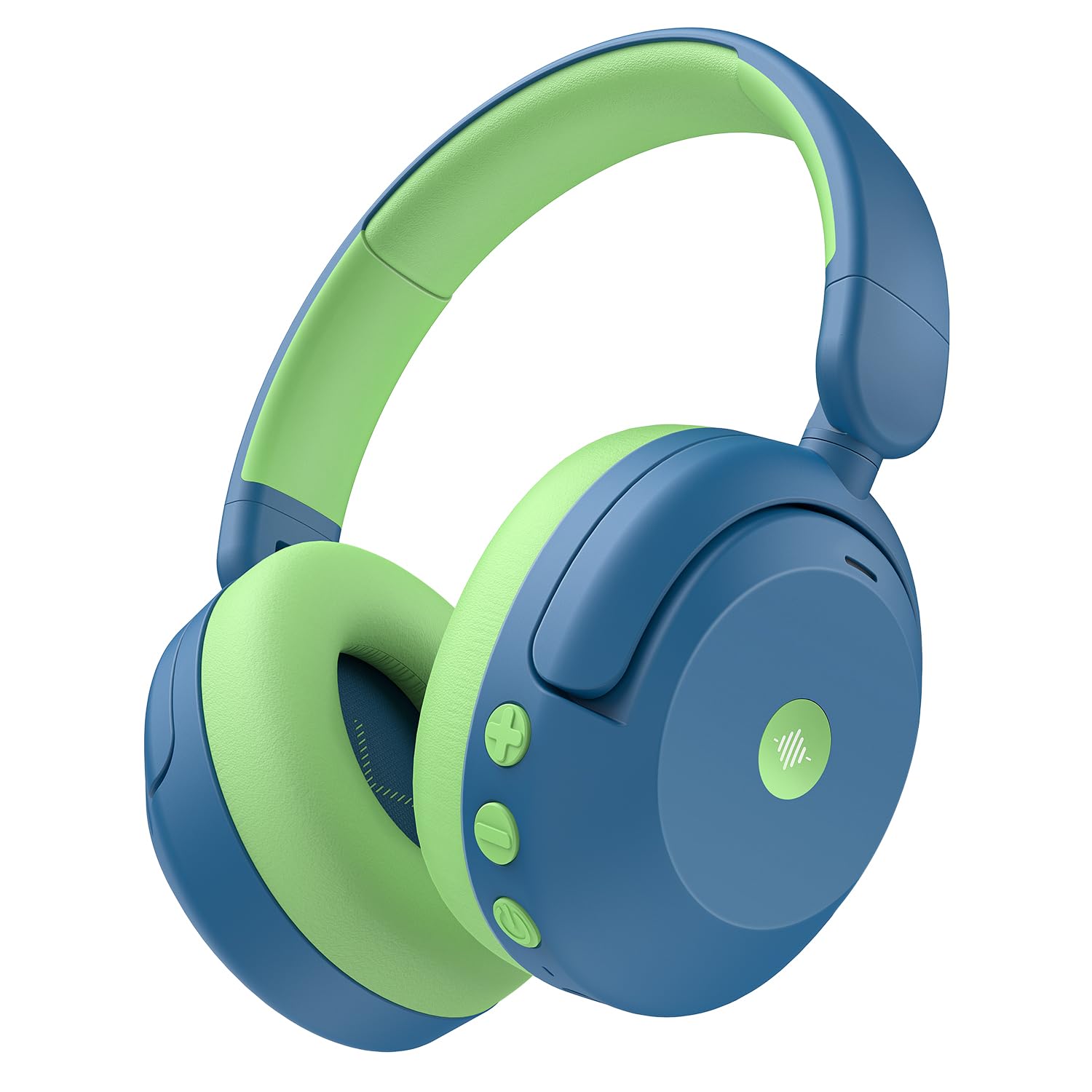
These headphones combine active noise cancellation with volume limiting to help kids hear content clearly in noisy environments without turning up volume dangerously.
Key highlights
- Active noise cancellation reduces airplane, car, and background noise
- Volume limiting caps sound at 80 decibels even with ANC activated
- 35-hour battery life with ANC on, longer with it off
- Includes cable for wired listening on planes with entertainment systems
- Comfortable, bendable headband adjusts to different head sizes
Pros
- Effective noise reduction makes content audible in loud environments
- Good battery life supports long travel days
- Simple controls appropriate for children to operate
- Comes with basic carrying pouch for protection
Cons
- Noise cancellation not as powerful as premium adult headphones
- Sound quality lacks some clarity compared to higher-end options
- Designed for small to medium heads, may not fit larger children comfortably
Who it is for: Families who travel frequently by plane or car and need headphones that work well in noisy environments.
Skip if
You rarely travel or your child primarily uses headphones in quiet home environments.
BuddyPhones Explore Plus - Best for school
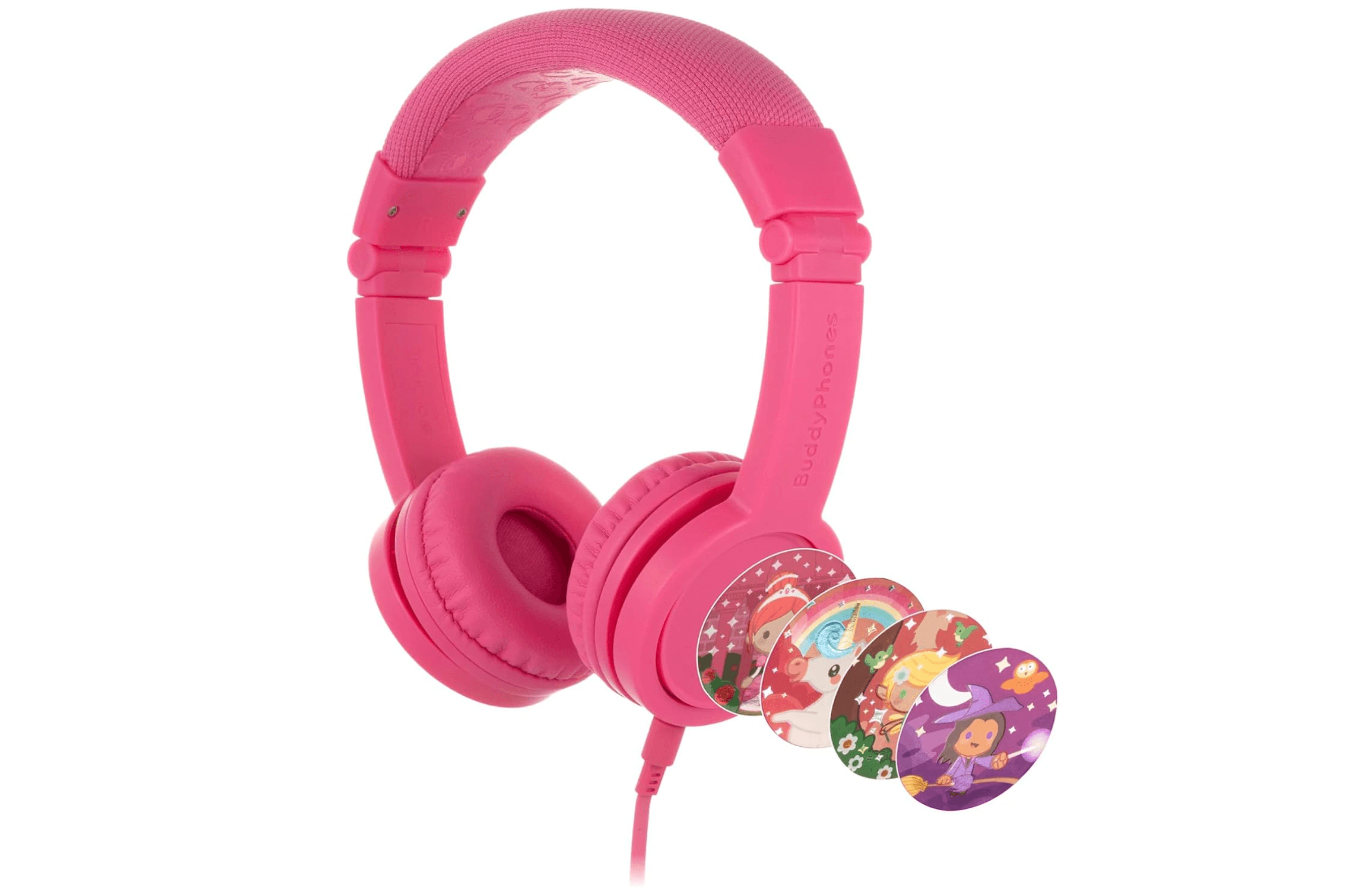
These wired kids headphones combine certified volume limiting with a clever daisy-chain feature that lets up to four kids share audio from one device, making them ideal for classroom and group listening.
Key highlights
- SafeAudio volume limiting caps sound at a safe 85dB
- BuddyCable system connects up to 4 headphones to one device
- Foldable, adjustable design fits kids ages 3 to 10
- Built-in microphone for calls and virtual learning
- Includes decorative stickers for personalization
Pros
- Certified volume limiting protects young ears
- Daisy-chaining is great for siblings and classroom use
- Durable construction handles rough play
- BPA- and phthalate-free materials
Cons
- Wired only (no Bluetooth option)
- 85dB limit may sound quiet for older kids
- Basic audio quality compared to premium options
Who it is for: Parents who want safe, shareable headphones for school, car rides, or group listening at home.
Skip if
Your child needs wireless headphones or active noise cancellation for travel.
JBL Junior 470NC - Best premium option
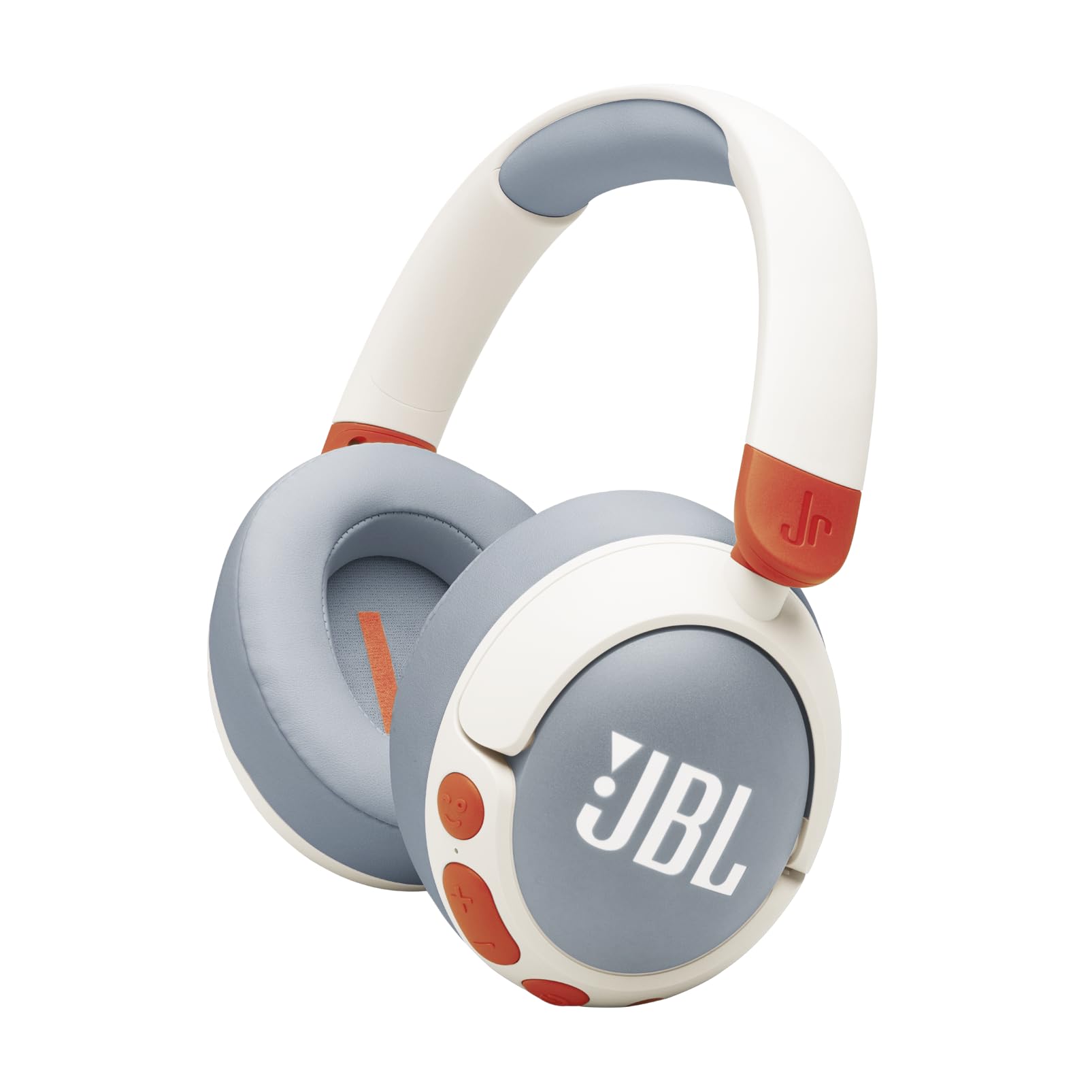
These higher-end headphones offer comprehensive parental controls through a companion app along with effective noise cancellation for focused listening.
Key highlights
- Parental control app lets you set exact volume limits and daily listening time
- Active noise cancellation helps block background noise for better focus
- 50-hour battery life supports extended use between charges
- Volume limiting caps sound at safe 85 decibel levels
- Includes cable for wired listening when battery runs low
Pros
- App-based controls provide detailed monitoring and management
- Good noise cancellation effectiveness for kids headphones
- Excellent battery life reduces charging frequency
- Comfortable over-ear design with quality padding
Cons
- Higher price point than most kids headphones
- App connectivity can occasionally disconnect
- Noise cancellation not as powerful as premium adult models
Who it is for: Parents who want maximum control over listening habits and volume levels, especially for older children.
Skip if
You're on a tight budget or prefer simpler headphones without app dependency.
Also Good
- Belkin SoundForm Mini - 30-hour battery, an 85dB safe volume limit, and a built-in mic for school and calls.
- EarFun K2 Kids - great budget sound with safe volume controls.
- Skullcandy Grom Wireless - stylish, grown-up look for older kids.
How to Choose
Consider these factors when selecting kids headphones:
Volume limiting is essential: Look for headphones that cap sound at 85 decibels or lower. Some models offer adjustable limits or app controls for different environments. Avoid headphones without volume limiting for regular use.
Comfort and fit matter: Kids have smaller heads and sensitive ears. Adjustable headbands, soft padding, and lightweight designs prevent discomfort during extended wear. Over-ear models typically provide better noise isolation than on-ear options.
Durability withstands kid handling: Reinforced cables, flexible headbands, and impact-resistant materials survive drops, tugs, and backpack storage. Foldable designs with carrying cases offer additional protection.
Wireless vs. wired depends on use: Wireless headphones eliminate cord tangles and offer freedom of movement but require charging. Wired models work reliably with any device featuring a 3.5mm jack and never need batteries.
Additional features add value: Built-in microphones support online learning, noise cancellation helps in loud environments, and daisy-chaining allows multiple listeners. Parental control apps provide monitoring capabilities for older children.
FAQ
What volume level is safe for kids headphones?
Most experts recommend limiting headphone volume to 85 decibels or lower for children. This level allows safe listening for up to eight hours continuously. Some headphones offer adjustable limits or app controls for different situations.
Are noise-cancelling headphones safe for kids?
Yes, when used appropriately. Noise cancellation can actually help protect hearing by reducing the need to turn up volume in noisy environments. However, children shouldn't use noise-cancelling headphones when they need to be aware of their surroundings, like when walking near traffic.
How long should kids wear headphones each day?
Experts suggest taking regular breaks from headphone use. Even at safe volume levels, limiting listening sessions to an hour or two at a time with breaks in between helps prevent ear fatigue and maintains hearing health.
Can I use regular adult headphones for my child?
Adult headphones typically lack volume limiting and may not fit smaller heads properly, creating gaps that let in background noise. This can lead to children turning up volume to dangerous levels. Kid-specific headphones with proper fit and volume limits are safer choices.
What age should children start using headphones?
Most kids headphones are designed for children ages 3 and up. For younger children, consider volume-limited options specifically sized for smaller heads. Always supervise headphone use with young children and teach safe listening habits.
Published March 21, 2026 Last updated June 16, 2026
Share this article
More in News
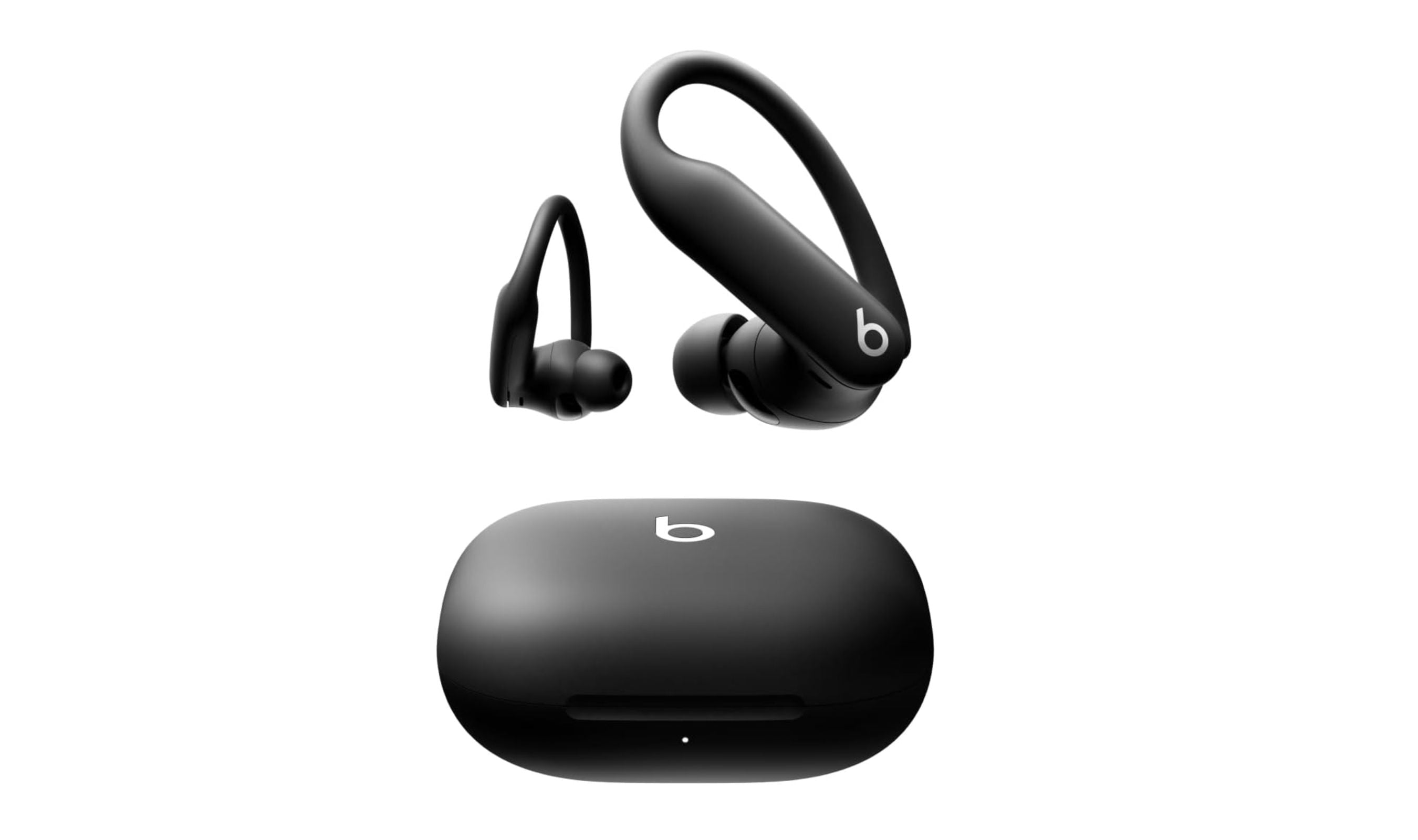
Best Workout Earphones for 2026
Beats Powerbeats Pro 2 leads our picks for 2026. Find secure-fit headphones for gym workouts, running with Shokz, or swimming.
5 min read
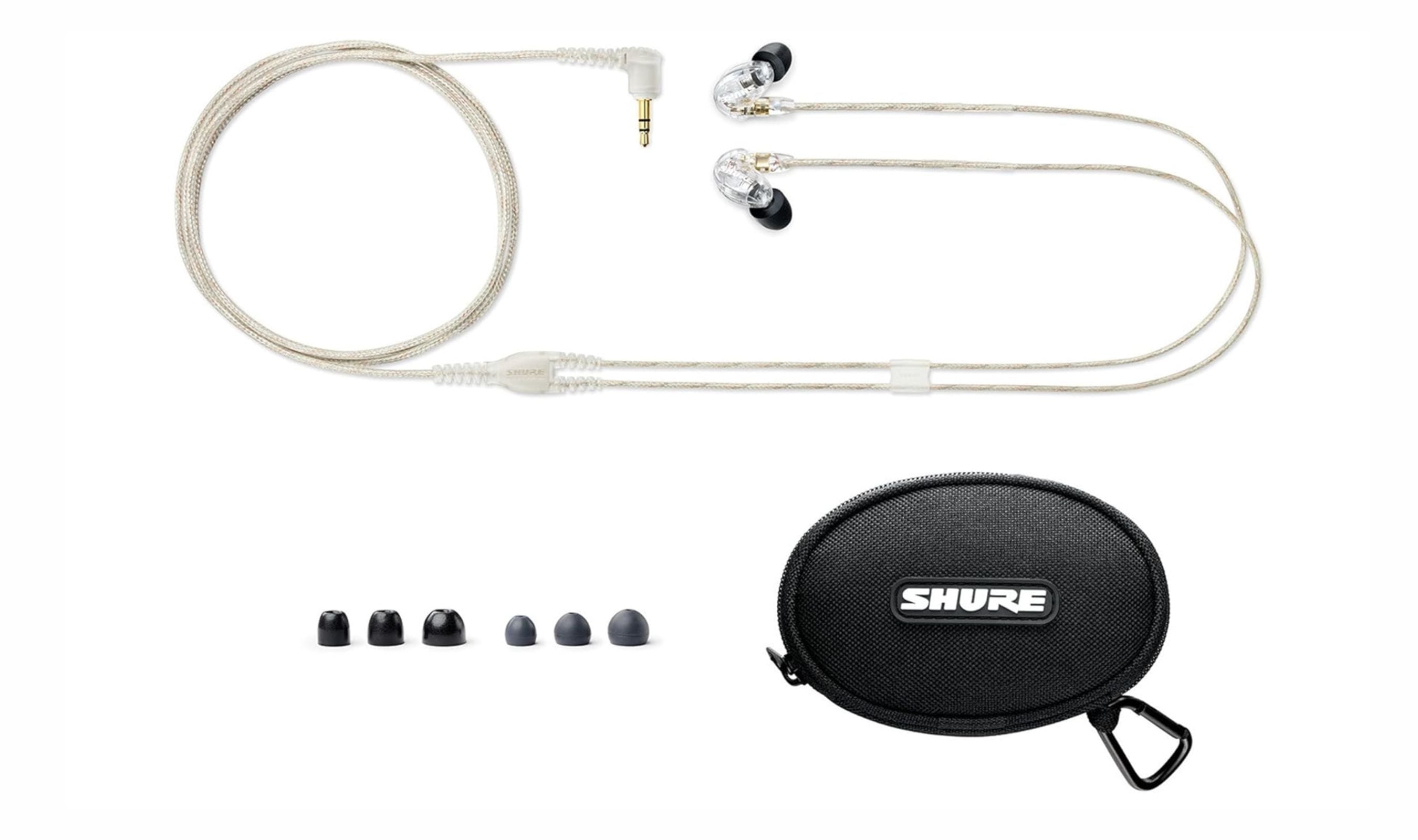
Best Wired Earphones for 2026
From the Shure SE215 PRO to the budget-friendly SoundMagic E11C, our 8 tested picks deliver great audio without the battery hassle.
3 min read
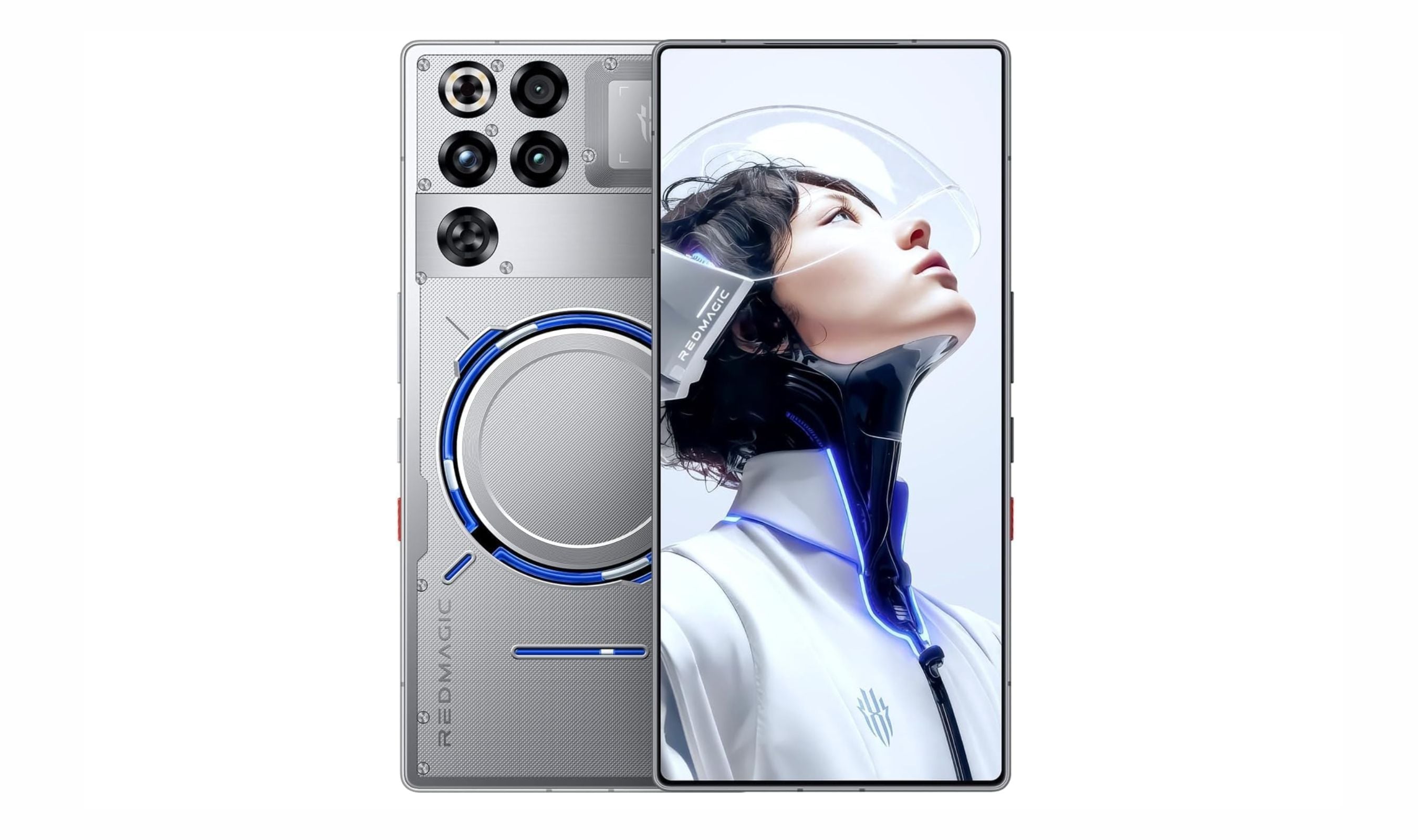
Best Smartphones for Gaming in 2026
The RedMagic 11 Pro tops our list for 2026, but we tested the best gaming phones from Samsung, Apple, and OnePlus to find your perfect match.
4 min read
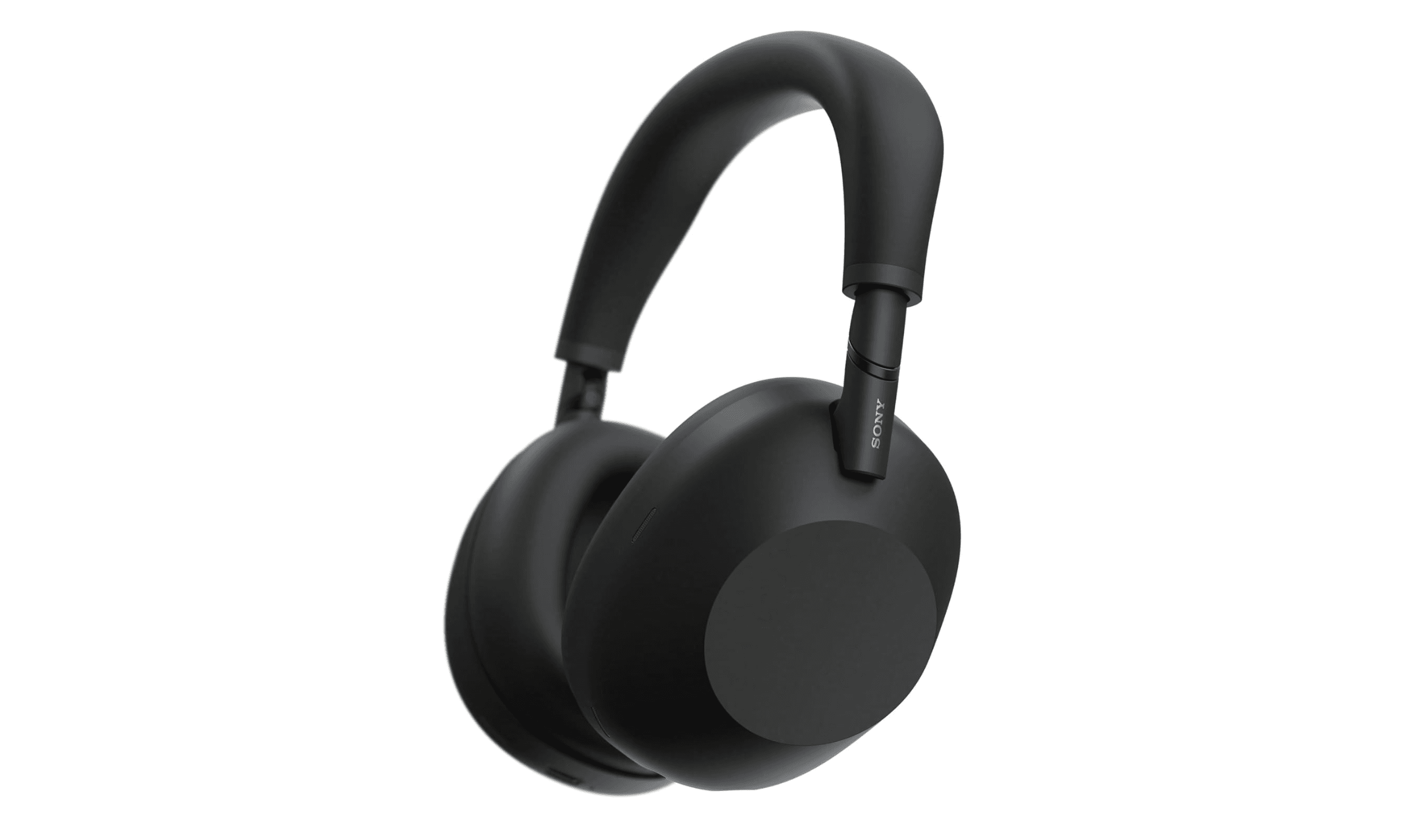
7 Best Noise Cancelling Headphones to Buy in 2026
Sony WH-1000XM6 leads our 2026 list of best noise cancelling headphones, from premium Bose to budget Soundcore picks.
4 min read
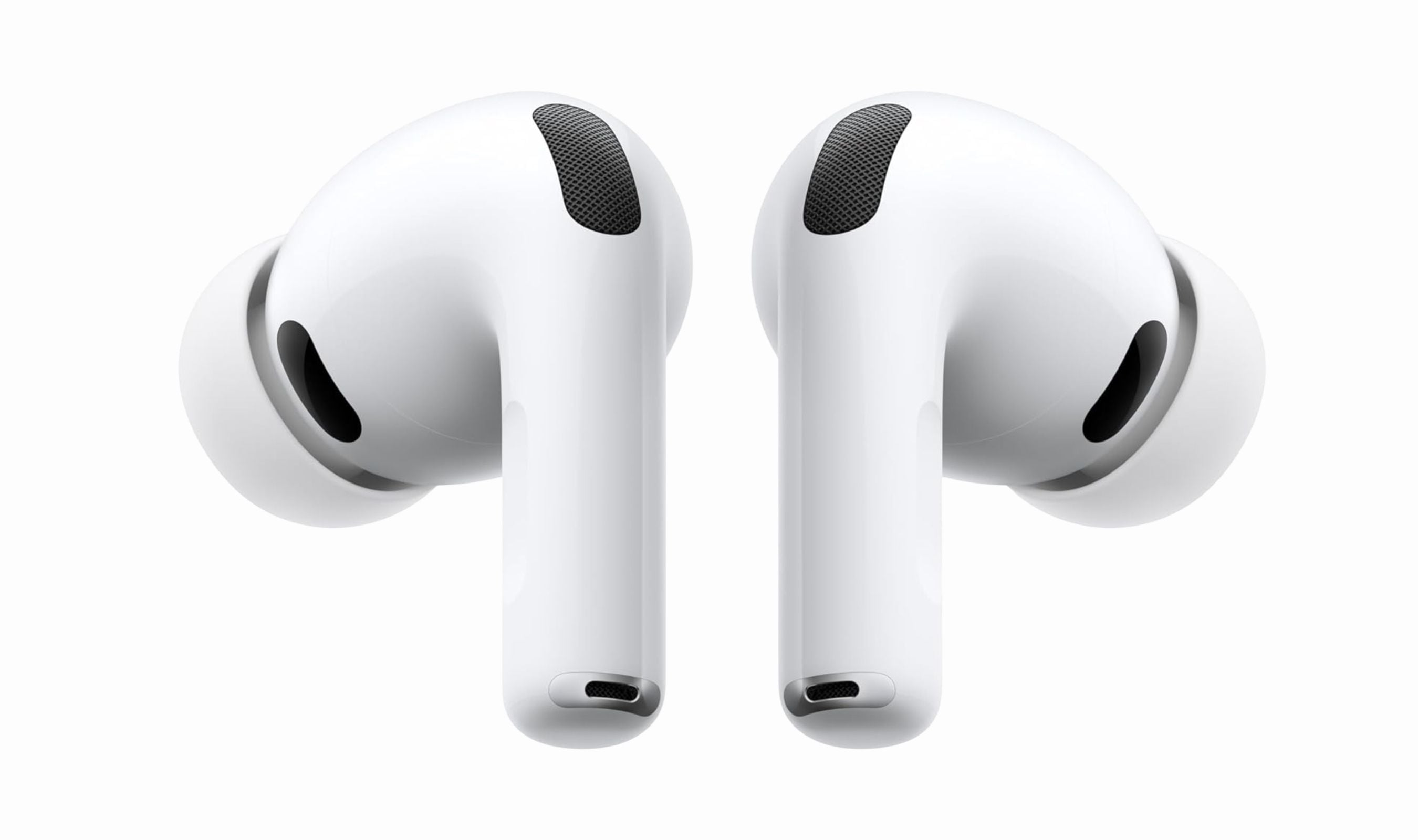
9 Best Earbuds for iPhone in 2026
4 min read
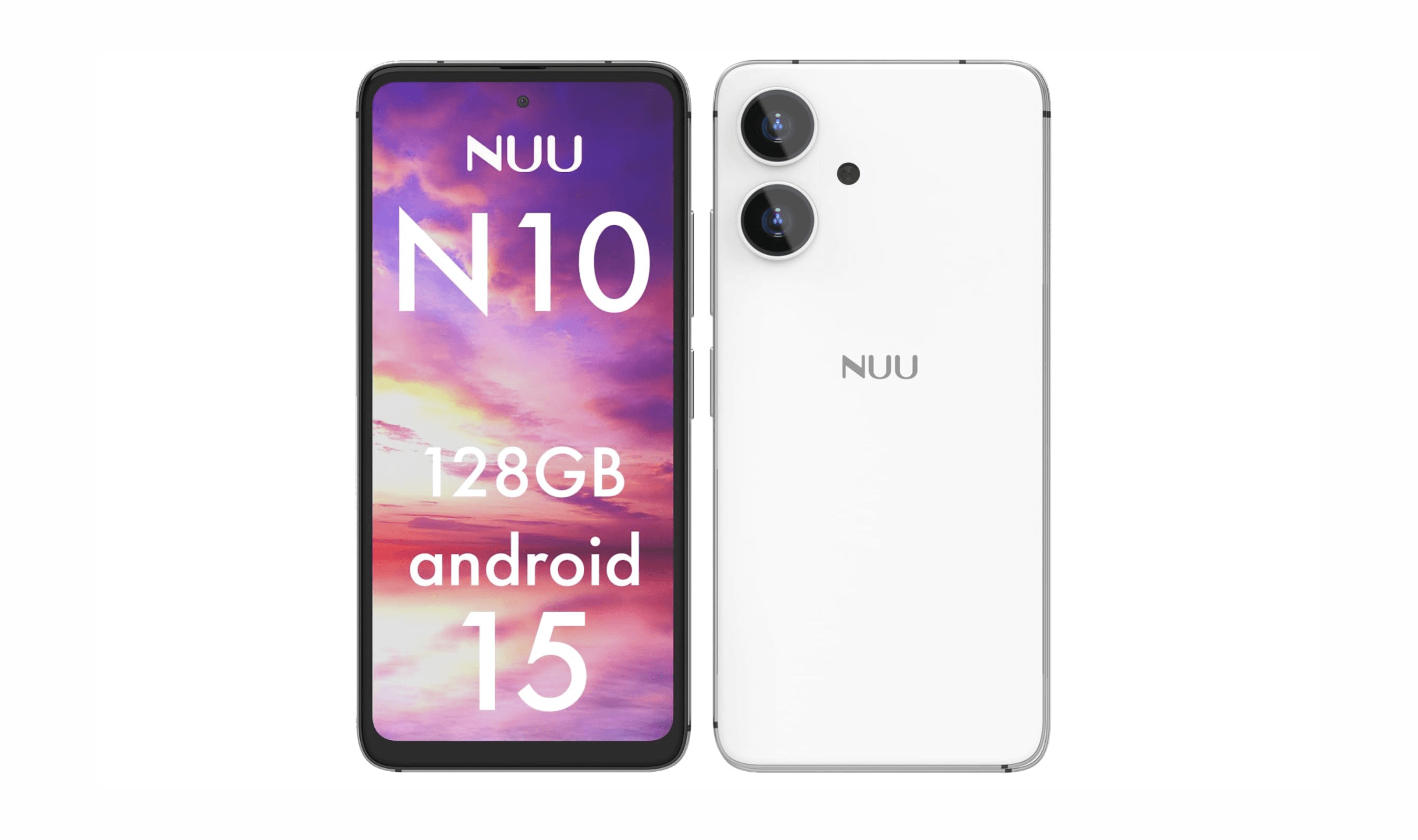
Best Smartphones Under $150 for Everyday Use
3 min read
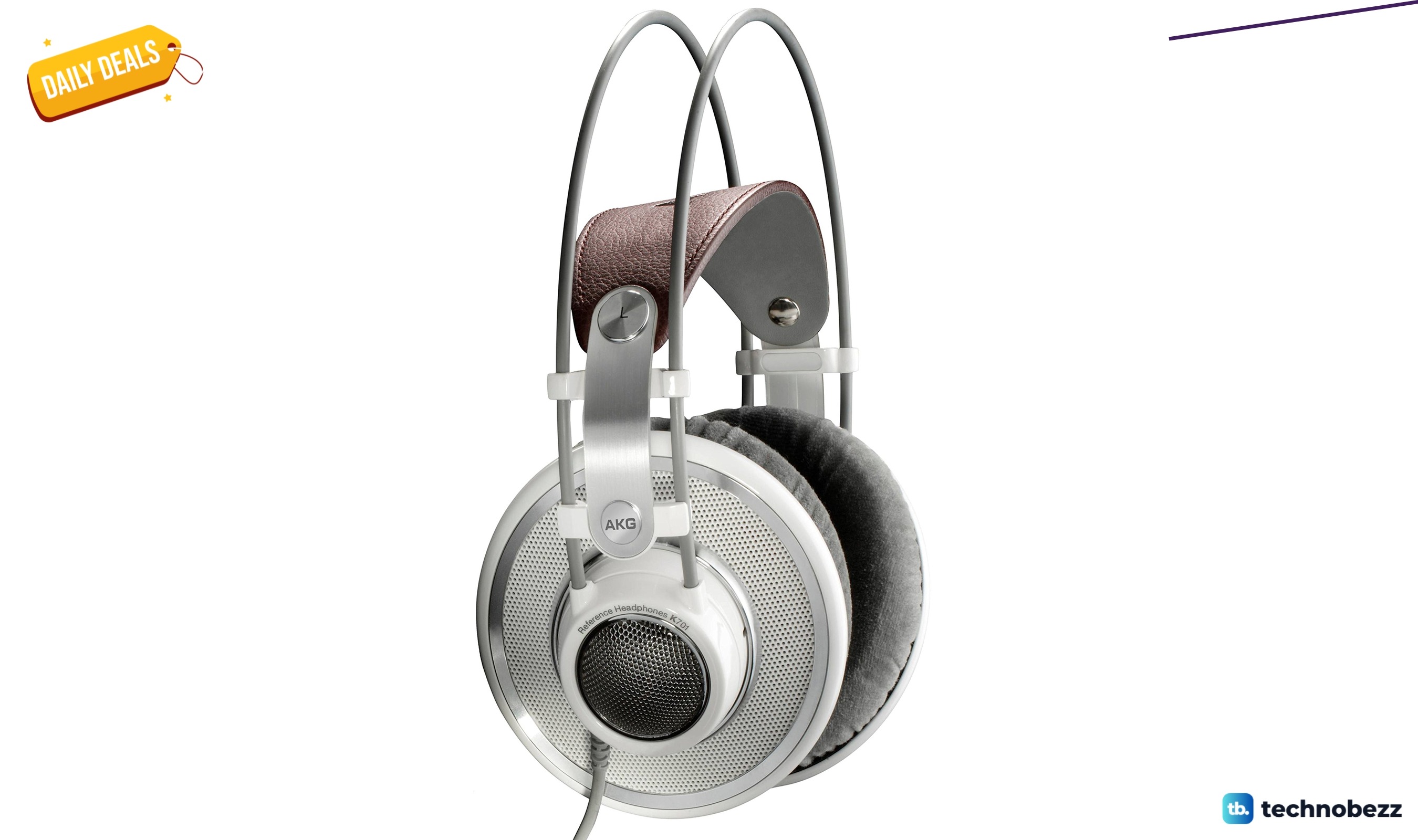
AKG K 701 Ultra Reference Class Stereo discounted to $247.37
5 min read
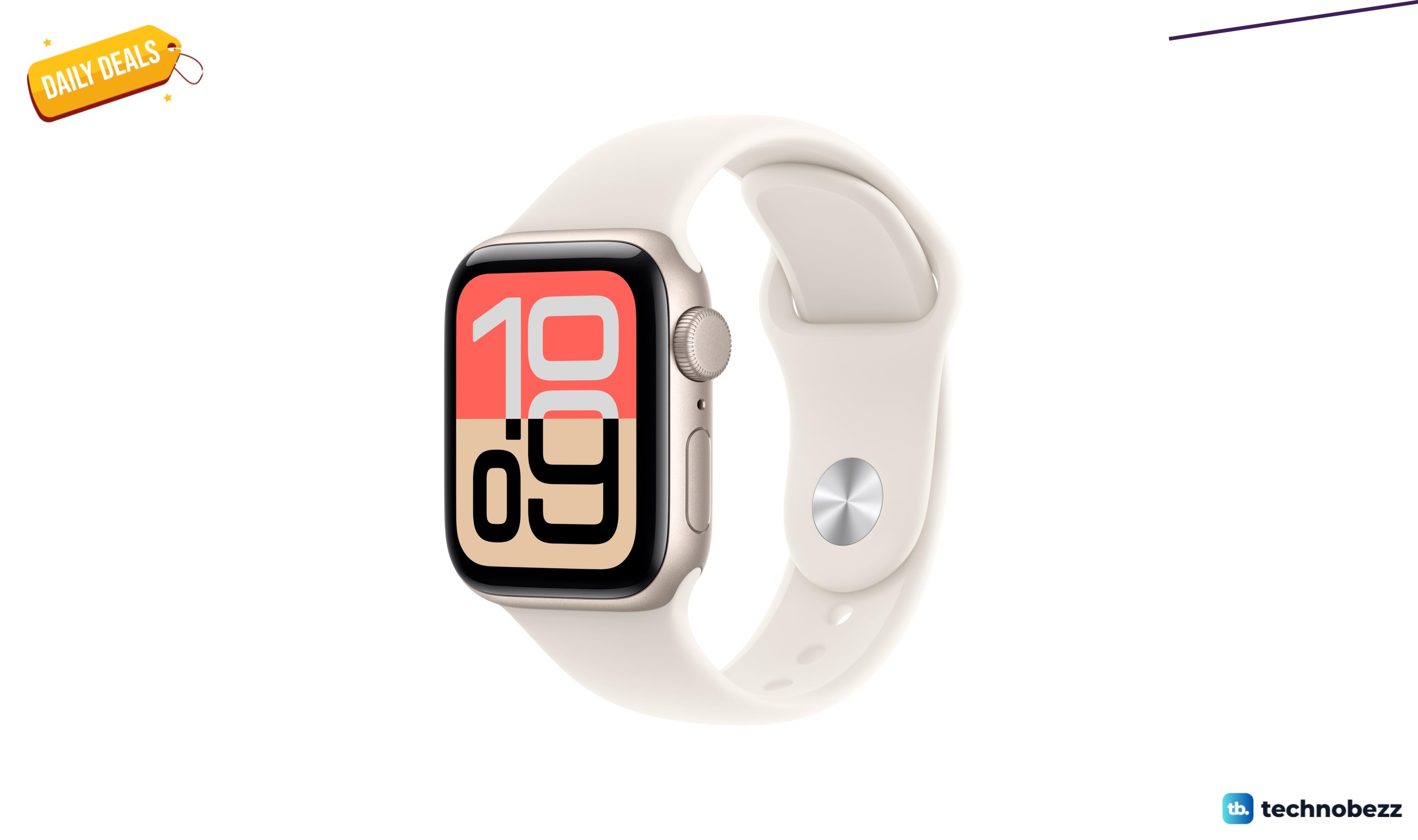
Apple Watch SE 3 GPS 40mm Smartwatch discounted to $189.97
5 min read
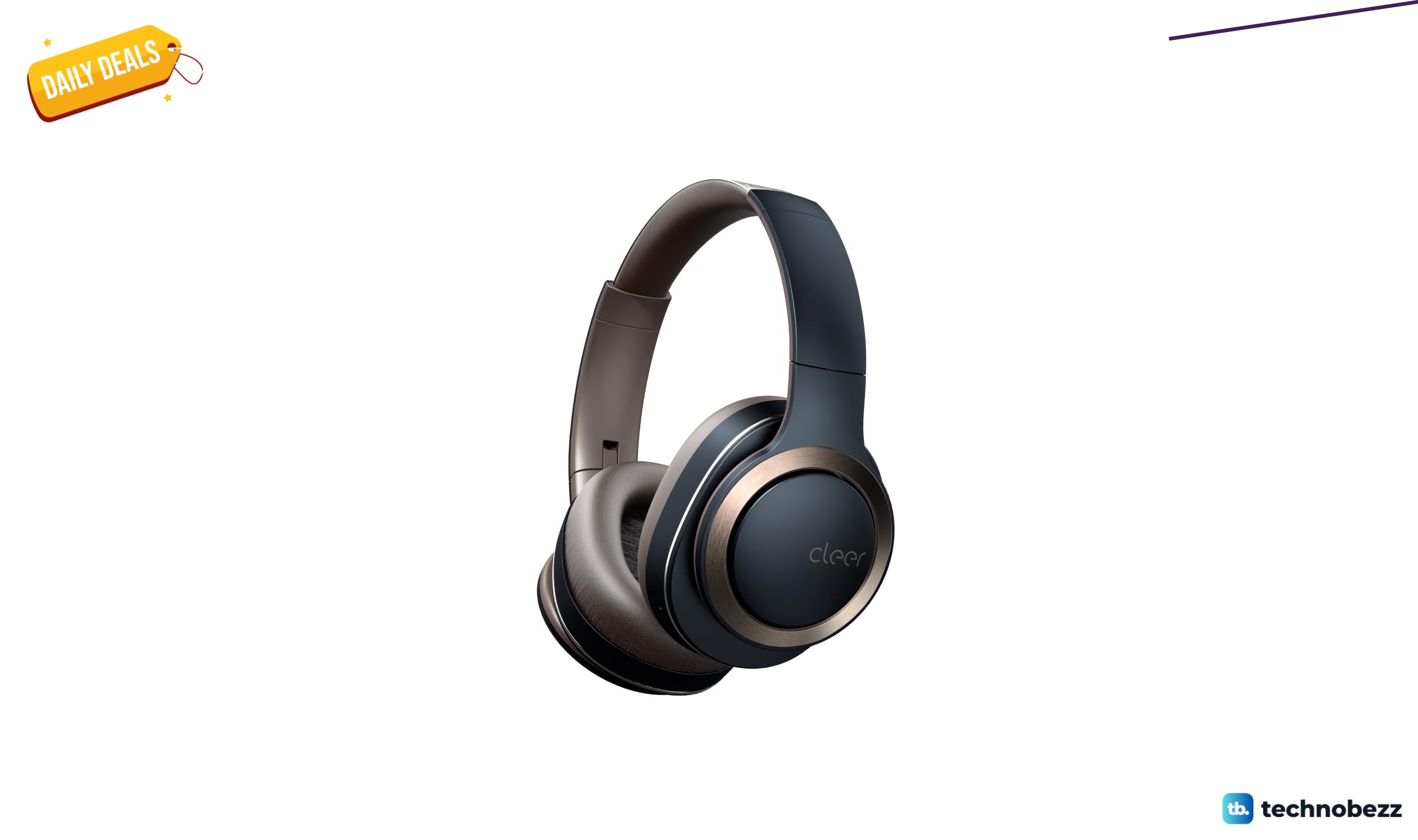
Cleer Audio Enduro ANC Noise Canceling Headphones price drops to $94.99
3 min read

Lenovo coupon codes and deals
5 min read

Woot coupon codes and deals
3 min read

Samsung coupon codes and deals
5 min read