
When your ASUS VivoBook 15 goes silent, it's usually a quick software fix. I'd start by checking the basics, as a simple setting change or a driver hiccup is often the culprit.
Check the Volume and Output
Click the speaker icon in the bottom-right taskbar. Make sure the master volume slider isn't all the way down or muted. Right next to the slider, click the small arrow to see the output device list. If you recently unplugged headphones, Windows might still be trying to send sound to them. Select your laptop's speakers from that menu.
Restart Your VivoBook
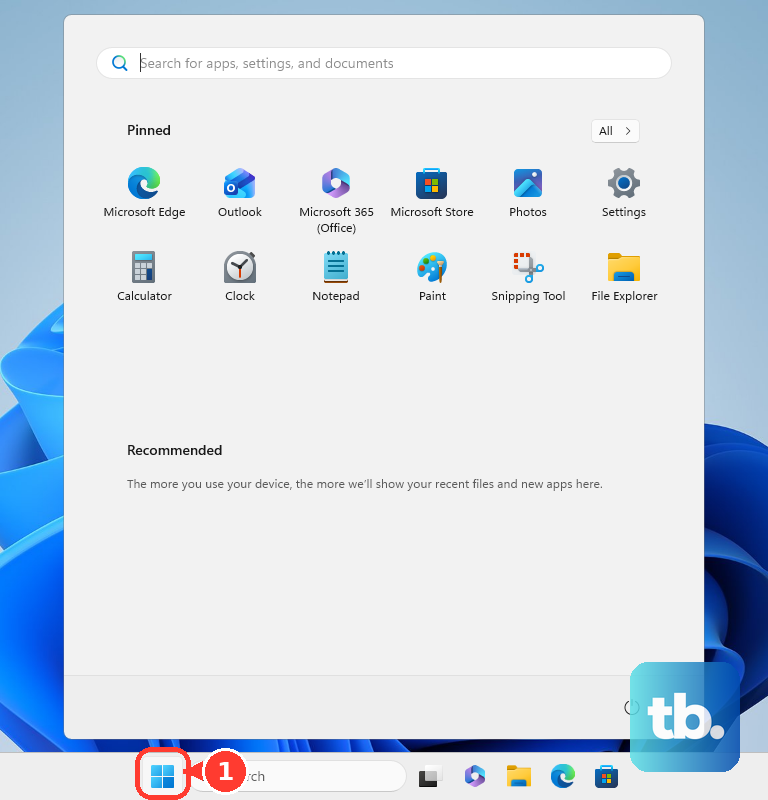
This is the most reliable first step. Click the Start menu, select the power icon, and choose Restart. A full reboot clears out any stuck audio processes and reloads the drivers fresh. It's particularly effective if the sound cut out after the laptop woke from sleep mode.
Use the MyASUS App for Diagnostics
ASUS includes the MyASUS app for system management. Open it and look for a section like "System Diagnostics" or "Hardware Health Check." Run the audio diagnostic tool. It can identify common driver issues or disabled services specific to your VivoBook's hardware.
Update or Reinstall Audio Drivers
Press the Windows key + X and choose Device Manager. Expand the "Sound, video and game controllers" section. Right-click on your audio device (it will likely be Realtek Audio) and select "Update driver." Choose "Search automatically for drivers." If that doesn't work, right-click again, select "Uninstall device," and then restart your laptop. Windows will automatically install a fresh driver when it boots back up.
Run the Windows Audio Troubleshooter
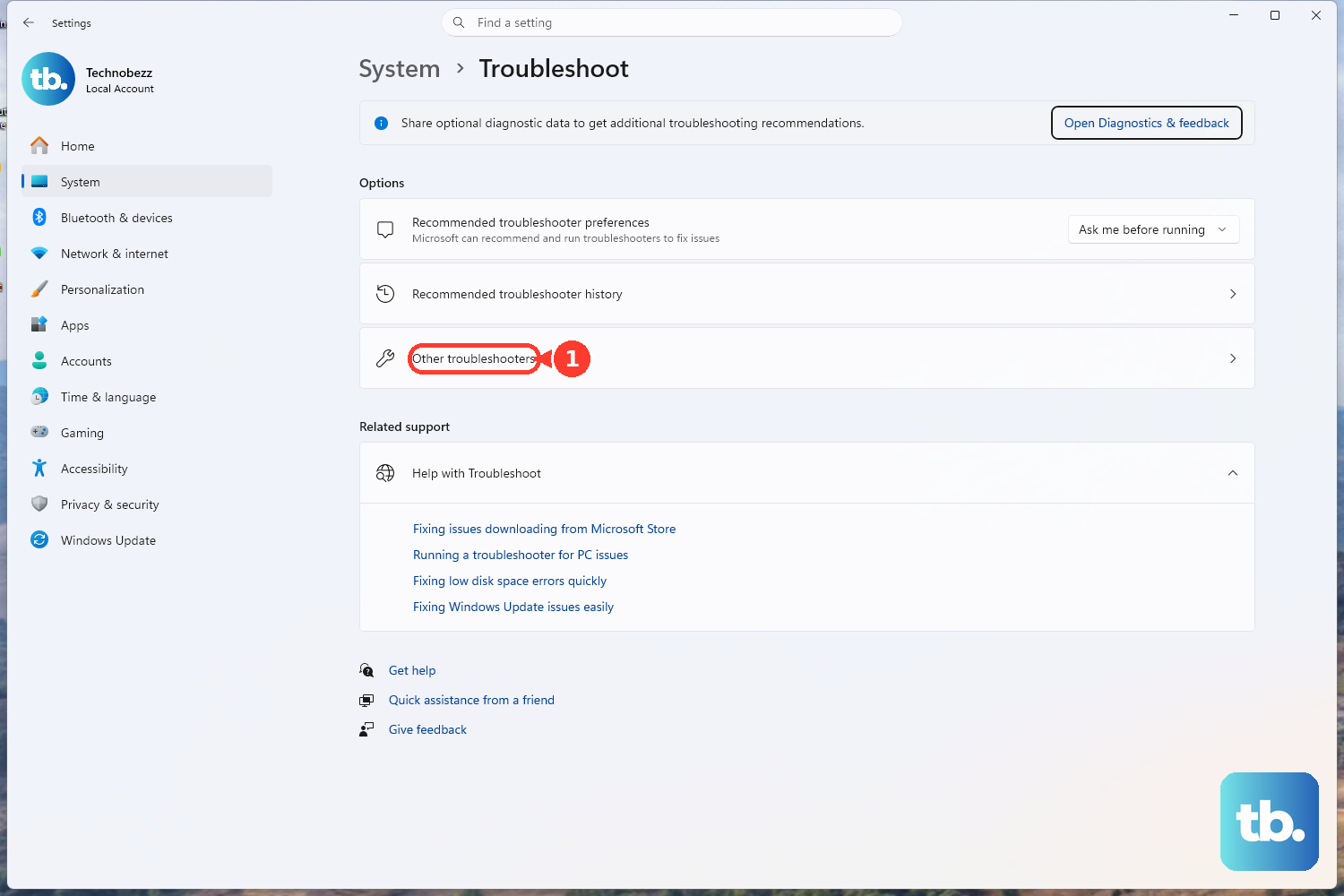
Go to Settings > System > Troubleshoot > Other troubleshooters. Find "Playing Audio" in the list and click "Run." This built-in tool will scan for and attempt to fix common problems like incorrect default devices or audio service errors. It takes about a minute and often resolves the issue without any further steps.
Check App-Specific Volume Mixer
Sometimes, the system volume is fine, but a single app is muted. Right-click the speaker icon in the taskbar and select "Open Volume mixer." You'll see individual volume sliders for every open application. Make sure the app you're using (like your web browser or media player) isn't set to zero or muted.
Disable Audio Enhancements
Sound enhancement software can sometimes conflict and cause audio to drop out completely. Go to Settings > System > Sound. Click on your output device (the VivoBook's speakers), then scroll down and find "Audio enhancements." Set this option to "Off" and test your sound immediately.
Restart the Windows Audio Services
Press Windows key + R, type "services.msc", and hit Enter. In the long list, find "Windows Audio." Right-click on it and select "Restart." Do the same for the "Windows Audio Endpoint Builder" service just below it. This forces the core audio components to reload, which can instantly restore sound if a service had crashed.
Check for Physical Speaker Blockage
The VivoBook 15's speaker grilles are on the bottom of the chassis. If the laptop is on a soft surface like a bed or blanket, the speakers can get muffled or blocked entirely. Try lifting the laptop or placing it on a hard, flat desk. Also, take a quick look to see if any obvious debris is clogging the grilles.
Roll Back a Problematic Driver Update
If the sound stopped working right after a Windows Update, you might have gotten a bad driver. Go back to Device Manager, right-click your Realtek audio device, and choose "Properties." Go to the "Driver" tab and click "Roll Back Driver" if the button is available. This will revert to the previous driver version that was working.
Manage Pre-Installed ASUS Software
Some of the audio utilities or enhancement apps that come pre-installed can cause conflicts. You can try opening the MyASUS app to see if there's a specific audio-related tool that needs updating. Alternatively, in a pinch, you can uninstall non-essential ASUS audio software through Settings > Apps > Installed apps, then restart to see if a cleaner audio driver setup works better.