
When your Acer Swift Go 14 keyboard stops responding, it can feel like you're locked out of your own laptop. The keys might not register at all, certain rows could be dead, or you might get the wrong characters when you type.
It takes a minute to confirm the board itself with a keyboard tester. Press every key once and you will have a clear picture of what actually fails.
This guide walks through the most effective fixes, from quick software resets to checking for known hardware quirks. I'd start with the restart, as it solves a surprising number of these glitches.
Force Restart Your Laptop
Hold down the power button for a full 10 seconds to force a shutdown. Wait a few seconds, then press the power button again to turn it back on. This clears temporary software conflicts and reloads the keyboard driver, which often gets things working again.
If the keyboard was working in the BIOS or at the login screen but stopped in Windows, this is almost always the first fix to try.
Run Acer Care Center
Acer includes a handy tool called Acer Care Center that can diagnose and fix common issues. Open the Start Menu and search for "Acer Care Center." Once it's open, look for a system checkup or diagnostic scan option.
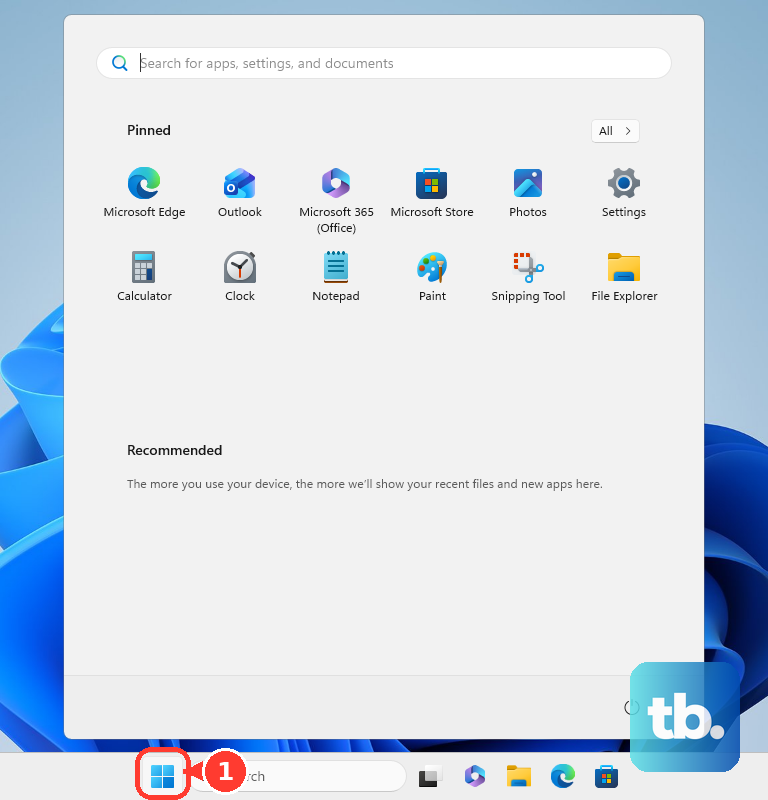
The tool can check for driver updates, including keyboard drivers, and identify any system problems. It's a good centralized place to start troubleshooting on an Acer laptop.
Update or Reinstall the Keyboard Driver
Open the Start Menu, type "Device Manager," and select it. In the window that opens, find and expand the "Keyboards" section. Right-click on "Standard PS/2 Keyboard" or a similar entry and choose "Update driver."
If that doesn't help, right-click it again and select "Uninstall device." Don't worry, restart your Swift Go 14 and Windows will automatically reinstall a fresh, clean version of the driver, which can clear up corruption.
Check for Physical Issues and Clean the Keys
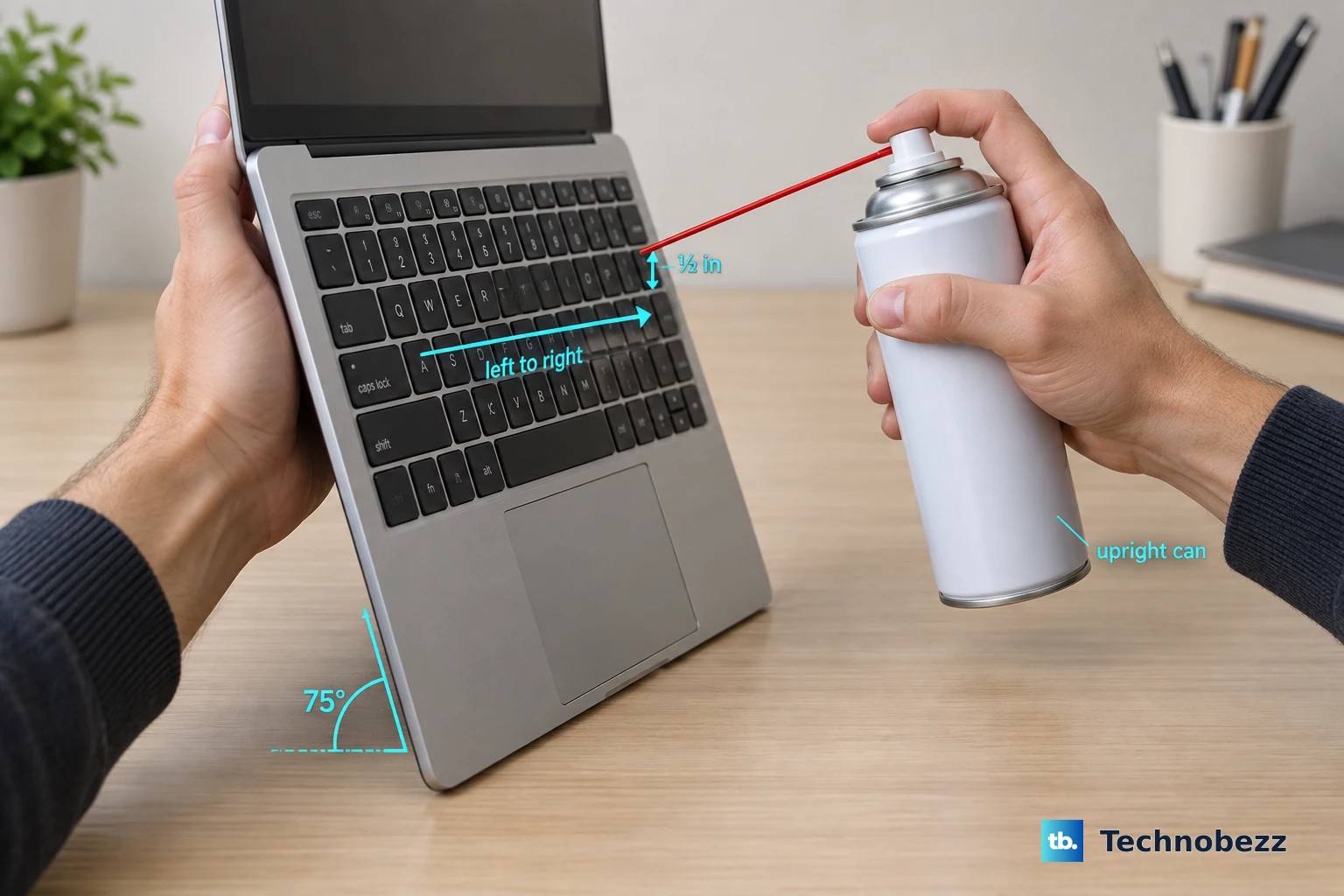
Turn the laptop upside down and give it a gentle shake to dislodge any crumbs or debris. You can use a can of compressed air to blow between the keys, holding the laptop at an angle so the debris falls out.
A single small particle under a key can prevent it from making proper contact. For spills, even old ones, the residue can cause keys to stick or fail.
Disable Windows Filter Keys
Sometimes an accessibility feature gets turned on by accident, making the keyboard seem broken. Press the Windows key and type "Filter Keys" and select "Turn Filter Keys on or off."
Make sure the toggle is set to "Off." Also, on the same settings page, check that "Sticky Keys" is disabled, as that can also cause unexpected behavior.
Verify Your Keyboard Language and Layout
If your keys are typing the wrong symbols or letters, your input language might have switched. Click the language abbreviation in your taskbar (like "ENG" or "USA") and ensure the correct language is selected.
For more control, go to Settings > Time & Language > Language & Region. Check your preferred language and click on it to ensure the correct keyboard layout (like "US QWERTY") is set as default.
Boot into Windows Safe Mode
If the keyboard works in Safe Mode, you know a third-party app or driver in normal Windows is causing the conflict. To get into Safe Mode, go to Settings > System > Recovery and click "Restart now" next to "Advanced startup."
After the reboot, choose Troubleshoot > Advanced options > Startup Settings > Restart. Press the 4 or F4 key to boot into Safe Mode. If the keyboard works there, uninstall any recently added software.
Use an External Keyboard for Testing
Plug in any USB keyboard. If it works perfectly, it strongly suggests a problem with your laptop's internal keyboard hardware or its connection.
This could be a loose ribbon cable connecting the keyboard to the motherboard, which sometimes happens if the laptop was recently serviced or had its bottom panel off.
Check for System Updates and Known Issues
Go to Settings > Windows Update and install any available updates. Microsoft and Acer often release fixes for hardware compatibility bugs through these updates.
It's also worth checking the Acer support page for your specific Swift Go 14 model. Look for any known issues or critical driver updates related to the keyboard or chipset that you might have missed.