
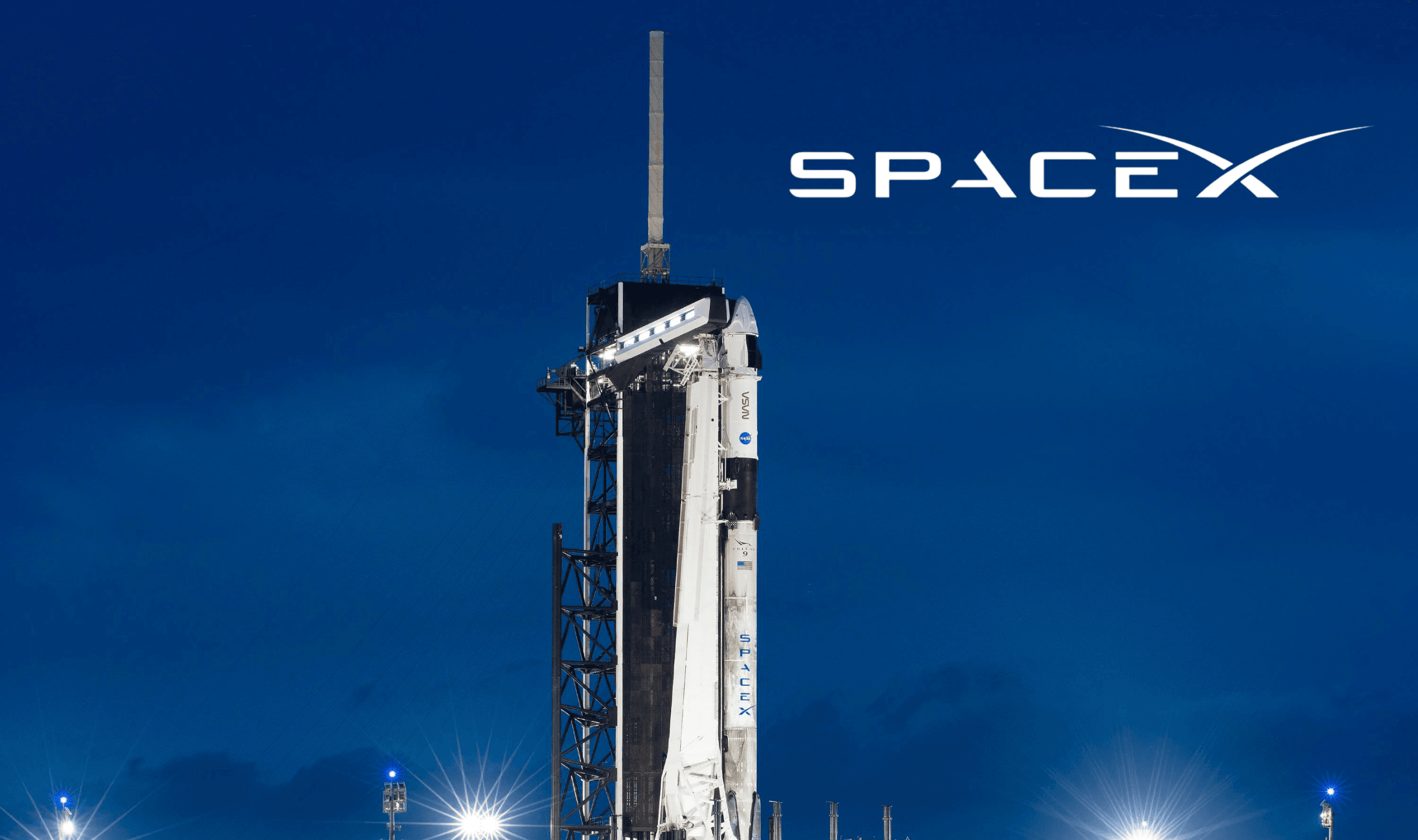
SpaceX completed cryogenic proof testing of its upgraded Super Heavy booster, clearing a critical hurdle for the next Starship flight. The company announced the milestone in a social media post, marking the first successful cryoproof operations with a Super Heavy V3 booster.
The multi-day campaign tested the booster's redesigned propellant systems and structural strength. Engineers loaded super-cold liquid nitrogen into the rocket four times over six days, simulating the cryogenic methane and liquid oxygen that will fill the propellant tanks on launch day.
This achievement moves SpaceX closer to launching the first test flight of Starship V3, an upgraded version of the company's mega-rocket. The previous Starship V2 launched five times last year but failed on its first three attempts.
The booster originally assigned to the first Starship V3 test flight failed during a pressure test in November. The successful cryoproof test validates the redesigned systems that replace that earlier hardware.
SpaceX is targeting March for the 12th Starship test flight, according to CEO Elon Musk.
The updated Starship V3 stands about 1.3 meters taller than its 123.1-meter-tall predecessor, measuring 124.4 meters (408.1 feet) tall and features more powerful engines with design tweaks to enhance performance.
Technicians will now mount 33 Raptor engines to the bottom of the rocket and install grid fins, which differ from those on Starship V2. The Raptor engines set to debut on Starship V3 produce more thrust and include changes to improve reliability.
After engine installation, the Super Heavy booster will move to the launch pad at Starbase in Boca Chica, Texas. SpaceX's launch team will then fill it with methane and liquid oxygen for a test-firing of its 33 engines.
The successful cryogenic test comes after months of reduced activity at SpaceX's Starbase facility. The lull followed a series of dramatic test flights in 2024 and early 2025, during which SpaceX incorporated lessons learned from prior missions into both vehicle hardware and ground systems.
Every month of delay in Starship testing has implications for NASA's lunar timeline, which has already been pushed back multiple times. NASA and SpaceX recently collaborated on the Crew-12 astronaut launch, which was delayed to February 12 due to high winds.
SpaceX must still secure Federal Aviation Administration launch licenses for upcoming flights. The regulatory process has at times created bottlenecks for the company's rapid iteration development model at the environmentally sensitive Boca Chica site.
The renewed activity at Starbase signals SpaceX's preparation for a renewed cadence of Starship test flights. The company's dominance in the global launch market could be further cemented if Starship achieves operational status, potentially dropping the per-kilogram cost of reaching orbit by an order of magnitude compared to current vehicles.
SpaceX recently merged with xAI in a $1.25 trillion deal, creating one of the world's leading private firms.