
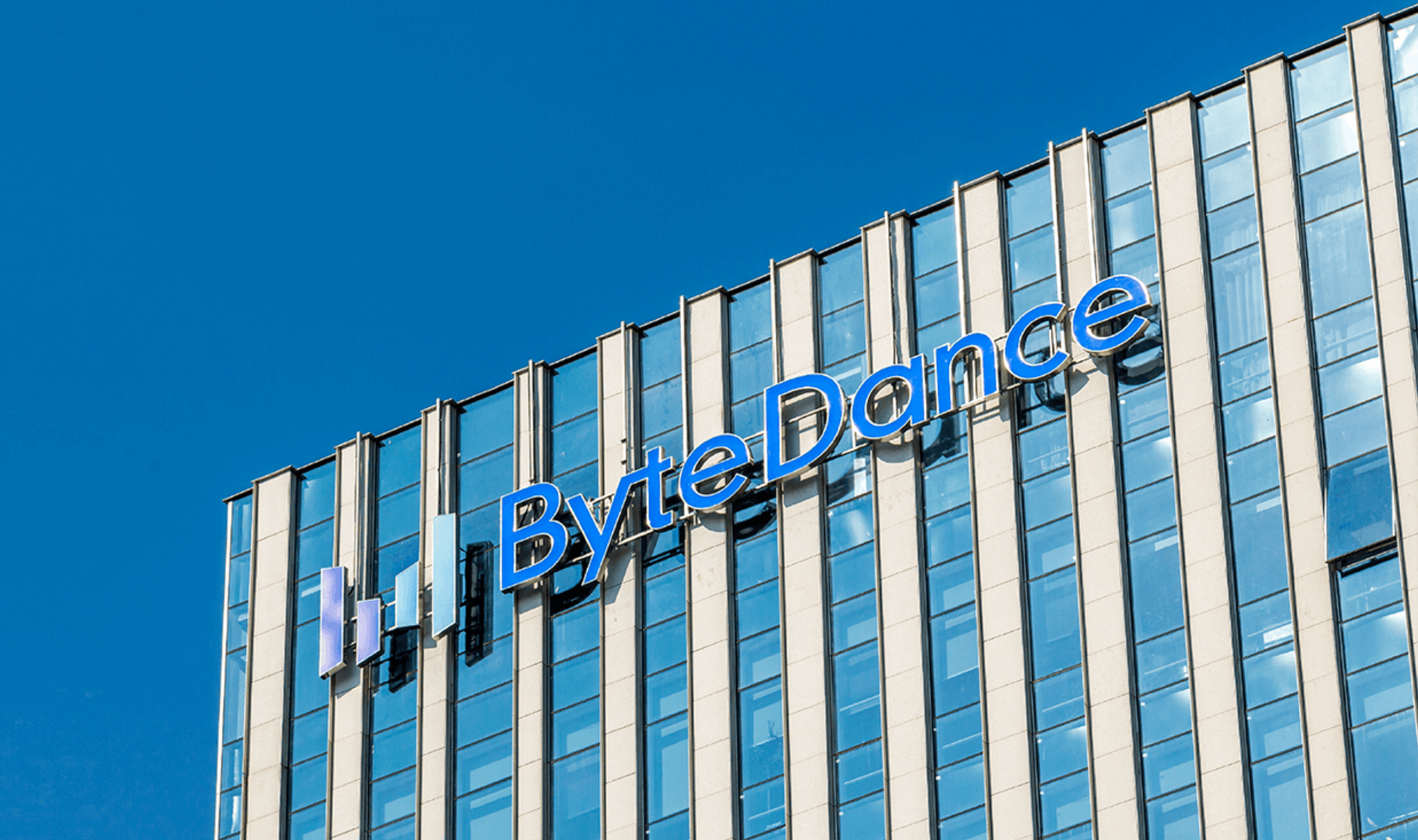
ByteDance is developing its own artificial intelligence chip and negotiating with Samsung Electronics for manufacturing, according to Reuters sources. The TikTok parent company aims to receive sample chips by the end of March 2026.
The chip, internally codenamed SeedChip, focuses on AI inference workloads rather than training. These tasks power real-time applications like chatbots and recommendation engines.
ByteDance plans to produce at least 100,000 units this year, with potential scaling to 350,000 units.
Negotiations with Samsung reportedly include access to memory chip supplies currently experiencing global shortages. High-bandwidth memory (HBM) has become a critical bottleneck in AI infrastructure development. Samsung's ability to offer both foundry services and memory products gives it an advantage in these discussions.
ByteDance has called reports about its in-house chip project "inaccurate" without providing further details. Samsung declined to comment on the talks.
Both companies' responses follow typical industry patterns for sensitive negotiations.
The chip development effort dates back to at least 2022 when ByteDance began hiring semiconductor engineers. Reuters previously reported in June 2024 that ByteDance was working with Broadcom on an AI processor destined for TSMC manufacturing. The Samsung discussions could represent either a strategic pivot or parallel development to diversify supply chains.
ByteDance plans to spend over 160 billion yuan ($22 billion) on AI-related procurement this year. More than half would go toward purchasing Nvidia H200 chips and developing in-house alternatives. This massive budget equals roughly 10% of the company's estimated annual revenue.
Chinese tech giants face increasing pressure to develop domestic AI chips due to US export controls. Alibaba unveiled its Zhenwu chip for large-scale AI workloads last month. Baidu sells chips to external clients and plans to list its chip unit Kunlunxin soon.
ByteDance executive Zhao Qi told employees at a January meeting that AI investment would benefit all company divisions.
Zhao, who oversees the Doubao chatbot and its international version Dola, acknowledged the company's AI models lag behind OpenAI but committed to sustained development funding.
The company's Doubao chatbot, launched in 2023, handles millions of queries across e-commerce, short video, and cloud platforms. TikTok processes billions of video recommendations daily, requiring thousands of inference chips running continuously.
Global technology giants including Google, Amazon, and Microsoft have developed proprietary AI chips to reduce dependence on Nvidia. For Chinese companies, US restrictions on Nvidia's most advanced GPUs have added urgency to these efforts as domestic alternatives remain several generations behind in performance.
If finalized, the Samsung partnership would mark a significant milestone for ByteDance's semiconductor ambitions. It would also represent a major win for Samsung's foundry business amid intensifying competition in advanced chip manufacturing, similar to recent moves by other AI chip startups securing major funding.