
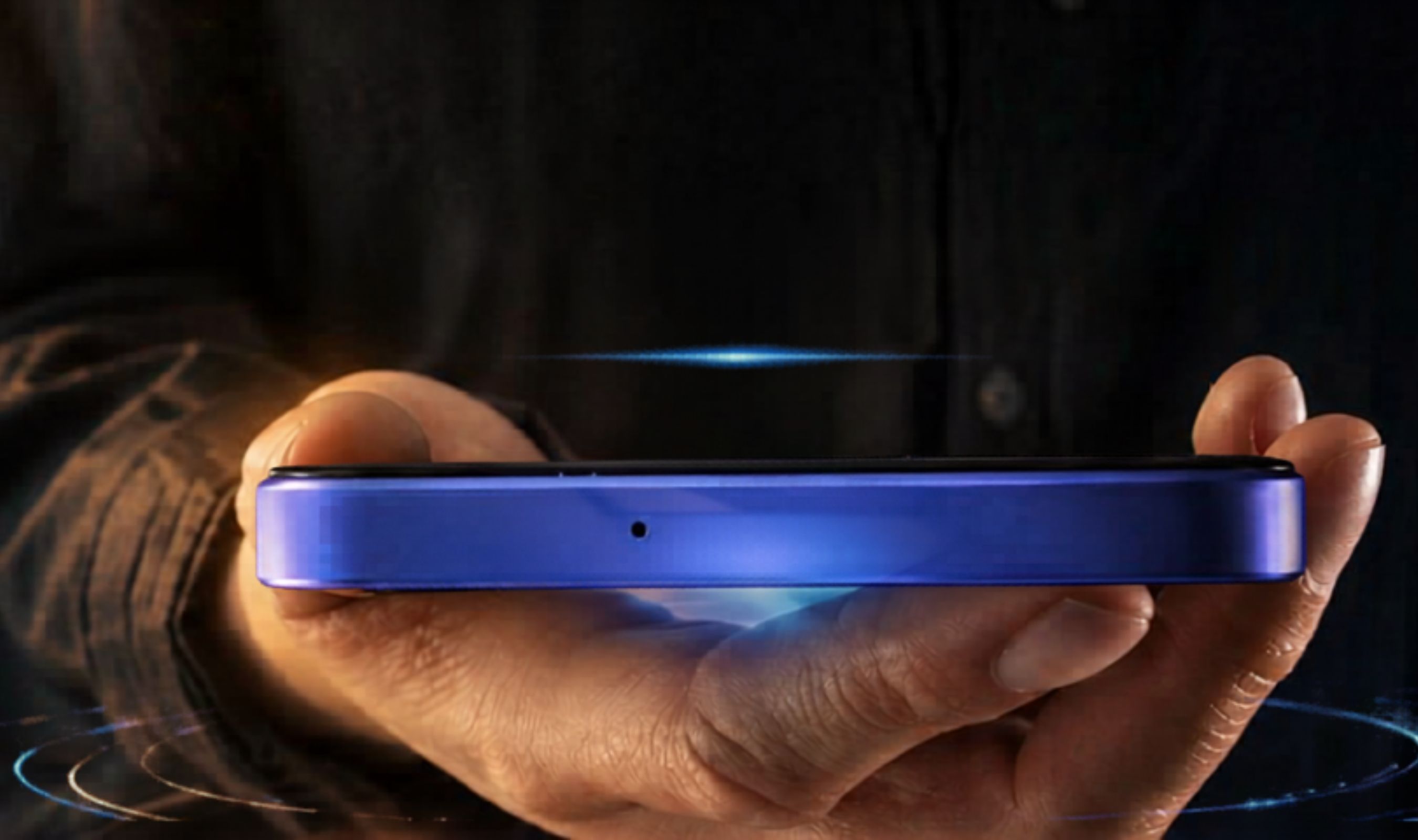
OpenAI wants to ship an AI agent phone by the second half of 2027, pulling forward mass production from an earlier 2028 target, according to supply chain analyst Ming-Chi Kuo. The company is now targeting first-half 2027 mass production of a device built from the ground up around an AI agent operating system. Kuo argues that controlling both the OS and hardware is the only way OpenAI can deliver a AI agent service, shifting phone interactions from launching apps to completing tasks within a context-aware interface that handles vision, language, and memory simultaneously.
MediaTek has emerged as the leading processor supplier for the project. The chip is a customized version of the rumored Dimensity 9600, built on TSMC's next-generation N2P node and expected to be revealed in the second half of 2026.
Unlike standard smartphone silicon, this chip prioritizes AI workloads over raw performance metrics, featuring a dual-NPU architecture for handling different types of AI computation at once. The device's headline spec is its image signal processor, which includes an enhanced HDR pipeline designed to improve how the AI perceives the world through the camera. The phone will also pack LPDDR6 RAM, UFS 5.0 storage to ease memory bottlenecks during high-speed AI processing, two dedicated AI processors for handling vision and language tasks separately, and security features that isolate processes through protected virtual machine technology.
Kuo estimates combined 2027-2028 shipments could reach around 30 million units if development stays on track, an ambitious target for a first-generation device from a company that has never manufactured a phone before. The accelerated timeline contradicts earlier reports that OpenAI had no plans to enter the mobile market. It also suggests the company is moving faster than anticipated on hardware, with potential motivations including supporting a year-end IPO narrative and responding to competition in the AI hardware space.
This phone project is separate from OpenAI's collaboration with Jony Ive, which has been described as a "third core device" after a MacBook Pro and an iPhone. OpenAI CEO Sam Altman has called that device the "coolest piece of technology that the world will have ever seen." Kuo's latest update signals the phone, not the Ive project, is now OpenAI's most accelerated hardware priority.
OpenAI has not commented on the report. The 2027 production target remains a supply chain forecast, not a company-confirmed launch plan.