
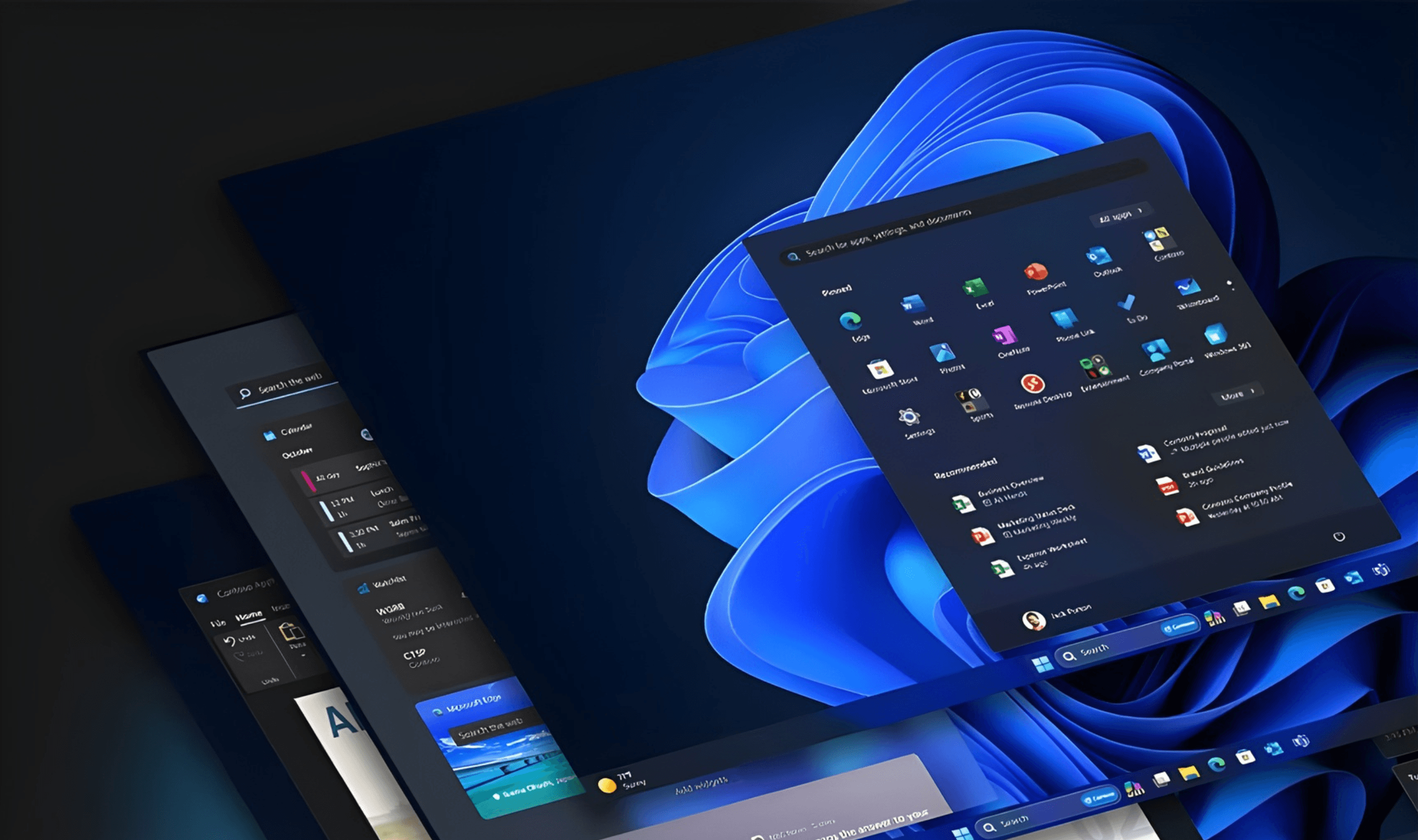
Microsoft is scaling back AI integrations across Windows 11 following sustained user backlash against the operating system's aggressive artificial intelligence push. The company has reportedly ordered engineers to pause new Copilot integrations and focus on stability improvements instead.
The strategic shift comes after months of criticism targeting AI features like Windows Recall and Copilot integrations in apps like Notepad and Paint. According to sources familiar with Microsoft's plans, the company is now evaluating where AI features genuinely add value versus where they create unnecessary complexity.
Windows president Pavan Davuluri's November 2025 comment about Windows evolving into an "agentic OS" drew thousands of negative responses online. Users questioned the usefulness and placement of AI features that appeared across built-in applications without clear user benefits.
Microsoft's review could lead to the removal of some Copilot features or changes in branding to create a more streamlined experience. Sources indicate the company has paused work on adding new Copilot buttons to Windows apps and is exploring ways to revise the controversial Recall feature rather than abandon it entirely.
The company appears to be moving away from an "AI everywhere" approach toward more targeted integrations. File Explorer and Windows Search represent daily-use interfaces where AI assistance might prove valuable, while productivity apps like Notepad faced resistance to features users didn't request.
This dual approach reveals Microsoft threading a needle between AI ambition and user tolerance. The company is simultaneously testing new Copilot integrations in Windows 11 26H2 preview builds while scaling back similar features in existing applications.
Windows 11 26H2, expected in October 2026, includes Copilot integration in File Explorer, taskbar search, and the notification center. These new integrations reflect Microsoft's opt-in strategy for AI features, marking a shift toward giving users more control over Copilot placements.
The backlash began in 2024 with the announcement of Windows Recall, an AI-powered feature that caught significant criticism over security and privacy concerns. Microsoft delayed the rollout by a year to address those issues, but the feature has reportedly not succeeded in its current form.
Over the past year, Microsoft expanded Copilot integrations across built-in apps such as File Explorer and Notepad. The move made Windows 11 users even angrier, with many questioning the usefulness and placement of the AI features.
Microsoft's engineering teams have been told to focus on making Windows 11 stable and perform efficiently rather than delivering flashy AI features. The company reportedly believes the "over AI-ness" of Windows 11 has irked many users and plans to tone it down over the next few months and years.
The strategic reevaluation comes as Windows 11 faces broader performance and stability challenges. Nvidia confirmed it's investigating gaming issues following the January 2026 Windows Update KB5074109, which caused black screens and artifacts in games like Forza Horizon.
Users reported losing 10 to 20 frames per second and experiencing worse 1% low performance after installing the update. Nvidia engineers observed that removing the Windows update appears to solve the problem, though Microsoft has released a subsequent update addressing some display issues.
Performance problems extend beyond gaming. Windows 11's Connected User Experiences and Telemetry service causes sudden RAM spikes even when users aren't running intensive applications. The service, which collects diagnostic data for Microsoft, can allocate memory quickly for compatibility scans and release it once tasks complete.
These technical issues compound user frustration with AI features. Many long-time Windows users report feeling more tired of Windows 11 than excited about it, with some switching to macOS for what they describe as a cleaner, more focused computing experience.
Apple's control over both hardware and software allows macOS to maintain consistent menus, windows, and system tools across applications. Windows 11, by contrast, must support thousands of hardware designs, leading to a system that some users describe as feeling "stitched together."
Microsoft's broader changes to Windows 11 this year will focus on signaling responsiveness to user feedback. Streamlining where Copilot appears across built-in apps is expected to be part of that process, along with efforts to improve system stability and performance.
The company continues development of other AI initiatives, including Semantic Search, Agentic Workspace, Windows ML, and Windows AI APIs. Microsoft views these system-level tools as important for developers and part of a broader effort to position Windows alongside other operating systems building AI frameworks, including Arm-based Windows 11 devices.
For now, Microsoft appears to be taking a more measured approach to AI integration. The company is testing whether user control through optional features can resolve the backlash that forced scaling back in productivity apps, while still advancing its AI ambitions in system-level tools.
The nine-month testing window for Windows 11 26H2 positions Microsoft to iterate on Copilot integration based on Insider feedback before wide deployment in October. For users who found earlier AI integrations intrusive, the extended preview period offers a final checkpoint before the fall release.
Microsoft's challenge remains balancing innovation with user experience. The company's heavy bets on AI PCs starting a new era for the industry depend on Windows 11 spearheading that charge, but user resistance suggests the platform needs refinement before widespread adoption.
The Windows 10 end of support in 2025 gave Microsoft an ideal window to push users toward AI PCs, but market response has been mixed. While AI features show promise, few have become indispensable to daily machine use, according to user testing over the past 12 months.
Microsoft's reevaluation represents a pragmatic response to market feedback. By concentrating Copilot in system-level tools and making those integrations optional, the company appears to be testing whether user control can resolve the backlash that defined Windows 11's AI rollout.
The coming months will determine whether Microsoft's opt-in strategy succeeds in making AI features feel like valuable enhancements rather than intrusive overhead.
For now, Windows engineers have clear instructions: make the platform stable and perform with efficiency first, deliver flashy AI features second.