
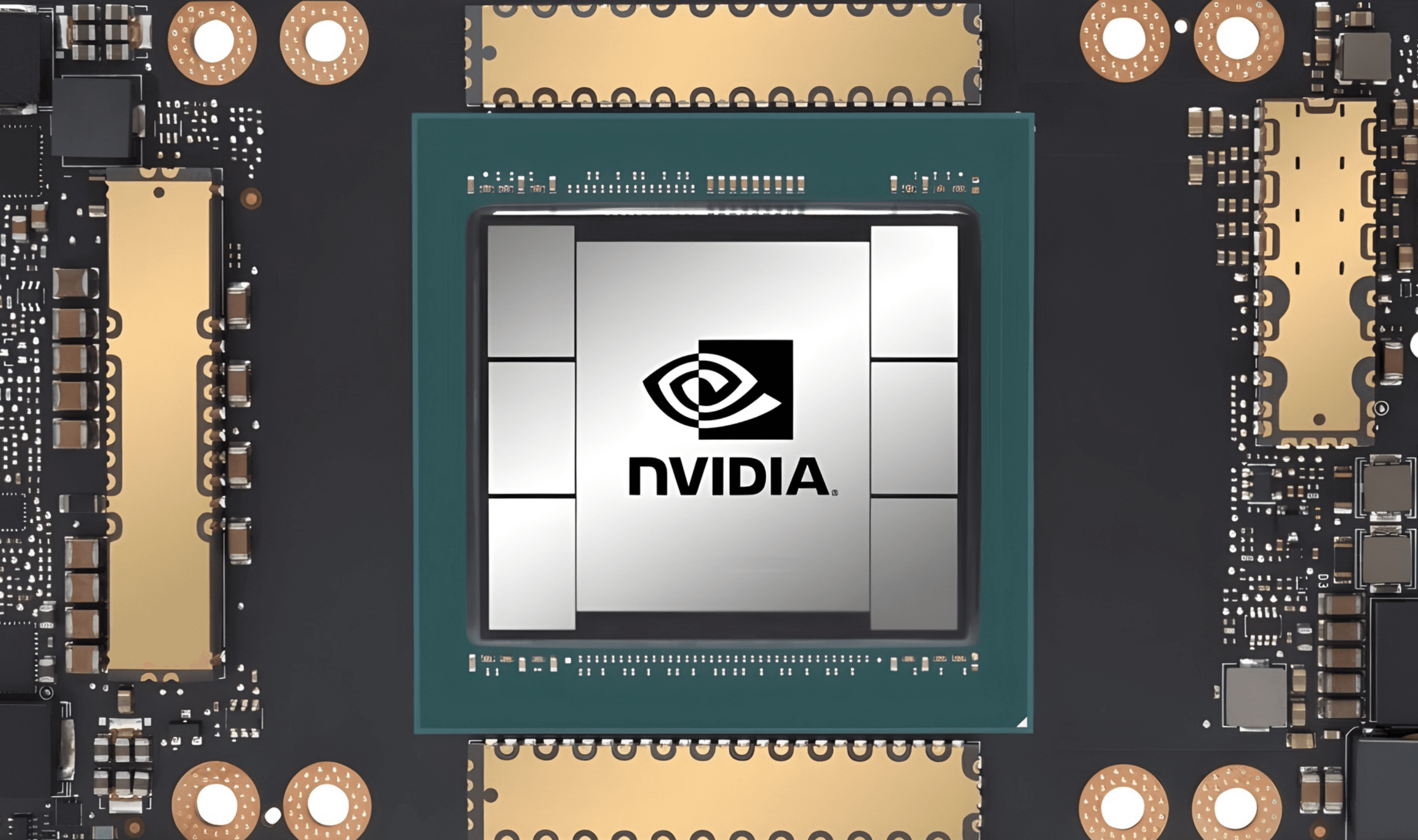
Nvidia's H200 AI chip sales to China remain stalled nearly two months after President Donald Trump approved exports, according to a Financial Times report. The U.S. State Department is pushing for tougher restrictions that could further delay shipments.
Chinese customers have not placed H200 orders with Nvidia while awaiting clarity on license approvals and conditions. The Commerce Department completed its analysis in January, but State Department officials want stricter limits to prevent potential military or intelligence applications.
Nvidia CEO Jensen Huang secured a December agreement with Trump that raised expectations for re-entering a market he estimates could be worth $50 billion annually. The deal allowed exports under case-by-case licenses with the U.S. government taking a 25 percent cut of sales.
Implementation has stalled as U.S. agencies debate security conditions. Some suppliers paused H200 component production amid the uncertainty, according to sources familiar with the discussions.
The licensing process faces unusual complexity because Trump approved exports first, then tasked agencies with determining conditions. This reversed the typical regulatory sequence, creating inter-agency friction.
State Department concerns focus on preventing Chinese military or intelligence services from accessing advanced AI computing power. The department reportedly wants mandatory third-party testing, detailed end-use reporting, and requirements that half of shipments go to U.S. customers.
Chinese regulators responded cautiously to the December agreement. Beijing reportedly instructed customs to stop H200 imports and told domestic firms to avoid purchases unless necessary. Limited access is being considered for select companies like Alibaba and ByteDance.
AMD faces similar delays under the same agreement. CEO Lisa Su confirmed this week that AMD still hasn't received approval to ship its MI325X chip to China, according to CEO Lisa Su's comments to analysts.
The H200, while advanced, trails Nvidia's latest Blackwell architecture by one generation. Chinese companies would be barred from deploying the chips in overseas data centers, limiting global expansion plans.
As uncertainty persists, Chinese firms are preparing alternative strategies for AI computing power. Some continue renting servers outside China while exploring domestic chip options.
Nvidia shares declined 3.3 percent this year and are down over 13 percent from their November peak. Stocktwits sentiment remained neutral despite the China market uncertainty, according to an Asianet News Network report.
The situation reflects broader U.S.-China technology tensions that have disrupted Nvidia's Chinese business for years. Both governments are balancing AI development needs against national security concerns and domestic industry support.