
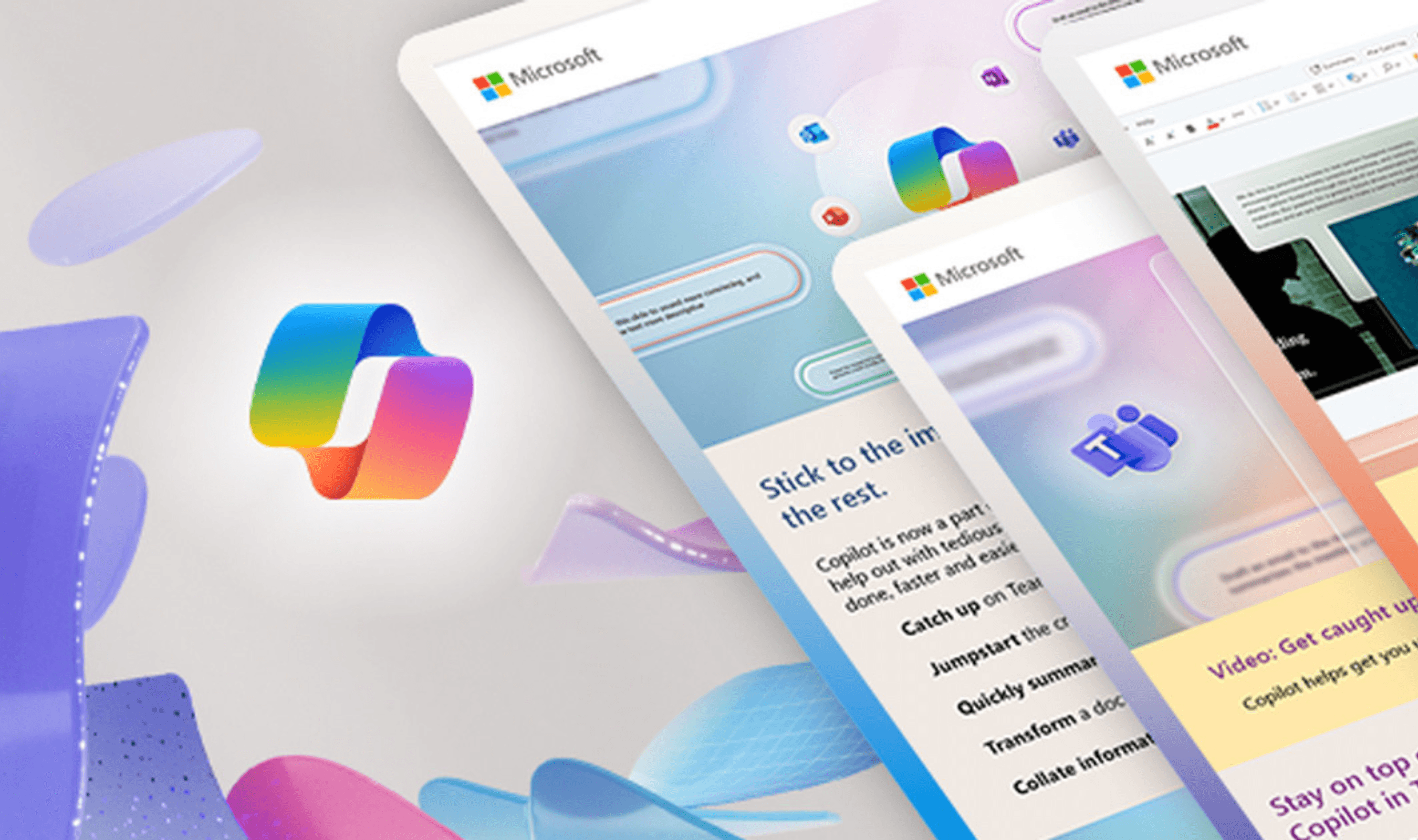
Microsoft's flagship AI assistant Copilot faces mounting adoption challenges as users defect to competing services and investors question the company's massive AI spending.
Copilot's primary usage rate among subscribers dropped from 18.8% to 11.5% between July and late January, according to Recon Analytics survey data covering more than 150,000 U.S. respondents. During the same period, Google's Gemini gained ground, increasing from 12.8% to 15.7% as users' first-choice AI assistant.
The decline comes despite Microsoft spending $37.5 billion on AI infrastructure in its latest quarter, a 66% year-over-year increase. Only 3.3% of Microsoft 365 users who interact with Copilot actually pay for the service, according to Windows Central analysis, translating to approximately 15 million paid seats against a potential user base of 450 million.
Microsoft shares have fallen 26% from their peak three months ago, wiping out $1 trillion in market value. The stock dropped nearly 10% last week after quarterly earnings, despite the company posting revenue of $81.3 billion, a 17% year-over-year increase that beat analyst expectations.
Investors focused on capital expenditures that reached $37.5 billion, up 66% from the previous year.
"Revenue growth is now being outpaced by cost expansion," Windows Report noted, highlighting concerns about when AI investments will translate to durable profits.
Some companies use only about 10% of the Copilot subscription seats they pay for, according to Citi Research analysis. Users cited poor experience and restrictive usage limits as reasons for switching to alternatives like ChatGPT and Gemini.
Internal challenges compound the adoption problems. Customer surveys show confusion about multiple Copilot versions, with users complaining about the assistant being forced onto documents and browsers. Organizational silos between consumer-focused teams and enterprise divisions have made achieving a unified vision difficult.
CEO Satya Nadella flagged interoperability issues in an email to executives last year, detailing an incident where the enterprise version of Copilot on Edge browser couldn't fulfill a prompt about a public webpage. While that specific issue was resolved, similar difficulties persist.
Competitive pressure intensified recently as Anthropic's Claude Cowork drew praise for its ability to work across Microsoft 365 applications in ways Copilot users have found difficult. The release contributed to Tuesday's slide in software stocks.
Piper Sandler analyst Billy Fitzsimmons maintains an overweight rating on Microsoft with a $600 price target, calling the company "perhaps the best pure-play on AI adoption today." The firm's second-half 2025 CIO survey showed incremental positivity on both Azure and Copilot activity.
"AI demand will continue to outpace supply in 2026 and 2027," Fitzsimmons wrote, predicting the trend will boost Azure and Copilot adoption.
Microsoft shares still fell 2.6% on Tuesday despite the bullish call.
Microsoft's own workforce shows stronger adoption, with internal sales organization usage increasing from 20% to more than 70% over the past year. The company has instructed managers to include AI use questions in performance discussions and created boot camps for engineers to immerse themselves in AI tools.
The company spent roughly $60 million on television ads for Copilot in 2025, compared to less than $1 million for LinkedIn, its next-most-heavily advertised brand. Microsoft plans to run a Super Bowl ad for Copilot this Sunday, its second since 2024, with 30-second spots costing more than $8 million.
Azure growth remains strong at 38% for the latest quarter, though slightly down from 39% in the same period last year. The cloud computing unit represents Microsoft's core AI infrastructure business and is expected to grow 37%-38% in the current quarter.
Microsoft owns a 27% stake in OpenAI, currently valued at $135 billion, and committed up to $5 billion in Anthropic last November. The company cited Anthropic as a driver of 23% growth in commercial bookings last quarter.
Windows Central reported Microsoft is reevaluating its AI strategy in Windows 11, potentially streamlining or removing features users don't find valuable. The review may include Copilot integrations in apps like Notepad and Paint.
The iShares Expanded Tech-Software ETF fell more than 5% on Tuesday and is down 13% since January 28, reflecting broader concerns about AI disruption in the cloud software sector. Investors fear AI could enable companies to develop in-house tools that reduce dependence on subscription software.
Microsoft trades at a price-to-earnings ratio of 25, cheaper than the S&P 500, with revenue growing in the high teens. The company has $625 billion in commercial remaining performance obligations, with OpenAI accounting for 45% of that total.
"While some investors have argued that Microsoft's homegrown AI products like Copilot have disappointed," The Motley Fool noted, "the company has more ways to win from AI than probably anyone else."