
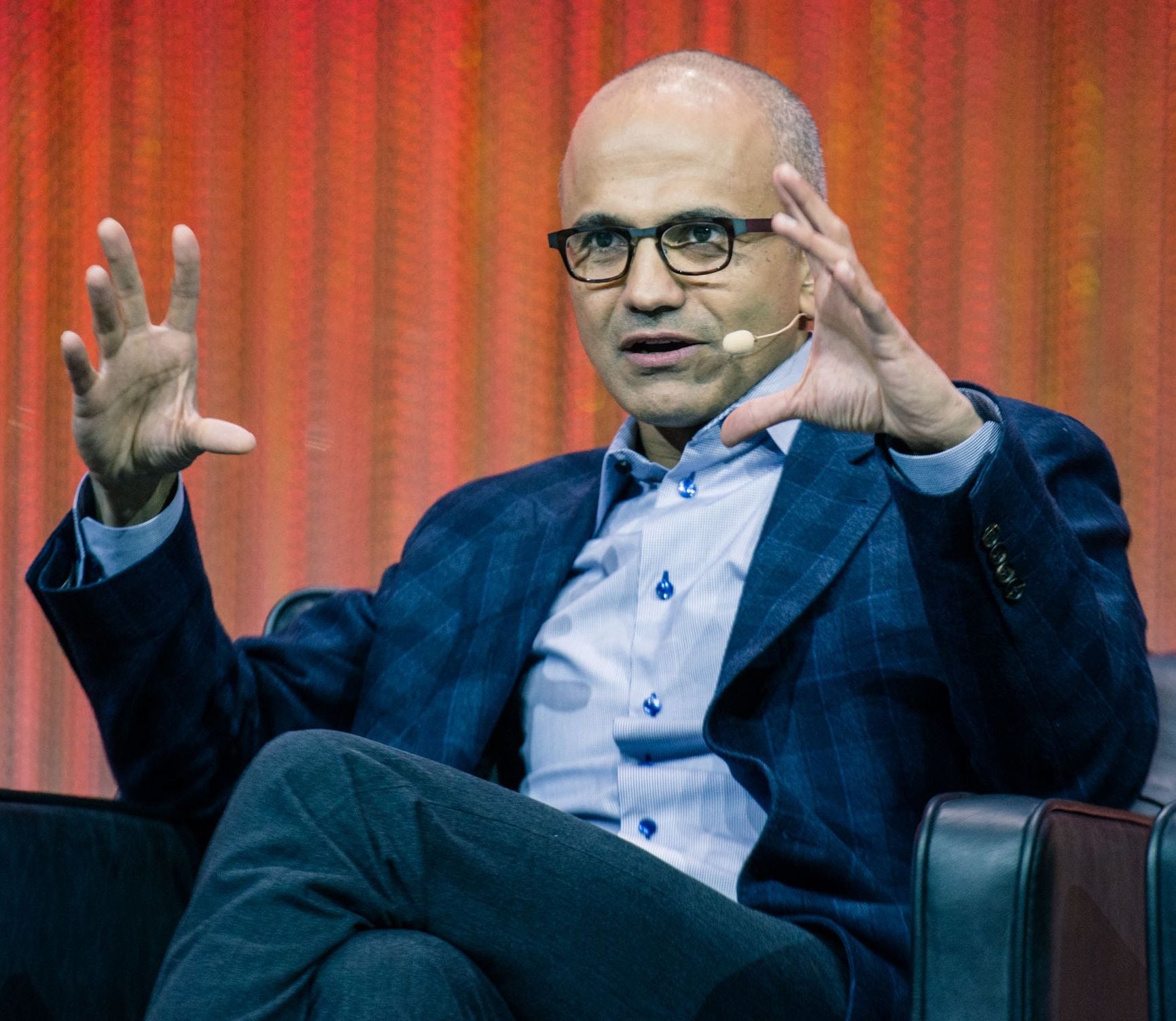
Microsoft CEO Satya Nadella inadvertently made "Microslop" a trending term this week after urging critics to "get beyond the arguments of slop vs sophistication" in AI discussions. The viral moment coincides with mounting user frustration over Windows 11 quality issues and Microsoft's aggressive AI push across its product ecosystem.
Nadella's "Looking Ahead to 2026" post attempted to frame 2026 as a pivotal AI year, but his phrasing triggered immediate backlash across social media platforms. The CEO wrote that Microsoft needs to "develop a new equilibrium in terms of our 'theory of the mind'" regarding AI tools, but users seized on the "slop" reference to describe what they see as declining software quality.
The backlash extends beyond social media commentary. Microsoft quietly removed phone-based Windows activation this month, according to TechRadar and ZDNet reports. Users calling the Microsoft product activation number (1-888-725-1047) now receive an automated message directing them to an online portal instead of connecting to support representatives.
Phone activation served as a critical offline option for users without reliable internet access or those preferring local accounts over Microsoft accounts. The online portal requires solving CAPTCHA puzzles and signing in with Microsoft or business accounts, creating barriers for users in remote areas or those avoiding cloud-based authentication.
Windows 11 faces broader adoption challenges beyond activation changes. Microsoft will end support for Windows 11 SE in October 2026, according to WebProNews, marking the failure of its Chrome OS competitor in the education market. The streamlined operating system launched in late 2021 with Surface Laptop SE devices priced around $249 but never gained significant traction against Google's established platform.
User dissatisfaction with Windows 11 appears widespread. A 70% increase in Linux installations across distributions compared to 2022 signals growing defections from Microsoft's flagship operating system, according to analysis from naked capitalism. Windows Central reports describe 2025 as "an awful year for Windows 11 with infuriating bugs and constant unwanted features."
Microsoft's AI integration strategy faces particular criticism. Copilot appears pre-installed across Windows PCs and mobile platforms, with AI features embedded in applications from Notepad to Office suites. Windows Central's Jez Cordon notes that "every single app, service, and product Microsoft has on the market now has some kind of AI integration, regardless of quality and usefulness."
Forced AI adoption extends to enterprise environments, where some companies reportedly offer bonuses to employees who use Copilot tools. Despite these incentives, Copilot usage statistics show declining visits since 2024, according to Business of Apps data analyzed by naked capitalism.
The activation changes and AI push reflect Microsoft's broader shift toward account-linked, internet-dependent licensing models. Support documentation still lists phone activation as available for Windows 11, Windows 10, Windows 8.1, and Windows 7, suggesting either delayed updates or potential technical errors in the removal process.
Educational institutions using Windows 11 SE now face migration challenges before the October 2026 support deadline. Schools must upgrade devices to full Windows 11 or transition to alternative platforms, creating budget pressures for districts that adopted SE for its low-cost hardware requirements.
Nadella's leadership philosophy faces scrutiny amid these product challenges. The CEO has oriented Microsoft's culture around what critics call a "cult-like" Growth Mindset concept, documented in internal materials and his 2017 book "Hit Refresh." This management approach emphasizes constant adaptation but may contribute to what users perceive as rushed, low-quality feature releases.
Microsoft's strategic focus remains firmly on AI despite user backlash. Nadella's year-end reflections mention AI 14 times while making no reference to Windows quality concerns, Surface hardware, or Xbox pricing issues. The company appears willing to accept short-term user dissatisfaction in pursuit of AI market leadership.
The activation portal itself presents usability challenges. ZDNet testing revealed multi-step processes requiring account authentication, installation ID entry, and CAPTCHA completion before activation attempts. Users without Microsoft accounts or reliable internet face potential watermarks and feature restrictions on unactivated systems.
Industry analysts note parallels with Google's AI strategy, where established products face potential cannibalization for AI advancement. However, Microsoft's approach appears more aggressive in forcing AI integration across existing workflows rather than developing standalone AI tools.
Windows 11's technical issues compound user frustration. BGR describes the operating system as "a broken mess" with documented design problems, frequent bugs, and compatibility issues that Microsoft appears slow to address. The TPM 2.0 hardware requirements for Windows 11 upgrades further limited adoption among existing Windows 10 users.
Microsoft's Christmas advertising for Copilot added to credibility concerns. The Verge reported that holiday ads featured fictionalized Copilot capabilities not available in actual software, creating expectations the product cannot meet.
The company faces a delicate balancing act between AI innovation and core product stability. Windows represented approximately one-fifth of Microsoft's annual revenue as of 2015, though the percentage has likely declined with the company's growth in cloud services, according to historical financial reports and Nadella's warnings about potential margin erosion during platform transitions.
User migration patterns suggest Microsoft risks alienating its established customer base. Beyond Linux adoption increases, many users reportedly cling to Windows 10 despite its official support ending in October 2025, preferring known stability over Windows 11's forced AI features and quality issues.
Microsoft has not officially commented on the phone activation removal or addressed the "Microslop" viral moment. The company's silence contrasts with its aggressive AI marketing, suggesting strategic prioritization of future technologies over current user experience concerns.
The activation changes particularly impact enterprise and government users with strict security requirements or limited internet access. Organizations relying on air-gapped systems or local account management now face additional hurdles for Windows deployment and maintenance.
Educational technology markets show Microsoft retreating from specialized platforms. Windows 11 SE's impending demise follows earlier education-focused products like Windows 10 S, suggesting Microsoft may consolidate educational features into mainstream Windows editions rather than maintaining separate SKUs.
Nadella's fear of corporate obsolescence drives much of Microsoft's AI focus. The CEO frequently references Digital Equipment Corporation's decline as a cautionary tale about failing to adapt to technological shifts. This anxiety manifests in what critics call reckless pursuit of AI integration at the expense of product quality.
The "Microslop" phenomenon represents more than viral social media mockery. It encapsulates growing user frustration with software perceived as prioritizing corporate AI agendas over reliability, usability, and customer choice. Microsoft's challenge in 2026 involves addressing these concerns while maintaining its aggressive AI development timeline.
Activation policy changes and Windows 11 SE's retirement both reflect Microsoft's consolidation around cloud-connected, account-dependent service models. The company appears willing to sacrifice niche use cases and specialized markets to streamline its product portfolio and development resources.
User backlash metrics suggest Microsoft may need to recalibrate its approach. Beyond Linux migration statistics, social media sentiment analysis shows consistent criticism of forced AI features, declining software quality, and reduced user control over system configurations.
The broader technology industry watches Microsoft's AI gamble closely. Competitors like Google with Gemini and various Linux distributions stand to benefit if user dissatisfaction drives platform switching. Microsoft's success depends on whether AI features eventually deliver enough value to justify current user experience trade-offs.
Nadella's "slop vs sophistication" framing may haunt Microsoft throughout 2026. The phrase provides critics with a concise label for perceived quality declines across Microsoft's product ecosystem, from activation processes to operating system stability to AI feature implementation.
Microsoft's immediate challenge involves addressing practical user concerns while maintaining strategic AI momentum. Phone activation removal creates real accessibility issues, Windows 11 quality problems affect daily productivity, and forced AI integration disrupts established workflows. How Microsoft responds to these issues will determine whether "Microslop" remains a viral joke or becomes a lasting brand perception problem.