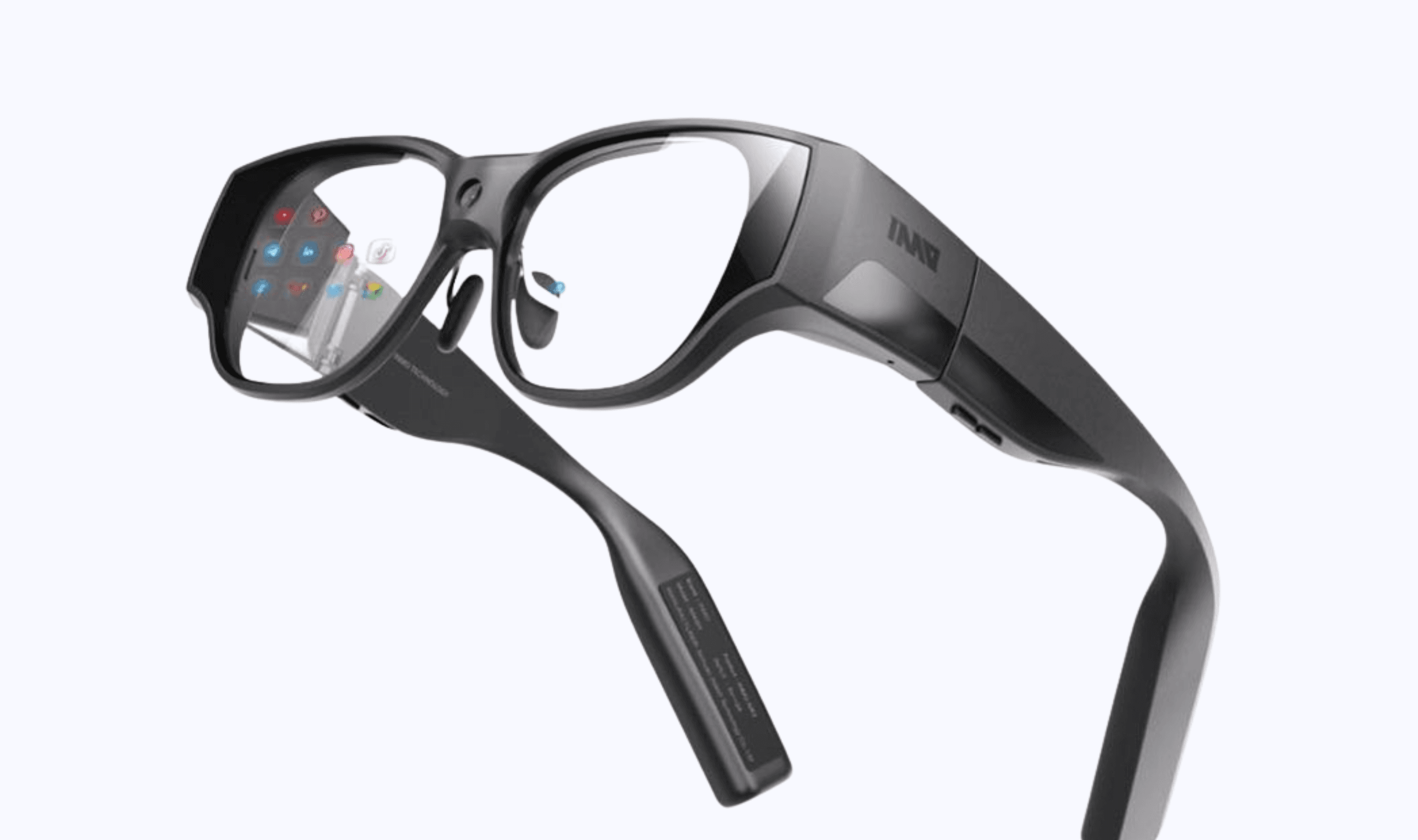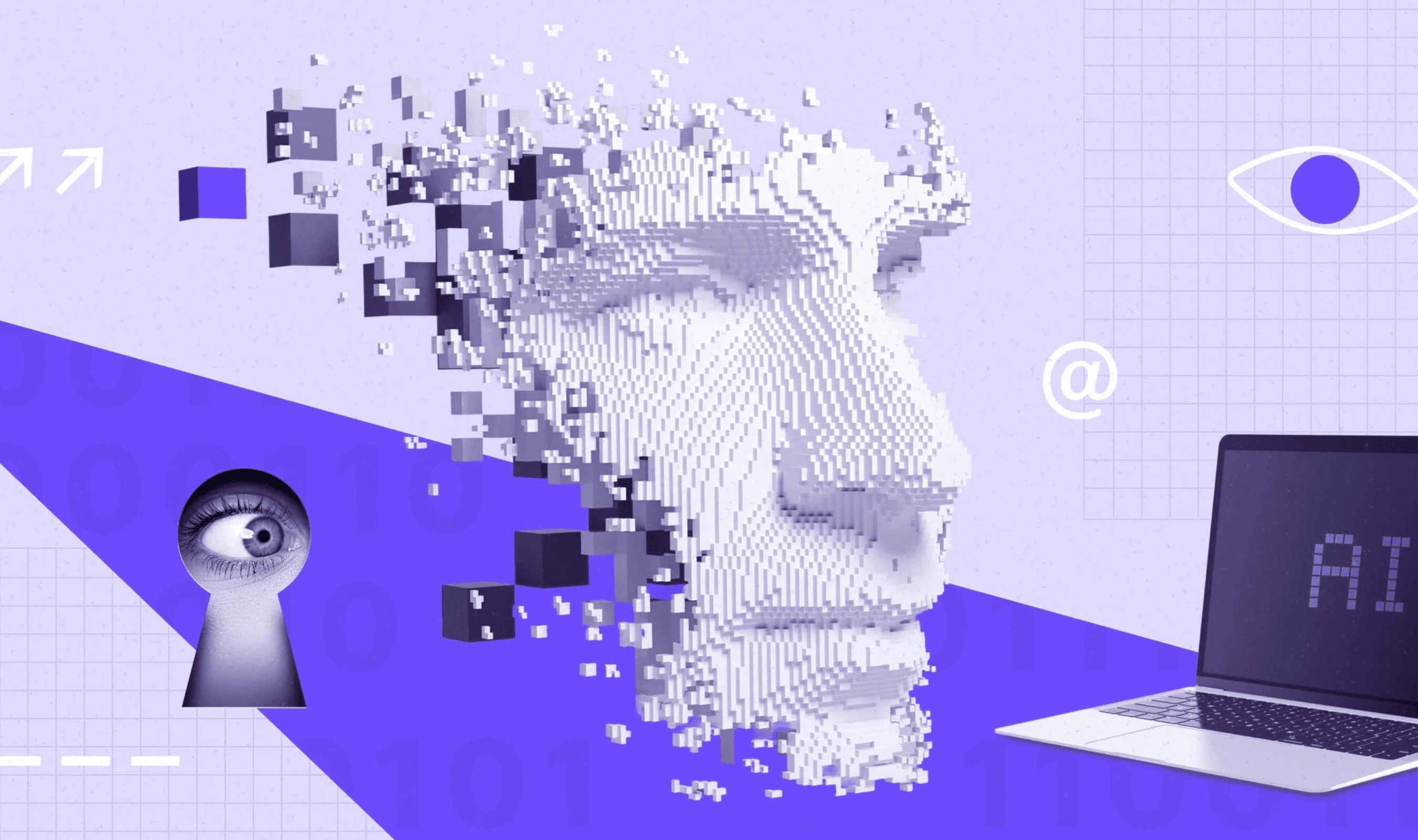

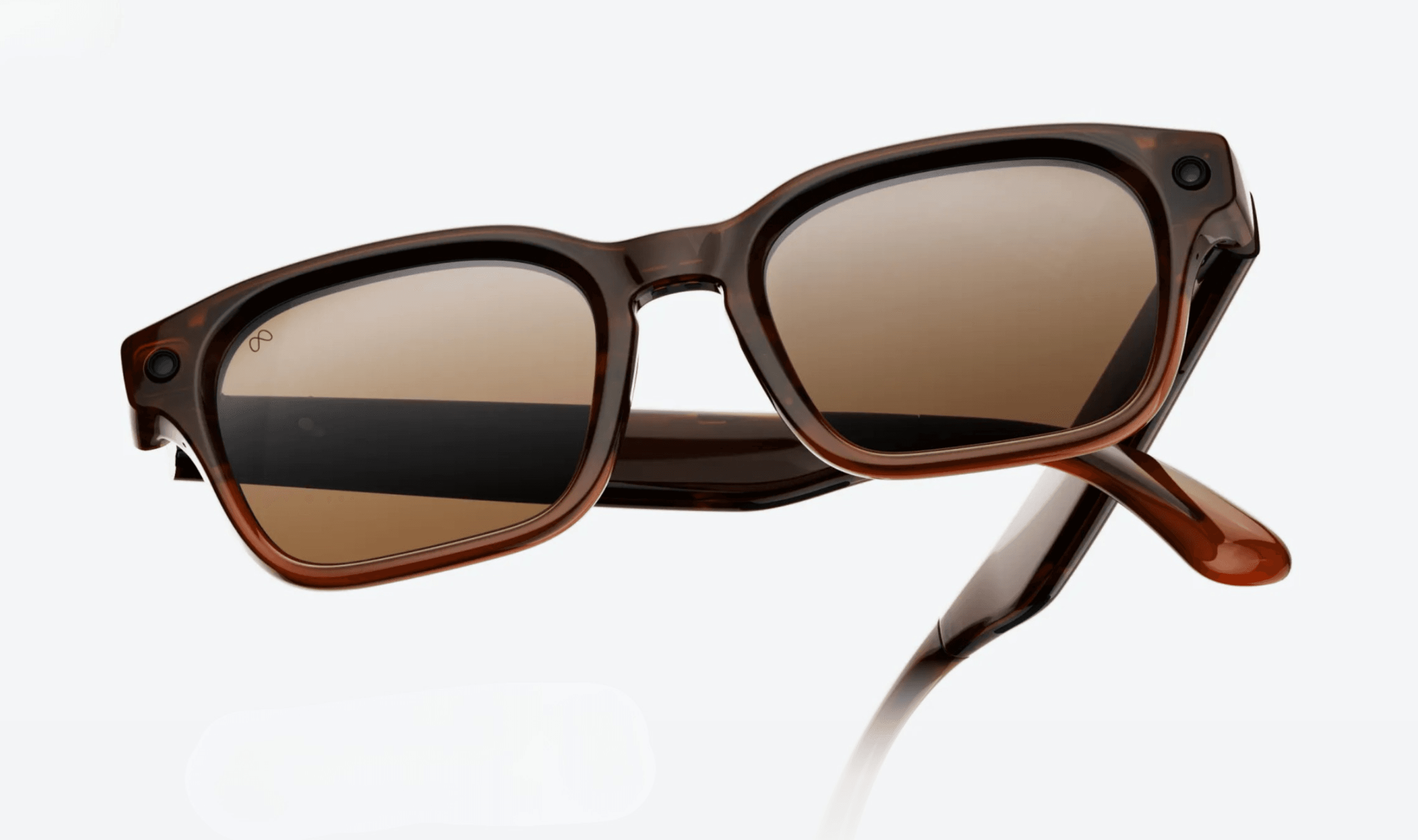
Meta is extending Private Processing, the privacy system it introduced in 2025 for WhatsApp and the Meta AI app, to its AI glasses. The system runs AI models inside confidential virtual machines, or CVMs, and Meta says it cannot reach the data inside them. That covers streaming transcription, contextual search, and long-term recall, workloads Meta says are too demanding to run on the glasses themselves. What the announcement does not include is a price, a launch date, an availability region, or any named glasses model, so there is nothing for buyers to act on yet.
The mechanics rest on trusted execution environments, which keep a CVM's memory encrypted under a key held by the chip itself. That key is never handed to the host operating system, the hypervisor, or the operator, and the protection spans both CPUs and GPUs. To anyone with access to the host machine, including administrators, the memory reads as ciphertext. Meta adds two further layers on top: non-targetability, so a request cannot be traced to a specific person, and encrypted storage.
Read more: Meta Extends Ray-Ban Smart Glasses Video Recording from 1 Minute to 3 Minutes
Five engineering requirements underpin the glasses version, and the connection path is where most of them land. The device reaches Meta through a third-party OHTTP relay, with Fastly and Cloudflare named as the options. Tokens are blind-signed anonymous credentials issued on randomized schedules, and the TEE node that handles a request is picked by heuristics that do not identify the user. Before anything is processed, the device demands a hardware-signed certificate through RA-TLS and checks the TEE's binary hashes against a public transparency ledger. If either the vendor certificate or the hash comparison fails, the handshake stops.
Memory that persists is encrypted with keys the user supplies, and the storage engine and query engines both live inside the TEE boundary. Reads never leave that boundary for an external network, and Meta's own infrastructure holds only ciphertext. The device hands over the key later when it needs that memory decrypted. For monitoring, Meta relies on aggregate health signals such as CPU utilization, memory allocation, network latency, and failure rates rather than anything tied to an individual. The threat model is laid out in the Private Processing whitepaper.
The company frames the shift as a step toward devices that stay with users all day. "Personal devices like glasses that understand our context, because they can see what we see, hear what we hear, and interact with us throughout the day, will become our primary computing devices," Mark Zuckerberg said in July 2025.
This lands against a run of privacy questions around Meta's eyewear. A Meta patent described facial recognition glasses that could identify people in frame, and the German group HateAid filed a complaint on August 12. Meta has also been rolling out an update that shuts off the camera permanently on second-generation Ray-Ban Meta, Oakley Meta, and Meta Glasses if the recording light is tampered with. On the subscription side, the free tier of Conversation Focus was capped at three hours a month, while Meta One Premium at $19.99 monthly raises that cap to 15 hours.
Private Processing is described as multi-regional and fault-tolerant, which matters for a feature that has to answer quickly wherever a wearer happens to be. None of that answers the practical questions the announcement leaves open: which glasses will get it, when, and at what cost.