Meta has paused its Horizon OS third-party program, leaving ASUS and Lenovo headset plans in limbo. The company confirmed the strategic shift to Road to VR, stating it will focus on first-party hardware and software development instead.
The decision effectively cancels planned gaming and productivity headsets from ASUS and Lenovo that were announced in 2024. ASUS was developing a performance-focused gaming VR headset, while Lenovo worked on a mixed-reality device for work and entertainment applications.
Meta's spokesperson told Road to VR the company "paused the program to focus on building the world-class first-party hardware and software needed to advance the VR market." The statement leaves open the possibility of revisiting third-party partnerships as the category evolves.
The strategic reversal comes 18 months after Meta announced Horizon OS would open to third-party manufacturers. The operating system rebrand aimed to create an ecosystem beyond Quest devices, allowing partners to build hardware accessing Meta's app and game library.
Google's Android XR platform emerges as the primary beneficiary of Meta's retreat. Android XR already powers Samsung's Galaxy XR headset and XREAL's upcoming Project Aura glasses, with Google reportedly asking Meta to collaborate on the platform before Horizon OS launched.
Third-party manufacturers faced significant challenges competing with Meta's Quest pricing strategy. Industry analysts note Quest headsets sell near cost or at slight losses, with Meta recouping expenses through software sales. ASUS and Lenovo would need higher prices while paying Horizon OS licensing fees.
Meta's internal hardware delays influenced the strategic shift. Reports suggest the company's next major mixed-reality headset may not arrive until 2027, increasing pressure to perfect Horizon OS before expanding to external partners.
The company recently reorganized its metaverse efforts into two divisions: Horizon OS and the Metaverse Product Group. This restructuring aligns with the renewed focus on first-party development amid growing competition from Alphabet's Android XR and Apple's Vision Pro.
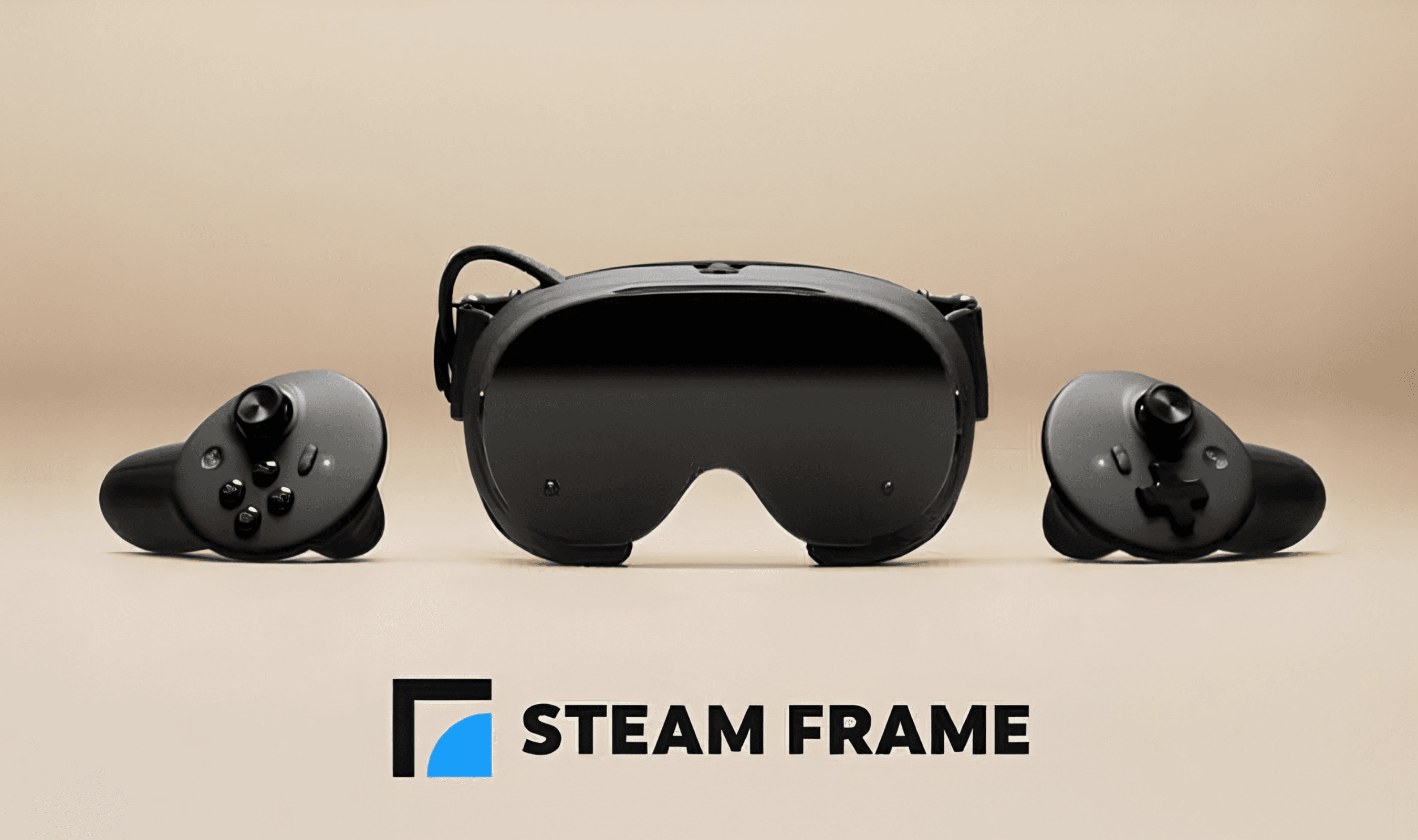
ASUS and Lenovo headset projects remain technically paused rather than canceled. Both companies could potentially shift development to Android XR or Valve's SteamOS platform, which offers more favorable economics for hardware partners.
Meta's strategic retreat reflects broader industry challenges in VR hardware profitability. The company found greater consumer traction with its Ray-Ban smart glasses collaboration, which provides better AI deployment opportunities and mainstream adoption potential.
The Horizon OS pause represents a significant setback for Meta's ecosystem ambitions. The company originally envisioned Horizon OS becoming the Android or Windows of XR, but now faces Android XR establishing that position with Samsung, XREAL, and Gentle Monster as early adopters.