
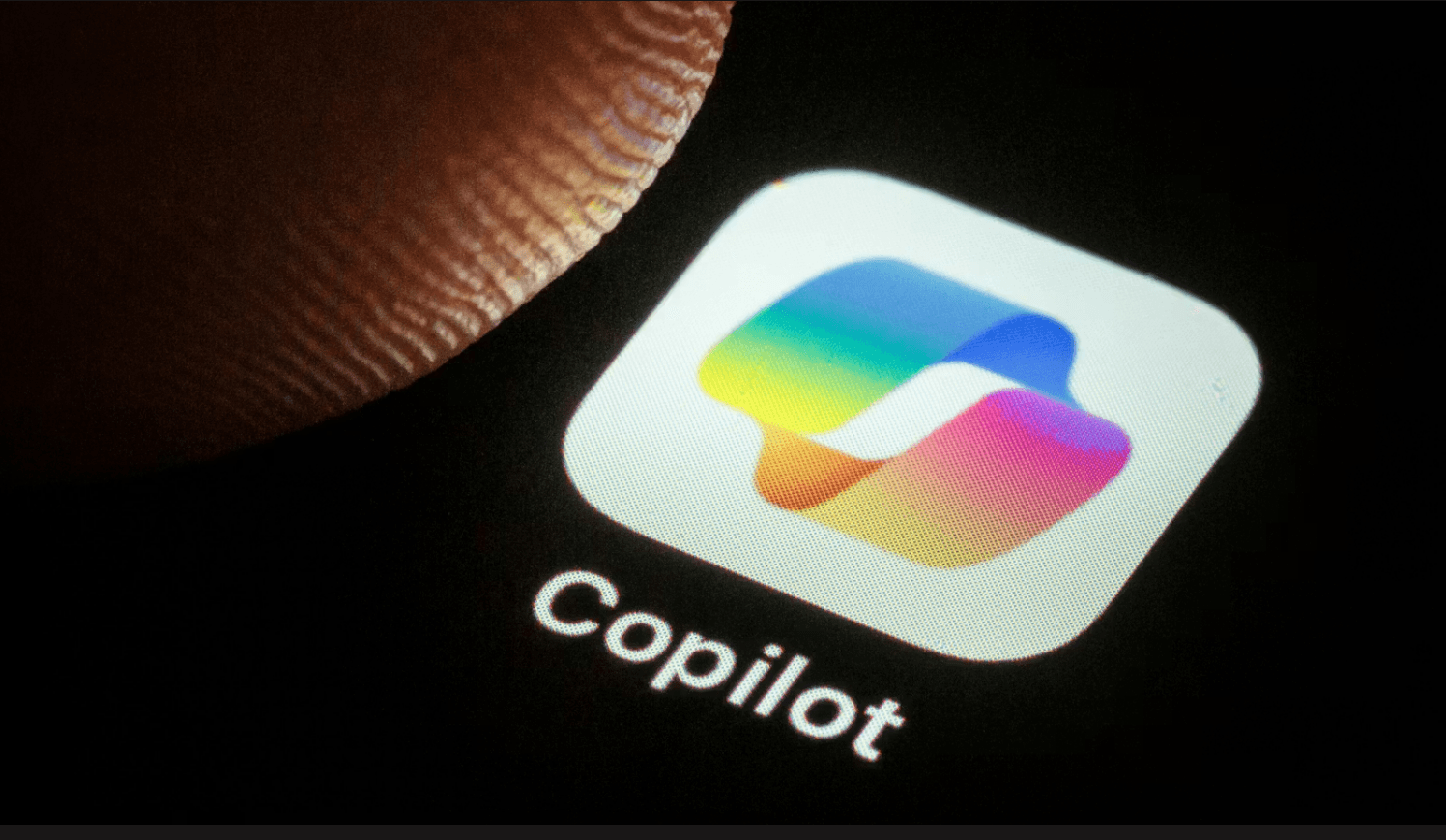
LG TV owners got an unwelcome surprise this month when a webOS update installed an unremovable Microsoft Copilot shortcut on their screens. The forced AI addition sparked immediate outrage, with one Reddit post gathering over 36,000 upvotes and thousands of complaints about tech companies imposing artificial intelligence whether users want it or not.
Here's the thing: LG has now backed down, promising to let users delete the Copilot icon in a future software update. But this temporary victory masks a much bigger problem - the TV industry's aggressive push to embed AI assistants into every screen, often without clear user consent or meaningful privacy protections.
The controversy started when LG TV owners noticed the Copilot icon appearing alongside their streaming apps after a recent webOS platform update. Unlike normal applications, this shortcut couldn't be removed - users could only hide it from their home screens. An LG spokesperson clarified to The Verge that it wasn't actually an installed app, but rather a shortcut to a web-based Copilot instance that launches in the TV's built-in browser. Still, the forced inclusion felt like classic bloatware tactics.
Privacy concerns quickly emerged as users questioned whether Copilot was activating their TV's microphone without permission. LG responded that microphone access requires "the customer's explicit consent," but the damage was already done. The company's initial justification - that the shortcut was meant to "enhance customer accessibility and convenience" - rang hollow to consumers who never asked for AI assistance on their televisions.
What's really happening here is part of Microsoft's broader, reportedly panicked strategy to push Copilot everywhere. According to reports from The Information, Microsoft has actually slashed growth targets for its AI efforts due to low user demand. Yet the company continues forcing Copilot onto devices, from Windows PCs to gaming consoles and now smart TVs. It's a familiar pattern - remember when Microsoft shoved Edge down users' throats?
The TV industry sees AI as the next revenue frontier. LG confirmed at CES earlier this year that Copilot would come to its 2025 OLED lineup, but didn't mention it would be forced onto existing models. Samsung has included Copilot on its 2025 TVs since August, while Google's Gemini AI is rolling out to TCL and Sony sets. Amazon is exploring chatbots for Fire TVs with Alexa+. Everyone wants a piece of the AI pie, but they're baking it with user tracking and ads as the main ingredients.
Here's where it gets concerning: smart TVs already push boundaries with user tracking, often without clear consent. Adding AI chatbots creates another layer of complexity in privacy policies and terms of service. Users now have to navigate both the TV manufacturer's rules and third-party AI company policies, making it nearly impossible to understand what data they're sharing. Texas has already sued major TV makers alleging smart TVs spy on users without consent - adding AI only complicates this landscape.
Microsoft's own AI leadership acknowledges challenges. AI CEO Mustafa Suleyman recently admitted that Google's Gemini 3 "can do things that Copilot can't do," highlighting the competitive pressure. Internal reports suggest Copilot adoption remains stuck around 14% in some sectors, with failure rates in agentic AI tasks hovering near 70%. Salesforce CEO Marc Benioff has criticized Copilot for accuracy issues and data handling problems, while Gartner reports have cited data spills and cleanup burdens.
The bigger picture? TV manufacturers are shifting toward monetizing software through user tracking and advertising. Unwanted fluff like games, shopping shortcuts, and flashy ads already disrupt the viewing experience. AI chatbots represent the latest layer of bloatware, dressed up as innovation but serving corporate interests first.
LG's promise to let users delete the Copilot shortcut is a small win for consumer choice, but it doesn't address the fundamental issue. The TV industry is racing to integrate AI whether users want it or not, prioritizing potential profits over genuine utility. As one Reddit user perfectly summarized: "The strategy seems to be 'we're putting it in absolutely everything whether you like it or not.'"
For now, if you own an LG TV, you'll eventually be able to remove that Copilot icon. But the battle over AI in our living rooms is just beginning. The real question isn't whether we can delete shortcuts - it's whether we'll have any control over what AI does with our data, our privacy, and our viewing habits in the smart TV future that's already arriving.