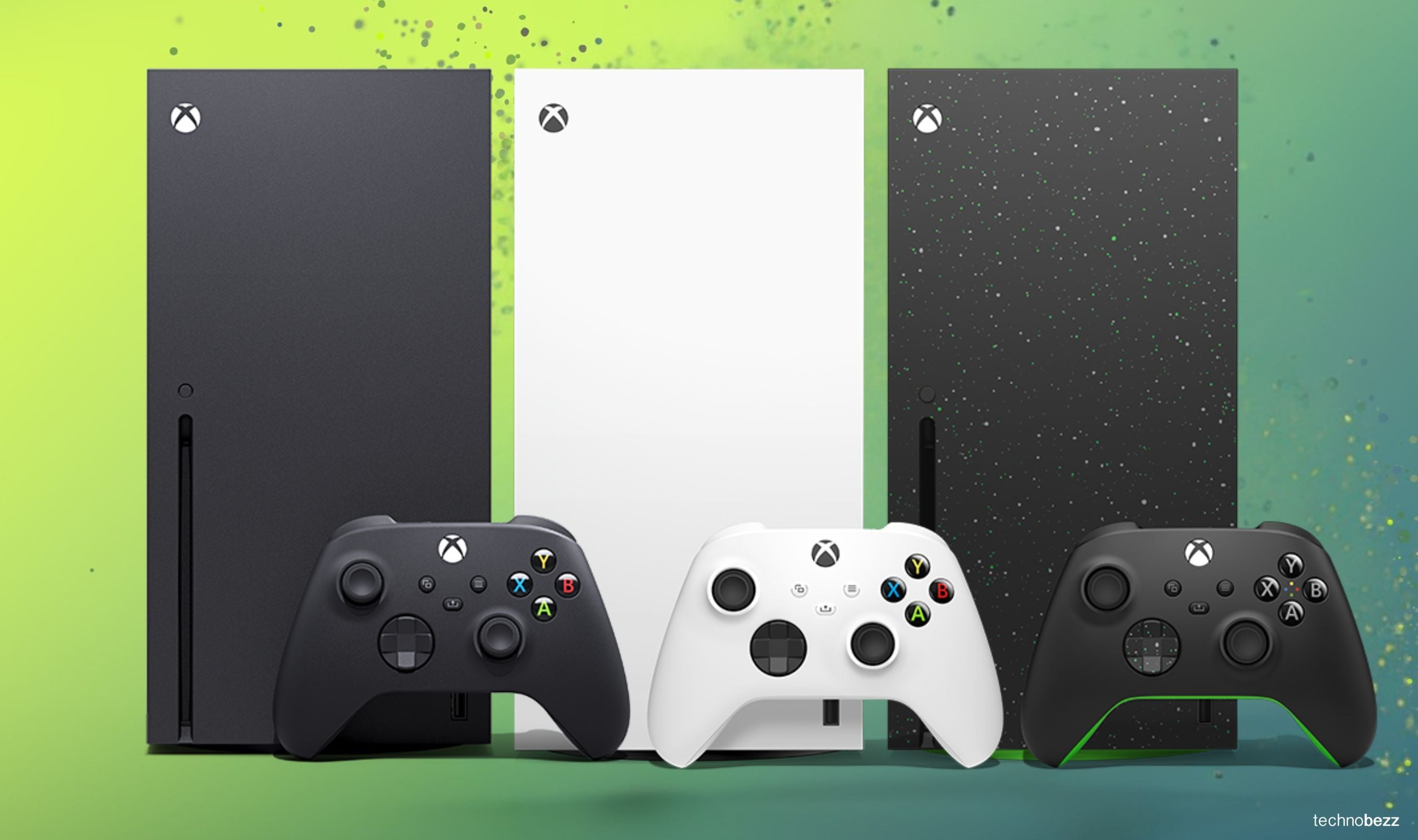
Microsoft's next-generation Xbox console represents one of the most ambitious hardware projects in gaming history. Xbox President Sarah Bond has promised "the largest technical leap you've ever seen in a hardware generation." However, challenges in the global hardware market, including rising RAM costs driven by AI demand, have added uncertainty to the console's timeline and pricing.
Here's everything we know about Microsoft's premium gaming platform that aims to bridge the gap between console and PC gaming.
Quick Specs at a Glance
| Release Date | Targeting 2027 (confirmed by AMD), potentially late 2027 or 2028 |
| Price | $800-$1200 (rumored), potentially higher due to RAM shortages |
| Chipset | Custom AMD semi-custom SoC (codenamed "Magnus"), Zen 6 CPU + RDNA 5 GPU |
| Platform | Full Windows with TV-optimized console interface |
| Store Support | Xbox Store, Steam, Epic Games Store, GOG |
| Positioning | Premium successor to Xbox Series X |
| Key Features | PC-console hybrid, largest technical leap in Xbox history, curated premium experience |
Release Date and Availability
Microsoft's next-generation Xbox console has been targeting a 2027 release, with the system reportedly "fully greenlit" by Microsoft CEO Satya Nadella. This timeline follows the traditional seven-year console cycle, with the Xbox Series X having launched in November 2020.
That timeline received a major boost on February 4, 2026, when AMD CEO Lisa Su confirmed during the company's Q4 2025 earnings call that development of the next-gen Xbox featuring an AMD semi-custom SoC is "progressing well to support a launch in 2027." This marks the most concrete timeline confirmation yet from a key hardware partner.
However, the road to 2027 is not without obstacles. RAM shortages driven by high demand from AI development companies have created significant challenges for console production timelines.
These shortages have led to discussions about potentially delaying the console beyond the original window, or raising prices to compensate for higher component costs.
Xbox President Sarah Bond stated in October 2025 that the company is "actively investing in our future first-party consoles and devices." Windows Central's Jez Corden has also reported that the next Xbox is "dropping in late 2027 at the earliest."
The final decision on whether to proceed with the original timeline, increase prices to cover higher component costs, or push the launch to 2028 will likely depend on how the memory market evolves throughout 2026 and 2027.
Design and Platform Philosophy
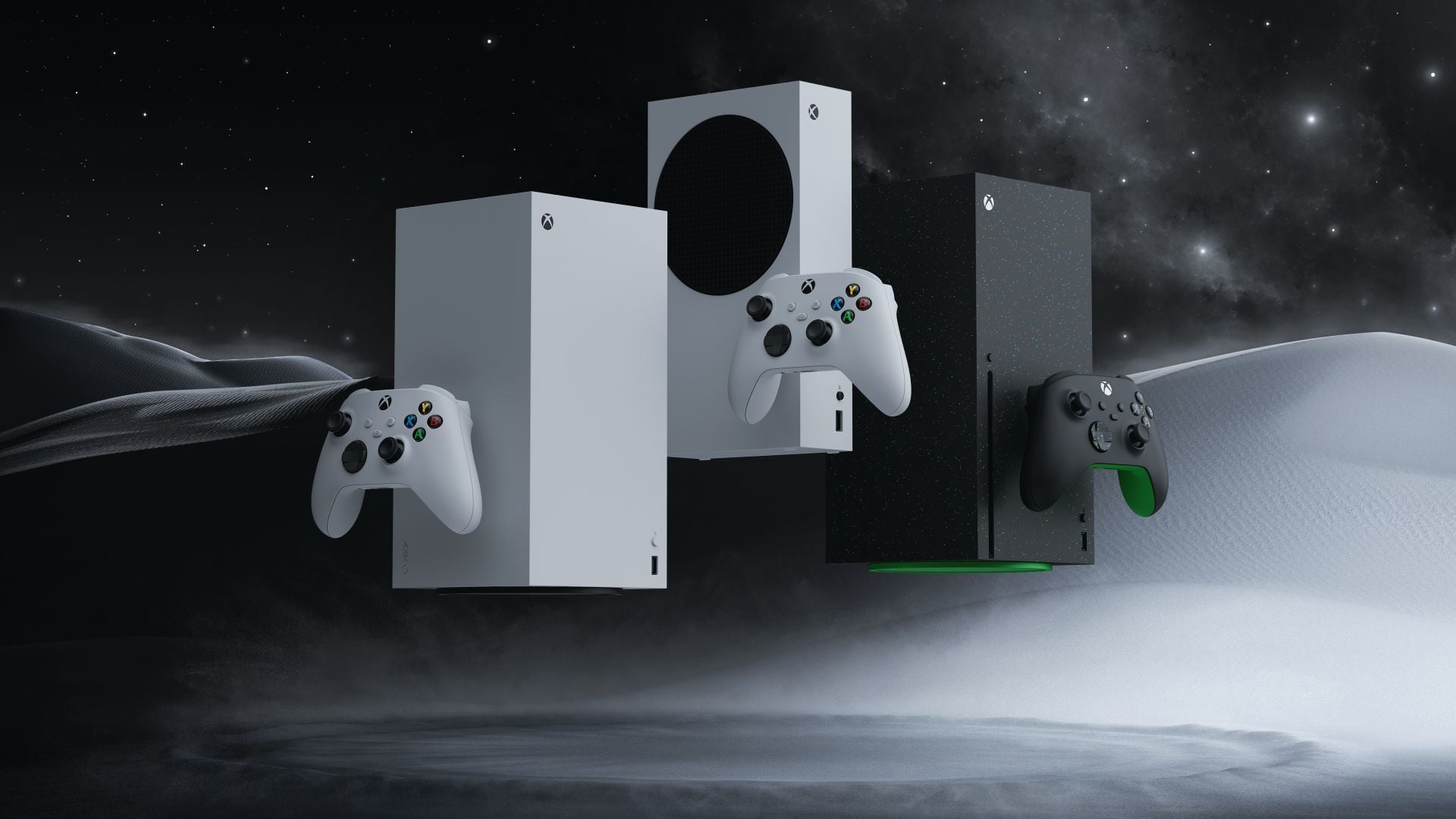
The most significant departure for Microsoft's next-generation console is its fundamental platform architecture.
Reports indicate the next Xbox "will indeed run full-bore Windows, with a TV-optimized, console-style experience layered on top." This represents a radical shift from traditional console design, effectively creating a hybrid device that bridges the gap between dedicated gaming consoles and Windows gaming PCs.
Xbox President Sarah Bond confirmed this direction in her October 2025 interview with Mashable, describing the next-gen console as "going to be a very premium, very high-end curated experience."
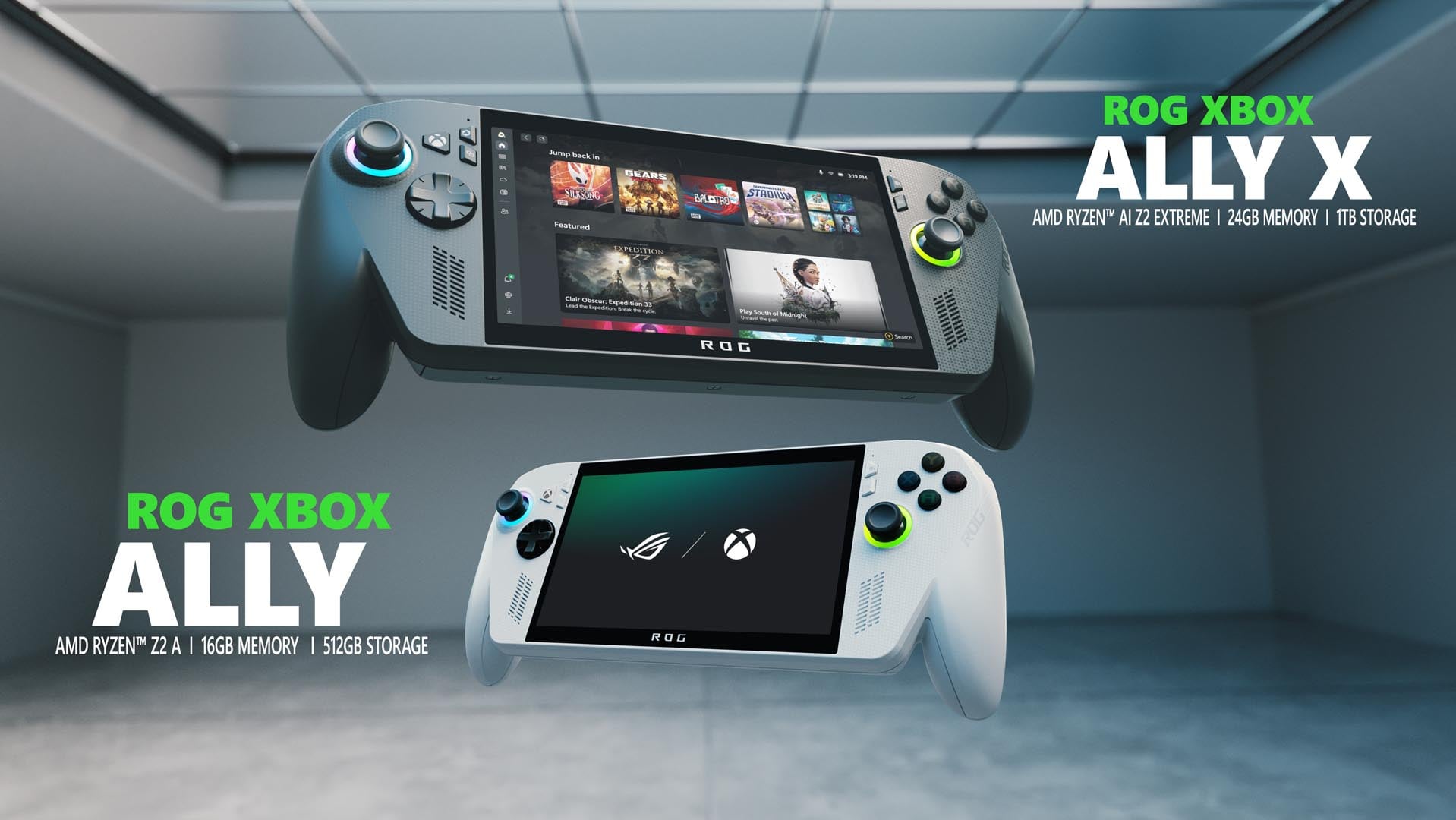
The design philosophy appears to be influenced by the success of devices like the ROG Xbox Ally, which Bond cited as showing "the overall direction Xbox is heading." Windows Central's Jez Corden has further corroborated this, reporting that the next Xbox is "essentially going to be a full Windows PC" with a "controller-first interface."
This approach would allow Microsoft to leverage the entire Windows gaming ecosystem while maintaining the curated, living-room-friendly experience that console gamers expect.
AMD Partnership and Technical Specifications
In June 2025, Microsoft officially announced a strategic, multi-year partnership with AMD to co-engineer silicon across a portfolio of devices, including future first-party consoles, handhelds, and cloud infrastructure. AMD has powered Microsoft's last two console generations, including both the Xbox One and Xbox Series consoles.
While Microsoft has not officially revealed hardware specifications, the console's custom AMD chip, reportedly codenamed "Magnus," has been the subject of multiple leaks.
The APU is expected to feature a Zen 6-based CPU alongside an RDNA 5 GPU, representing a generational leap over the current Zen 2/RDNA 2 architecture used in the Xbox Series X.
Microsoft has been unusually vocal about its performance ambitions, teasing that the next-gen Xbox would deliver "the largest technical leap you've ever seen in a hardware generation." The hardware could rival high-end gaming PCs, and the move to a full Windows platform suggests Microsoft is aiming for greater parity between PC and console gaming experiences.
This could enable features previously limited to PC gaming, such as broader mod support, more flexible storage options, and access to a wider range of gaming services and platforms.
Software and Ecosystem Integration
The shift to a Windows-based platform fundamentally changes the software ecosystem for the next Xbox. The console is expected to support third-party storefronts including Steam, the Epic Games Store, and GOG, in addition to Microsoft's own Xbox Store.
This open ecosystem approach aligns with Microsoft's broader gaming strategy, which has increasingly focused on accessibility across platforms rather than walled-garden exclusivity.
In her October 2025 Mashable interview, Bond called the concept of platform-exclusive games "antiquated," noting that "the biggest games in the world are available everywhere."
The TV-optimized interface layered over Windows will be crucial to maintaining the console experience that living room gamers expect.
This interface will need to provide seamless navigation, quick access to games and media, and integration with services like Xbox Game Pass while still allowing access to the full Windows desktop when desired.
Price and Market Positioning
Pricing represents one of the biggest uncertainties surrounding the next-generation Xbox. The console was already expected to cost between $800 and $1,200 due to its premium hardware specifications and hybrid PC-console design.
However, the ongoing RAM shortages and price increases could push this even higher. Some speculation has placed the console at $1,500 or more, which would position it closer to a premium gaming PC than a traditional console. This would be a dramatic departure from typical console pricing, which has historically targeted the $400-$600 range at launch.
Microsoft faces a difficult decision here. The company must choose between absorbing the increased component costs (and taking a larger loss per unit), passing them on to consumers through higher prices, or delaying the console until memory prices stabilize.
Each option carries significant risks in a competitive market where Sony's PlayStation 6 is expected within a similar window, though recent reports from analyst David Gibson at MST International suggest Sony may delay the PS6 to 2028 or even 2029, potentially giving Microsoft an early market advantage.
Challenges and Market Context
The next-generation Xbox arrives at a challenging time for the gaming hardware market.
The RAM shortages affecting the console's development are part of a broader trend where AI development companies are consuming memory components at unprecedented rates to build out their datacenters. Some estimates suggest that up to 40% of global DRAM output is being allocated to AI contracts alone.
These shortages have already impacted the broader PC gaming market, with many gamers reporting difficulties upgrading their systems due to high memory prices.
The situation has also led to multiple price increases for current-generation Xbox consoles. Microsoft raised prices twice in 2025, with the Xbox Series X now priced at $599.99 in the US. Xbox hardware revenue has suffered as a result, falling 32% year-over-year in the most recent quarterly report (Q2 FY2026, ending December 2025), with overall gaming revenue declining 9%.
Microsoft must also navigate changing consumer expectations around gaming platforms. With Xbox Game Pass available on multiple devices and Microsoft increasingly focusing on cloud gaming, the value proposition of a premium dedicated console requires careful positioning.
The competitive landscape has also shifted significantly. The Nintendo Switch 2, which launched in June 2025 to record-breaking sales, has further proven the appeal of hybrid gaming devices.
Valve's upcoming Steam Machine, a living room PC running SteamOS and still on track for an early 2026 release, will also compete for the same audience of gamers seeking a console-like PC experience in the living room.
Should You Wait or Buy Now?
For current Xbox Series X|S owners considering an upgrade, the decision depends largely on your gaming priorities and budget.
The next-generation Xbox promises to be a fundamentally different type of device, more of a premium living room PC than a traditional console, which may appeal to enthusiasts seeking the ultimate hybrid gaming experience.
However, with potential delays pushing the release to late 2027 or 2028 and pricing that could reach $1,200 or more, most gamers may be better served by the current Xbox Series X, especially if found at a discount. The current system still has strong game support and will continue receiving major titles like Fable (autumn 2026) for several more years.
PC gamers considering the console as a living room alternative should wait for more concrete specifications and pricing details. The ability to run full Windows and access Steam could make it an attractive option, but its value will depend on how well Microsoft executes the TV-optimized interface and whether the hardware justifies the premium price.
For those exclusively interested in traditional console gaming, it may be worth monitoring Sony's PlayStation 6 developments as well.
While the PS6 was originally expected around 2027-2028, recent analyst reports suggest it could slip to 2029, which may leave Microsoft's next Xbox as the only next-gen option for a period.
Competition between the two platforms will likely influence final pricing, features, and release timing for both systems.
As we move closer to the 2027 target window, expect more concrete details to emerge about specifications, pricing, and a final release date.
For now, the next-generation Xbox remains one of gaming's most intriguing future products, promising either a revolutionary step forward for console gaming or a cautionary tale about the challenges of premium hardware in a rapidly changing market.