
Konami plans annual Silent Hill releases starting in 2026, aiming to maintain franchise momentum after two successful years. Series producer Motoi Okamoto revealed the strategy to Famitsu, stating the company wants "to keep the buzz around Silent Hill constant."
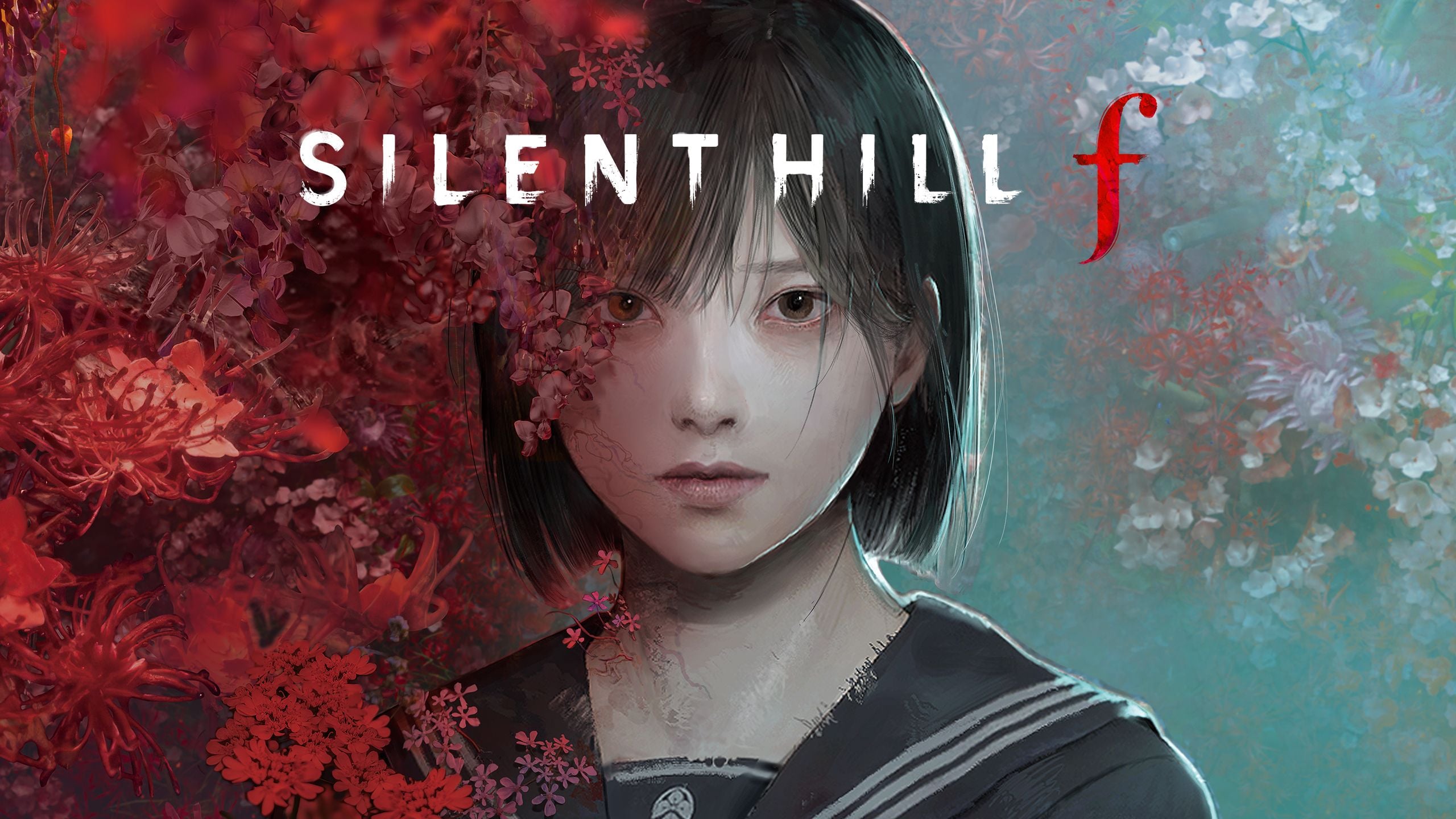
The announcement follows consecutive hits with Silent Hill 2's remake in October 2024 and Silent Hill f in September 2025. Both titles received critical acclaim and strong sales, with Silent Hill f reportedly reaching one million copies faster than its predecessor.
"We aim to release about one title per year, including both announced and unannounced titles," Okamoto told the Japanese publication. "We're not sure how far we can achieve this, but we'll do our best as the producer of the Silent Hill series."
Konami already has two confirmed projects in development that could fulfill the initial years of this plan. Silent Hill: Townfall, developed by Annapurna Interactive and No Code, reportedly targets a March 2026 release according to retail listings. Bloober Team's remake of the original 1999 Silent Hill could follow in 2027.
The annual release strategy marks a dramatic shift for a franchise that spent nearly a decade dormant. Before the 2024 remake, the most recent Silent Hill release was the cancelled P.T. demo in 2014, with the last full game arriving on PlayStation Vita in 2012.
Industry analysts note the risks of annualizing a horror franchise known for atmospheric storytelling. Call of Duty recently announced it will no longer release back-to-back entries in its Modern Warfare or Black Ops sub-franchises following Black Ops 7's negative reception.
Konami's approach involves licensing the IP to multiple external studios rather than maintaining internal development teams. This distributed model allowed for diverse approaches with Silent Hill 2's third-person remake and Silent Hill f's Japanese setting, but introduces coordination challenges.
The company's renewed investment in Silent Hill follows record quarterly profits attributed to the franchise's revival. Konami appears committed to transforming what was once considered a dead property into a sustainable annual revenue stream.
Okamoto emphasized the strategy remains an aspiration rather than a mandate. "Ideally, we'd like to keep the buzz around Silent Hill constant," he said, acknowledging the difficulty of maintaining both quality and frequency across multiple development studios.