
FaZe Clan's creator division collapsed during Christmas week as multiple founding members and top influencers exited the organization. The departures followed six months of failed contract negotiations with new management, according to Bloomberg reports.
Co-founder Yousef "FaZe Apex" Abdelfattah announced his exit after nearly 15 years with the brand. Alexander "FaZe Adapt" Prynkiewicz, Brian "FaZe Rug" Awadis, and Kris "Swagg" Lamberson also confirmed their departures, along with Stable Ronaldo, Jason Nguyen, Nick Fosco, Jerry Woo, and Silky.
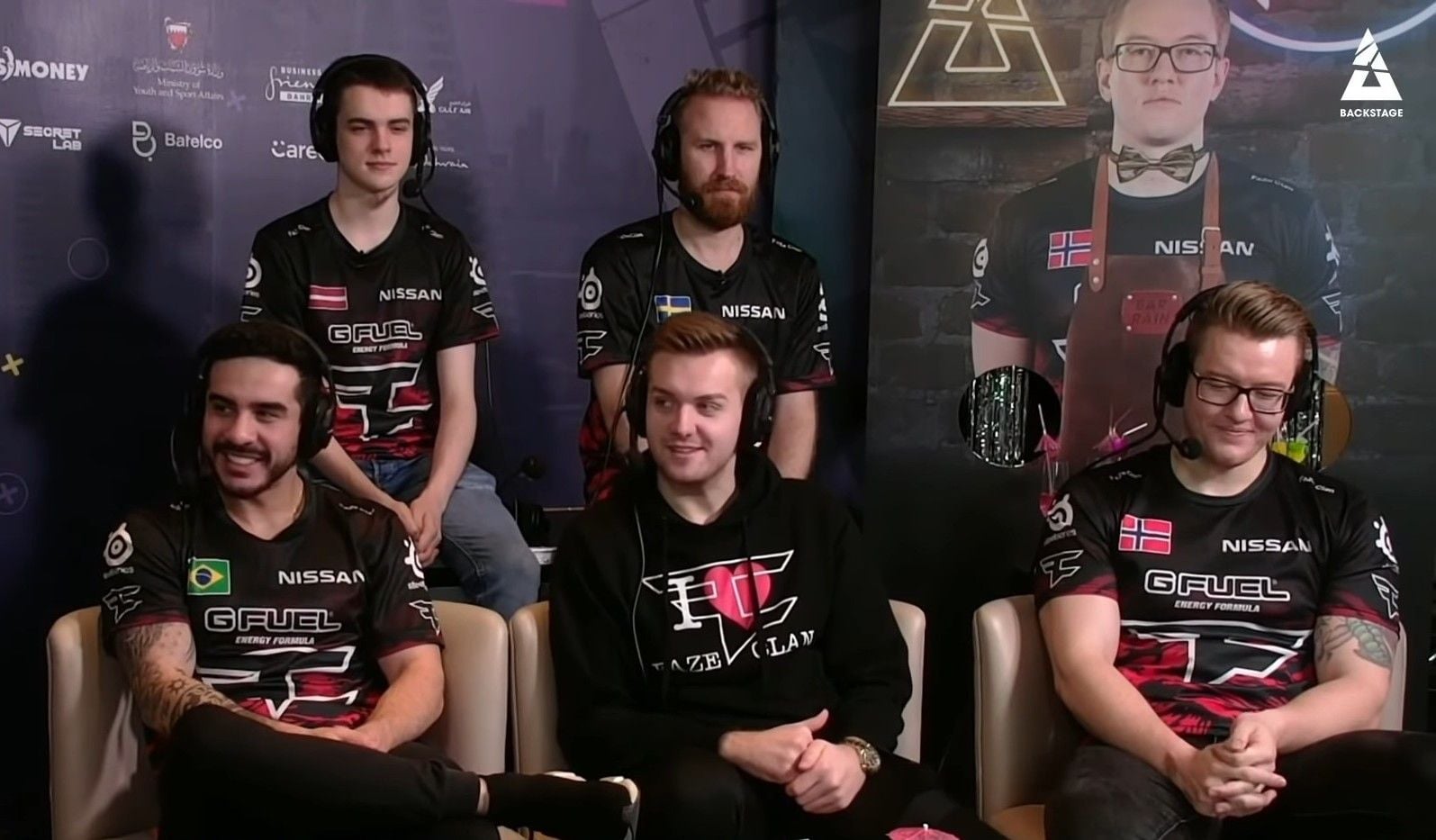
Former FaZe member Kaysan Ghasseminejad assured fans that competitive esports operations remain unaffected. "There's going to be no impact whatsoever at FaZe Esports," he stated during a December 27 Twitch stream. "The CS team is fine. Our Call of Duty team is fine."
Kaysan explained the organizational split: GameSquare acquired FaZe in 2024, then formed FaZe Media as a separate subsidiary with a $11 million investment from Matt Kalish, who took a 49% stake. FaZe Esports remains under GameSquare control, operating separately from the content creator arm.
The exodus began during a Christmas Day "FaZemas" livestream when multiple creators announced their exits live. Plaqueboymax, who left earlier in August, described feeling like "puppets" with "no control" over their content during a Thursday stream.
Financial pressures drove the restructuring. FaZe Clan went public in 2022 through a SPAC merger valuing the company at $725 million, but shares collapsed to penny stock status within two years. GameSquare acquired the struggling organization for $17 million in March 2024.
Investor Matt Kalish told Bloomberg that FaZe's financial structure was "unsustainable." He reportedly invested $10 million over 18 months and offered creators new contracts through his HardScope platform or independence. Negotiations lasted six months before collapsing last week.
Former CEO Richard "Banks" Bengston pushed back against allegations of mistreatment. He claimed creators received free housing, staff support, and zero percent income sharing. "Their money and platforms all skyrocketed after meeting me," he stated in a video response.
FaZe Clan acknowledged the departures in an emotional X post, calling the situation "heartbreaking" and "beyond tragic." The organization confirmed that esports operations would continue unaffected, with competitive teams becoming the primary focus moving forward.
The creator exodus represents a significant shift for the 15-year-old organization. Founded in 2010 as a Call of Duty trickshot collective, FaZe evolved into a cultural phenomenon with over a billion cumulative followers across platforms before its financial struggles began.
Industry analysts note the departures reflect broader tensions between creator-led culture and corporate governance in esports. Sponsorships accounted for over 80% of FaZe's revenue at its peak, leaving the organization vulnerable when ad markets tightened.
Despite the content creator losses, FaZe maintains competitive rosters in Counter-Strike 2, Call of Duty, Rainbow Six Siege, and Halo. The organization won $3 million at the 2019 Fortnite World Cup and secured partnerships with NFL, Nissan, and Champion during its peak.
Kaysan's reassurance provides stability for competitive gaming fans. "I'm also not going to abandon FaZe Esports," he confirmed. "I'm making that very clear that it's a separate entity." The split allows esports operations to continue while the creator division undergoes restructuring.
The mass exits follow earlier departures in 2025, including Nickmercs in January and Banks' July resignation amid cryptocurrency controversy. FaZe also faced layoffs affecting 20% of its workforce in 2023 as financial losses mounted to $53 million in 2022 and $28 million in the first half of 2023.
Current rumors suggest departing creators may form their own collective, continuing a trend of top talent bypassing traditional esports organizations. Valkyrae hinted at potential new group formations during recent streams, though nothing has been confirmed.
For now, competitive gaming operations continue unaffected. FaZe's CS2 team recently mounted an impressive run at the Budapest Major, while Call of Duty and Rainbow Six Siege teams maintain their competitive schedules. The organization's future now depends on whether it can rebuild its content division or pivot fully to esports.